Booking a hotel room feels simple. You check the reviews, compare prices, and pick a place that looks clean and comfortable. But safety rarely makes the checklist, and that’s exactly when trouble tends to show up.
“Most guests assume a hotel has already secured the basics. Fire exits, working locks, clean water. Unfortunately, that assumption isn’t always true, and the results can range from mildly annoying to genuinely dangerous injuries,” say the attorneys at Hotel Injury law, a firm helping victims handle hotel injury claims.
Below are six hazards that catch travelers off guard almost every time. Knowing them ahead of your next trip can save you a headache, or something far worse.
Fire Escape Routes Nobody Checks
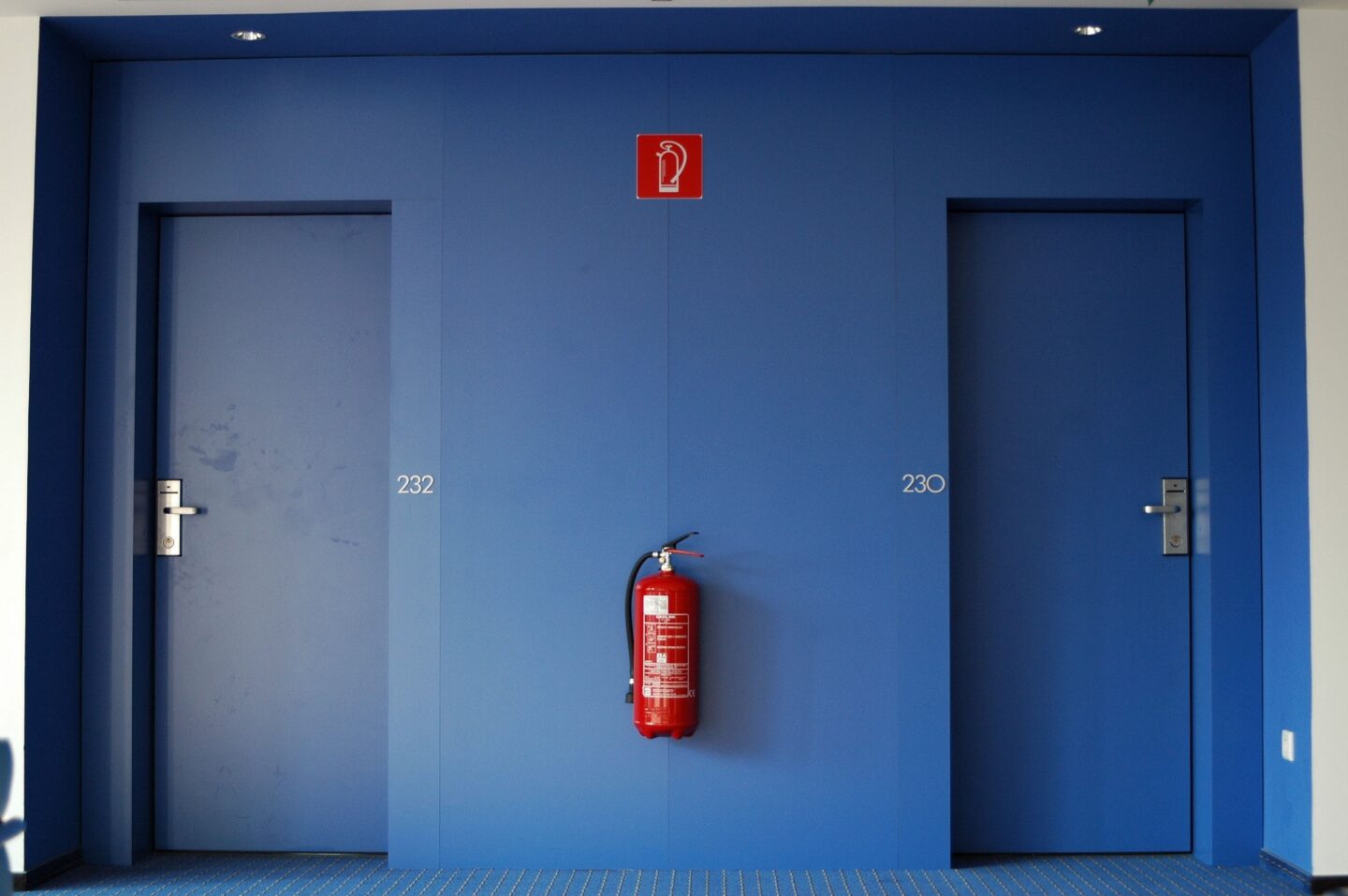
Walking into a hotel room, most guests drop their bags, check the view, and maybe test the bed. Almost nobody looks for the nearest fire exit, even though it could matter more than anything else in the room.
Hotels are required to post evacuation maps, usually behind the door or near the elevator. Yet many guests never glance at them until an alarm is already going off, and by then, confusion wastes precious time.
A smart traveler spends thirty seconds locating the two nearest exits, not just one. Stairwells can get blocked, so having a backup route matters more than people realize until they’re standing in a smoke filled hallway.
Faulty or Missing Smoke Detectors
Smoke detectors seem like a given, but older properties or budget chains sometimes skip proper maintenance. A detector with a dead battery is just as useless as no detector at all.
Testing one takes seconds. Most units have a button you can press to confirm it’s working, and if nothing beeps, that’s worth reporting to the front desk immediately.
Some travelers even bring a small portable smoke alarm for peace of mind, especially when staying somewhere unfamiliar or in an older building. It sounds excessive until you consider how quickly a fire can spread while everyone sleeps.
Balcony and Window Railings That Aren’t Secure
Balconies look great in photos, but not every property keeps up with railing inspections. Rust, loose bolts, and worn hardware are more common than most guests would guess, especially in older buildings near coastal areas.
Parents traveling with curious toddlers should be especially cautious here. A railing that looks sturdy can still shift under pressure, and small children are naturally drawn to climbing and leaning over edges.
Before relaxing on a balcony, give the railing a firm push. It only takes a moment, and it’s a far better use of your time than assuming the hotel already checked it for you.
Sketchy Electrical Setups in Older Rooms
Frayed cords, overloaded outlets, and exposed wiring show up more often in older hotels than travelers expect. These issues rarely get flagged during routine cleaning, since housekeeping staff aren’t trained to spot electrical hazards.
A guest plugging in a laptop charger, hair dryer, and phone charger all at once might not think twice. But older wiring wasn’t built for that kind of load, and overheating outlets have caused more than a few hotel fires over the years.
If an outlet feels warm, sparks when you plug something in, or a cord looks damaged, stop using it. Report it right away instead of working around the problem for the rest of your stay.
Pool and Hot Tub Areas With Weak Supervision
Pools feel like the safest part of a hotel, which is exactly why guests let their guard down. Many properties don’t staff a lifeguard, especially during off peak hours or late at night when the area still stays open.
A couple enjoying a quiet evening swim might assume help is nearby if something goes wrong. In reality, that assistance could be several minutes away, particularly at smaller hotels running with a skeleton night staff.
Chemical levels matter too. Poorly maintained pools can cause skin and eye irritation, and hot tubs are notorious for bacteria buildup when cleaning schedules slip. Checking recent reviews for complaints about water quality is worth the extra minute.
Room Locks and Access Points That Aren’t Secure
A deadbolt and keycard system feels reassuring, but not every lock gets replaced or repaired promptly. Worn keycard readers sometimes let old cards work longer than they should, which is a bigger problem than most travelers consider.
Connecting doors between rooms are another overlooked weak spot. These doors sometimes have flimsy locks on one or both sides, meaning a neighboring guest could technically access your room if the hardware fails.
Staying Alert Without Losing the Fun
None of this means every hotel is dangerous or that travelers should spend their vacation anxious about worst case scenarios. Most trips go smoothly, and most hotels genuinely care about guest safety.
Still, a little awareness goes a long way. Spending a few extra minutes checking exits, testing locks, and glancing at outlets doesn’t take away from the trip. If anything, it lets you relax more, knowing you’ve covered the basics yourself instead of assuming someone else already did.
Travel is supposed to be about new experiences, good food, and making memories with the people you care about. Taking a few precautions simply protects that experience, so nothing unexpected gets in the way of the trip you were looking forward to.
Final Thoughts
Next time you check into a hotel, take a moment before you unpack. Walk the room, test the essentials, and trust your instincts. It’s a small habit that can make a real difference when it matters most.
Thank you for reading.