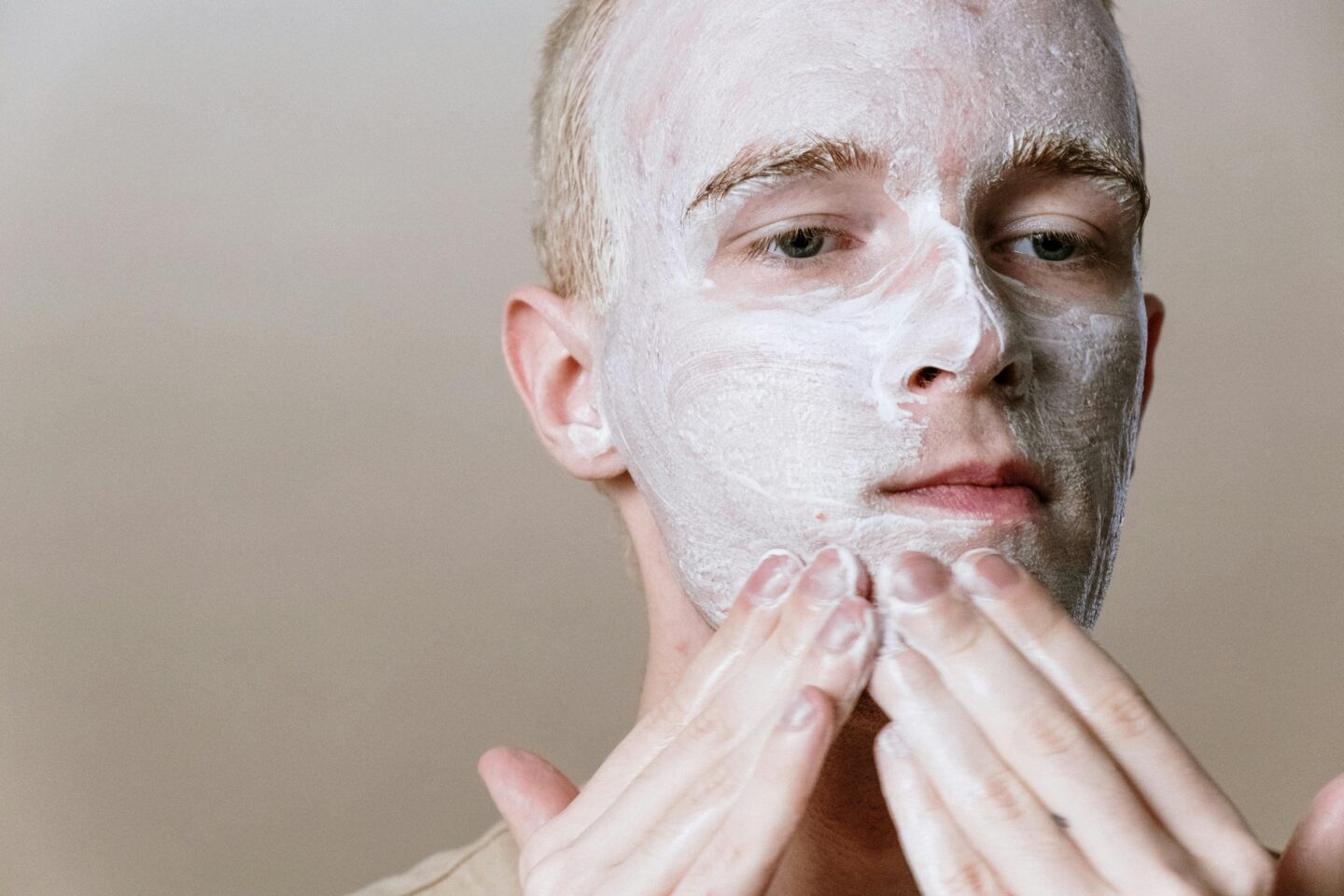
When the body goes through significant hormonal changes, the condition of the skin can rapidly deteriorate. It’s largely for this reason that teenagers, since time immemorial, have been having to contend with acne and related problems.
Understanding the Link Between Hormones and Acne
Acne is a result of blocked hair follicles. Attached to each follicle is a tiny gland, known as the sebaceous gland, whose job is to lubricate the hair and keep it shiny. But when too much sebum is produced, the follicle can become plugged. The surrounding bacteria will then descend on the resulting mess, causing the pustules and pimples we recognise as acne.
So why is too much sebum produced? Because of a miscommunication. The follicle has gotten the wrong message, and so acted inappropriately. In the body, hormones are used to transmit messages – and so any hormone imbalance will cause problems of this kind. In the case of the sebaceous glands, a key hormone is testosterone – production of which tends to go into overdrive as we go through puberty.
Recognising the Impact of Acne on Mental Well-being
Having acne doesn’t feel great. You might feel self-conscious or ugly. After all, pustules and cysts are rarely pleasant to look at. The fact that these symptoms can often persist well into adulthood, or leave permanent scarring, might make things even more stressful. Add to this the emotional upheaval that comes with being a teenager, and you have a recipe for misery.
On the other hand, it’s important not to catastrophise the effects of acne, or to suppose that these symptoms are unique to any one sufferer. In other words, if you have acne, then you’re in the same boat as millions of other people. Taking a step back and accepting yourself might therefore be critical. The same might be said of finding a skincare regimen that works for you.
Establishing an Effective Skincare Routine for Teens
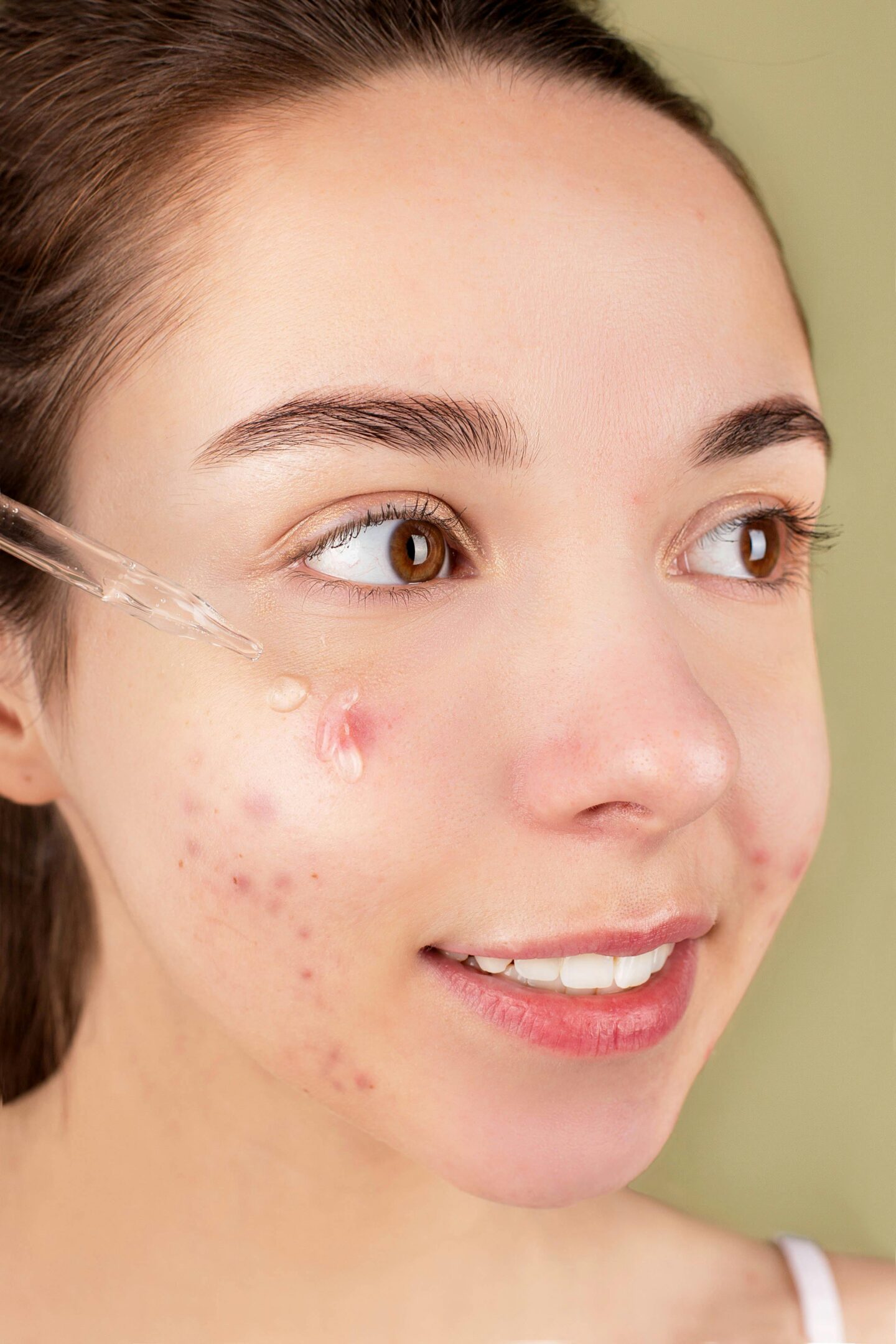
So, what’s the best way for teens to look after their skin? The products that work will tend to vary from person to person. Don’t feel tempted to opt for the most expensive products by default. Instead, experiment, and take the time to document the effects of your chosen routine.
The fundamentals of skincare apply. Make sure that you cleanse your skin, and that you moisturise it. Avoid comedogenic products – these are the ones that act to block the pores, which can actually cause acne.
Many products are formulated with skincare for teens in mind. These are the products you should start your journey with.
Exploring Treatment Options for Hormonal Acne
There are also medical options to consider. Your doctor might be able to recommend a treatment that works, or refer you to a dermatologist. Oral contraceptives and anti-androgen substances like co-cyprindiol might be effective – but it’s worth talking through the potential side effects, which can include depression and weight gain in a minority of users.
When to Seek Professional Dermatological Advice
In some cases, acne can be so severe and debilitating that you might have no choice but to seek the advice of a dermatologist. This road might lead to laser treatment and other forms of surgery, as well as more powerful drugs. This is an option to be pursued, in most cases, only when everything else has been tried. For most teenagers, the symptoms are there to be managed until they go away on their own.
Thank you for reading.








This article really nails it! I remember my acne flare-ups during puberty. It’s so true that hormones play a huge role. But finding the right skincare routine was key. Any tips for dealing with stubborn acne scars?