
Acne scars can feel like stubborn reminders of the past, lingering even after breakouts have healed. For many, these marks affect not only their appearance but also their confidence. Fortunately, modern aesthetic advancements have transformed how acne scars are treated, offering effective and personalized solutions that restore both skin smoothness and self-assurance.
Aesthetic specialists today focus on comprehensive care that goes beyond surface treatments. By combining technology, science, and tailored care plans, patients can now achieve significant improvements in texture, tone, and overall radiance. The path to clearer skin starts with understanding the nature of acne scars and exploring the professional options available for long-term results.
Understanding Acne Scars and Their Formation
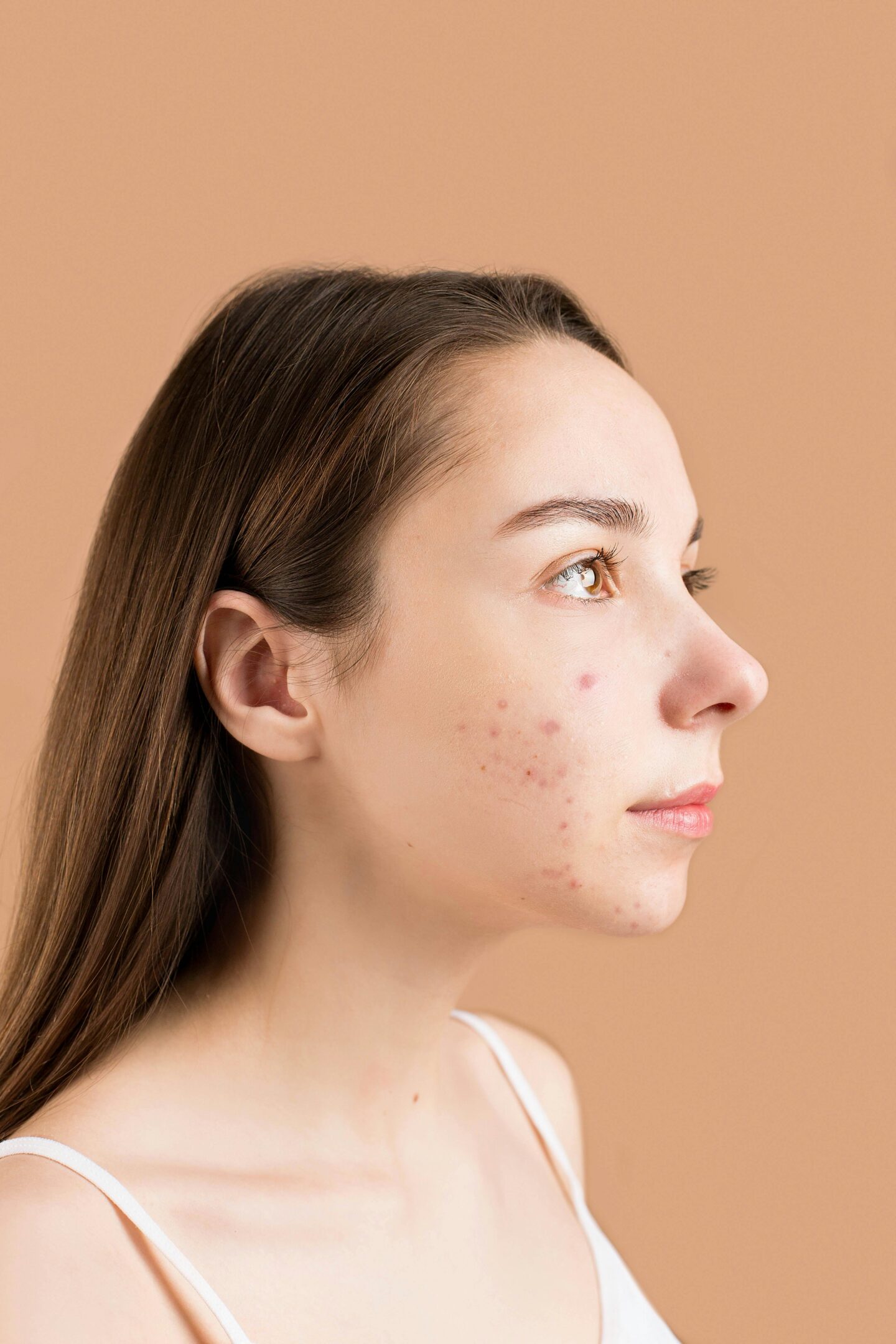
Acne scars form when inflammation damages the skin tissue during the healing process of a breakout. When the body produces too little collagen, the result is an indented or atrophic scar. When it produces too much, raised or hypertrophic scars can appear. This imbalance leads to uneven texture and lasting marks that do not fade easily on their own.
To address these scars effectively, it is essential to treat both the visible surface and the deeper skin layers. Clinics offering the best acne scar treatment Singapore patients rely on use a variety of techniques designed to stimulate natural collagen production, smooth irregularities, and restore a balanced complexion. These advanced methods aim not only to heal but also to rejuvenate the skin from within.
Types of Acne Scars
Acne scars are not all the same, and identifying the type helps determine the most effective treatment.
Atrophic scars are indentations caused by collagen loss during healing. They can be divided into three main types:
- Ice pick scars: deep, narrow punctures that extend into the dermis.
- Boxcar scars: broad depressions with sharp edges, often seen on the cheeks and temples.
- Rolling scars: shallow, wave-like indentations that give the skin an uneven texture.
Hypertrophic scars, on the other hand, are raised bumps formed by excess collagen during the healing process. These are more common on the chest, jawline, or shoulders.
Lastly, post-inflammatory hyperpigmentation (PIH) refers to flat, dark marks that remain after acne has healed. Though not true scars, they can make the skin appear blotchy and uneven.
Each type requires a specific treatment approach to achieve optimal improvement.
Professional Treatments for Acne Scars
Modern aesthetic treatments offer multiple methods for correcting acne scars. Each technique targets a different layer of the skin and stimulates natural repair mechanisms.
Laser Resurfacing
Laser treatments are among the most effective solutions for acne scars. They work by delivering concentrated light energy to the skin, removing damaged tissue and encouraging new collagen formation. Fractional CO2 and erbium lasers are often used for deeper scars, while gentler pico or fractional lasers address surface irregularities.
Laser resurfacing not only smooths the skin but also improves overall tone and elasticity. The results develop gradually as new collagen builds, giving the skin a firmer, more refined look over time.
Microneedling
Microneedling creates tiny, controlled injuries in the skin using fine needles. These micro-channels trigger the body’s natural healing response, leading to collagen and elastin production. When combined with radiofrequency (RF), microneedling becomes even more powerful, delivering heat energy deep into the skin for greater tightening and scar reduction.
This method works well for rolling and boxcar scars and is suitable for most skin types with minimal downtime.
Subcision
Subcision is a minimally invasive procedure that targets depressed scars tethered by fibrous tissue. Using a fine needle, the practitioner releases the bands beneath the scar, allowing the skin to rise and become smoother. This procedure is often combined with dermal fillers or laser treatments to enhance results and promote long-term healing.
Chemical Peels
Chemical peels exfoliate the outer layers of the skin using controlled acid solutions, such as glycolic or trichloroacetic acid (TCA). This process removes dead cells, stimulates regeneration, and helps fade post-inflammatory hyperpigmentation. Medium to deep peels are particularly effective for uneven tone and shallow scarring.
Dermal Fillers
For deeper indentations, dermal fillers made of hyaluronic acid can temporarily restore lost volume and smooth out the skin’s surface. These fillers provide instant results, while also stimulating collagen production for long-term improvement.
Regenerative Therapies
Platelet-rich plasma (PRP) and growth factor treatments use the body’s own healing mechanisms to accelerate tissue repair. These are often combined with microneedling or laser therapies to boost results and enhance recovery.
Combination Treatments: The Key to Lasting Results
No single treatment can effectively address all types of acne scars. The most successful results often come from combination therapy, where multiple treatments are used in sequence to target different layers of the skin.
For instance, a patient might start with subcision to release deep scars, followed by laser resurfacing to smooth the texture and chemical peels to even out pigmentation. This comprehensive approach ensures visible, long-term improvement with each session building upon the last.
What to Expect During and After Treatment
Acne scar treatments are typically performed in a clinic setting and vary in duration depending on the method used. Mild redness or swelling may occur after the procedure, but these side effects generally subside within a few days.
Patients are advised to avoid direct sunlight, use gentle skincare products, and apply sunscreen daily to protect the healing skin. Most treatments show noticeable results within a few weeks, with further improvement continuing as collagen production increases.
Consistency is crucial. Regular follow-up sessions, as recommended by the dermatologist or aesthetic specialist, help maximize long-term benefits.
Why Professional Care Matters
While over-the-counter creams may help with minor marks, they cannot effectively treat deep or complex scars. Professional treatments are designed to reach the deeper layers of skin, where true regeneration occurs.
An experienced aesthetic practitioner will evaluate your skin type, scar pattern, and goals before recommending a personalized treatment plan. This individualized approach ensures optimal results with minimal risk and downtime.
Moreover, professional clinics use medical-grade technology that is safer, more precise, and clinically proven to deliver transformative results.
Restoring Confidence Through Skin Renewal
Acne scars do not have to define your complexion. Modern aesthetic medicine offers safe and effective ways to repair, smooth, and rejuvenate the skin. With the right combination of treatments and expert guidance, it is possible to regain the natural glow and confidence that scars once diminished.
The journey to renewed skin takes time and care, but each step brings you closer to a complexion that truly reflects your inner confidence and health.
Commonly Asked Questions
How many sessions will I need for acne scar treatment?
Most people need between three and six sessions for visible improvement, depending on the scar type and chosen treatment.
Are acne scar treatments painful?
Most procedures cause only mild discomfort. Topical numbing cream is applied beforehand to ensure comfort throughout the session.
How soon will I see results?
While some improvement may be visible after the first session, full results develop gradually as collagen builds up over several weeks.
Can all skin types undergo acne scar treatments?
Yes. Modern technologies are suitable for a wide range of skin tones, with settings customized for individual needs.
Are the results permanent?
Many treatments offer long-lasting or even permanent results, particularly when combined with good skincare and sun protection.
Next Steps
If you are ready to address your acne scars and achieve smoother, more radiant skin, it may be time to visit an expert aesthetic provider. Clinics offering the best acne scar treatment Singapore patients trust provide customized plans using proven technologies and techniques. With professional care and consistent follow-up, you can transform your skin and rediscover a clearer, more confident version of yourself.
Thank you for reading.







