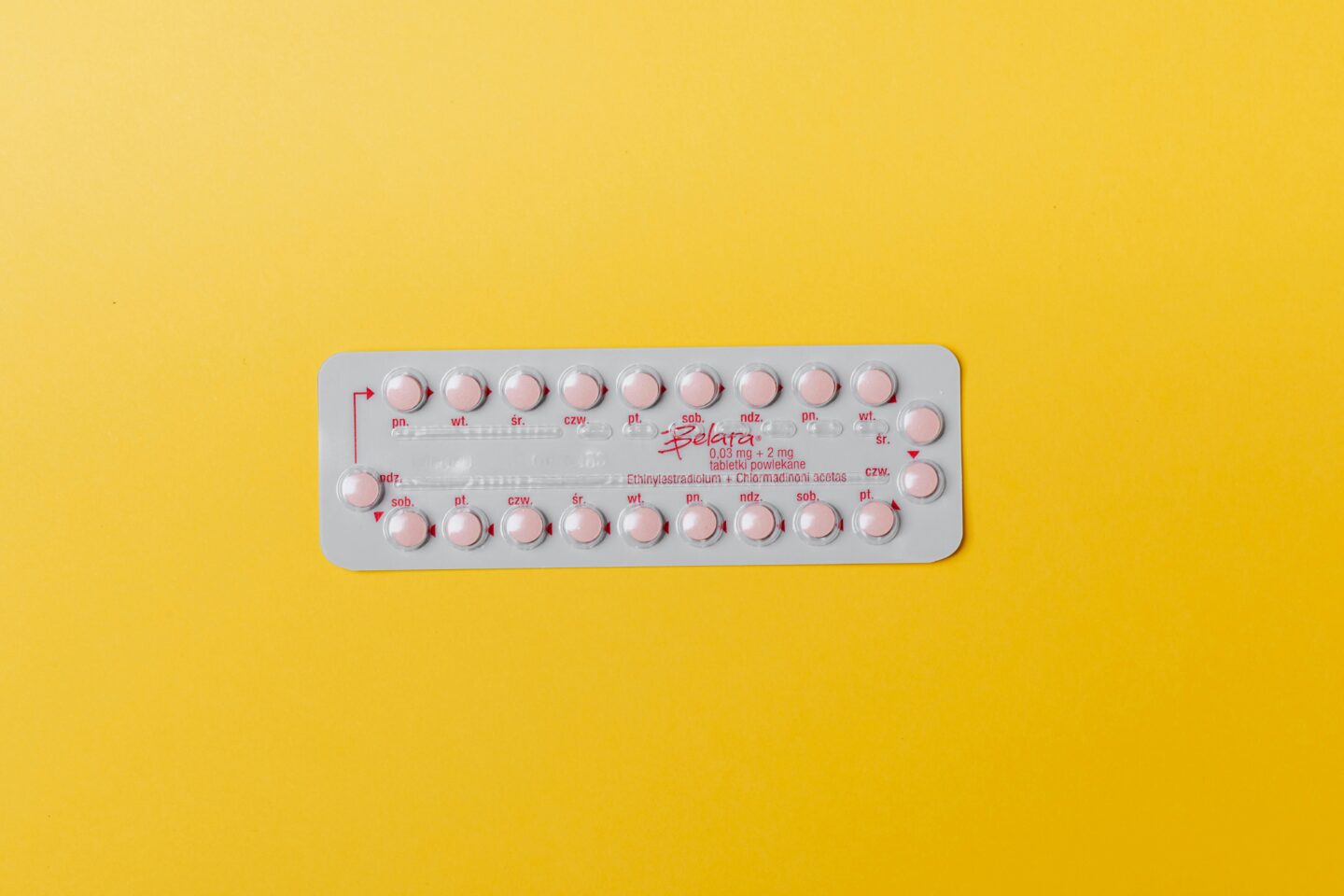
Are you considering a long-term contraceptive option but feeling overwhelmed by the choices available? With so many types of birth control methods on the market, it can be challenging to decide which one is right for you. For those looking for a hassle-free and effective solution, two popular options are contraceptive implants and injections. These methods offer convenience and peace of mind with their ability to prevent pregnancy for extended periods.
But how do they differ? Which one may be more suitable for your lifestyle and needs? This post will dive into the world of contraceptives and compare contraceptive implants versus injections so that you can make an informed decision about your reproductive health journey. Let’s explore these long-acting birth control options to find the right fit for you!
Overview of Contraceptive Implant and Contraceptive Injection
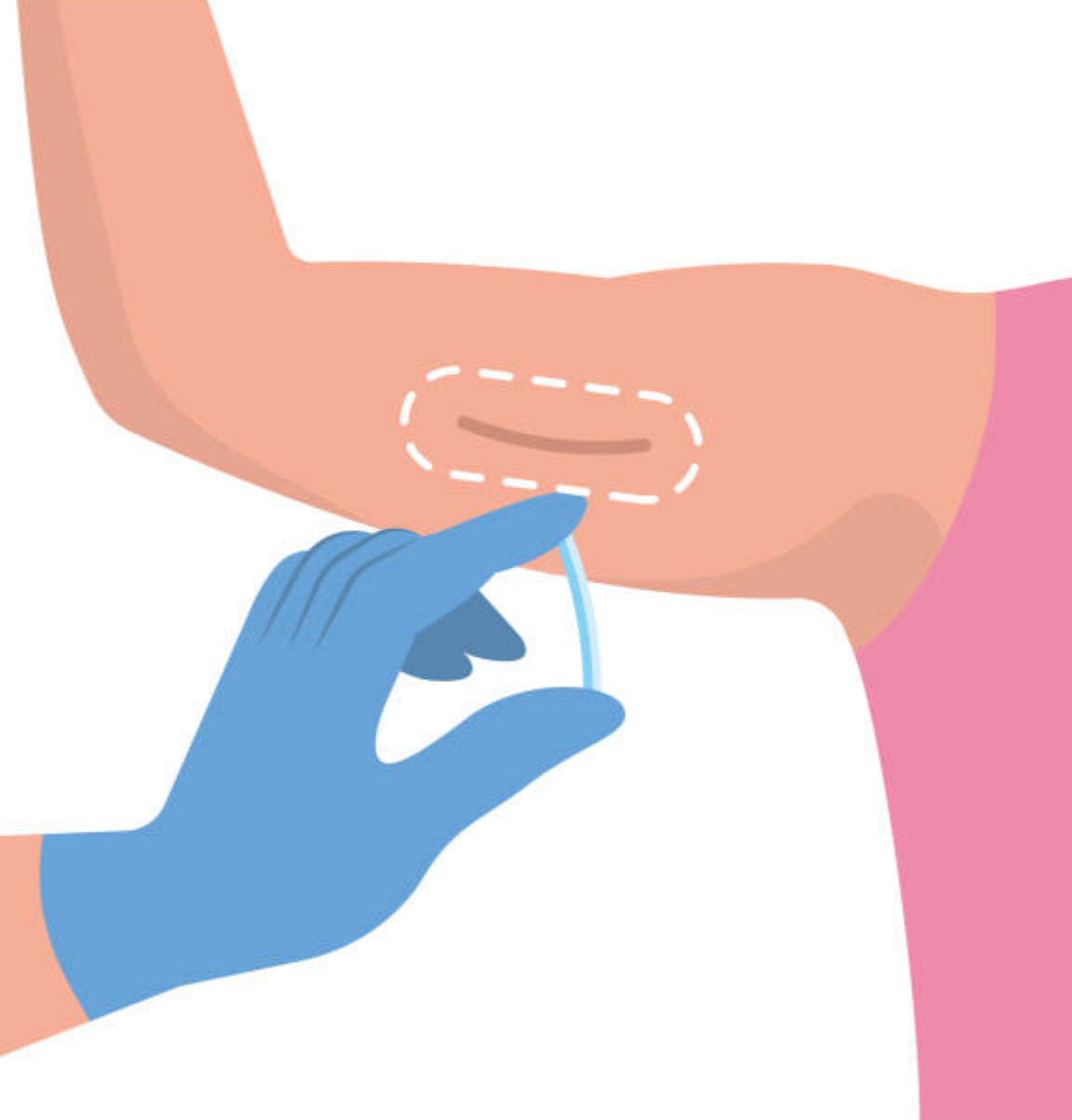
The contraceptive implant is a small, flexible rod that is inserted under the upper arm’s skin. It releases the hormone progestin that prevents ovulation and thickens cervical mucus, making it hard for sperm to reach an egg. The implant is effective for up to three years and requires a healthcare provider for insertion and removal.
On the other hand, contraceptive injection delivers a dose of progestin every three months. Like the implant, it works by preventing ovulation and thickening cervical mucus. A healthcare professional must administer the injection and requires regular visits every three months to maintain effectiveness.
Effectiveness of Implant vs Injection
Contraceptive implants and injections are among the most effective methods available for preventing pregnancy.
Contraceptive implants are more than 99% effective, meaning fewer than 1 in 100 women using this method will become pregnant each year. This high effectiveness is largely due to the implant’s design; once inserted under the skin of the upper arm, it continuously releases the hormone to prevent pregnancy.
Contraceptive injections also demonstrate high effectiveness but are slightly less reliable than implants. They are approximately 94% effective with typical use, delivering a dose of progestin every three months.
Cost and Accessibility Comparison of Implant vs Injection
The cost of both birth control varies based on location and healthcare provider. Generally, the upfront cost of the implant may be higher due to the procedure involved in insertion. However, since it lasts for three years, it can be more cost-effective over time compared to repeated injections.
Accessibility can also differ; some healthcare providers may offer one method but not the other, so it’s essential to check local availability.
Duration and Maintenance
Once a contraceptive implant is inserted, it can provide continuous contraception for up to three years without any further action required from the user during that period.
Contraceptive injection requires a visit every three months for administration. Missing an appointment can lead to decreased effectiveness and potential risk of pregnancy.
Side Effects and Health Considerations
Both methods share similar side effects, including irregular bleeding, headaches, and mood changes. However, some women may experience more pronounced side effects with one method over the other.
- Implant: Side effects may include changes in menstrual bleeding patterns; some women report lighter periods or no bleeding at all.
- Injection: Commonly associated with weight gain and potential decreases in bone density with long-term use.
Certain health conditions may make one method unsuitable; for example, women with a history of breast cancer or severe liver disease should consult their healthcare provider first before choosing either method.
Convenience and Lifestyle Impact
The contraceptive implant is often seen as more convenient due to its long-lasting nature—once inserted, users do not need to think about contraception daily or monthly. Conversely, contraceptive injections require regular appointments, which may be inconvenient for some individuals.
Reversibility and Fertility Return
Both methods are reversible; however, fertility returns more quickly after removing the implant than after stopping injections. Women can expect their fertility to return immediately after implant removal but may experience delays in fertility restoration after discontinuing injections due to the hormonal buildup in their system.
Final Considerations for Choosing Between Implant and Injection
When deciding between an implant and an injection, consider key factors such as cost, effectiveness, convenience, side effects, and maintenance requirements. It is crucial to reflect on personal health circumstances, lifestyle preferences, and future fertility plans.
Consulting a healthcare provider is essential in making an informed decision tailored to individual needs.
Takeaways
Contraceptive implants and injections are effective long-acting birth control methods that release progestin to prevent pregnancy, with implants boasting over 99% effectiveness and injections around 94%. While implants provide protection for three years, injections need to be administered every three months.
Individuals should be aware that side effects can differ between the two methods, and certain health conditions may render one option unsuitable. When choosing between an implant and an injection, factors such as convenience, cost, reversibility, and personal preferences play a crucial role.
Carefully weigh your options and seek professional medical advice to ensure you choose the best contraceptive method for your needs.
Thank you for reading.







