
As our loved ones age and maybe start living alone, their nutrition can suffer. It’s important to ensure elderly relatives who live independently are getting proper nutrition. Here are some tips for making sure an elderly relative living alone is eating well.
Check in Regularly
When an elderly relative lives alone, they don’t have someone at home monitoring their eating habits daily. That’s why it’s important for family to check in regularly. Aim to call or visit 3-5 times per week. Ask how their appetite has been and what they’ve been eating. See if they are cooking for themselves or relying on quick processed foods. Find out if they’ve been grocery shopping and have healthy foods stocked. Frequent check-ins will help you gauge if they are eating properly. Speak to a home care agency in Worcester, MA, if you’re concerned and can’t visit regularly.
Look in the Kitchen and Fridge
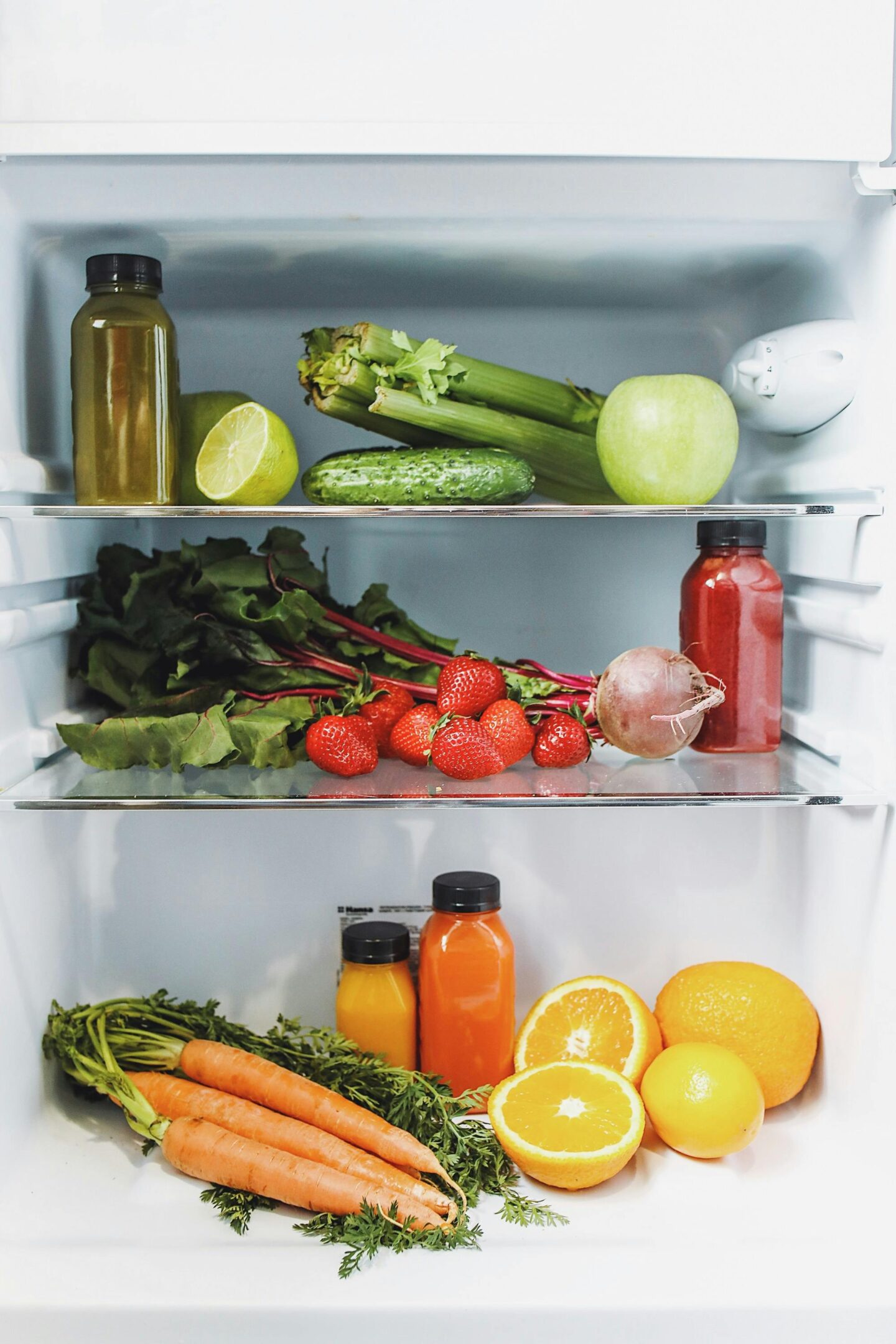
When you visit your elderly relative, take a look in their kitchen and fridge. Check the expiration dates on foods and toss anything that is past its use by date. Look for healthy foods like fruits, vegetables, lean proteins, whole grains and low-fat dairy. The fridge and pantry can tell you a lot about their eating habits. If the shelves are mostly stocked with processed foods or sugary snacks, that’s a red flag that their nutrition needs improvement.
Discuss Any Chewing or Swallowing Issues
As we age, dental problems and difficulty chewing or swallowing become more common. Ask your older relative if they have any issues eating certain foods. If they have lost teeth or have ill-fitting dentures, they may avoid foods like raw veggies, nuts, or meat that are hard to chew. Discuss options like purchasing a blender or food processor to puree foods. Or arrange a visit to the dentist to get their teeth or dentures checked.
Look for Signs of Weight Loss
When visiting your elderly relative, look for any signs of weight loss like looser fitting clothes or a thinner face and body frame. Unexplained weight loss in seniors can be a red flag that they aren’t eating properly. Ask if they’ve been deliberately skipping meals or if they have a poor appetite. Rule out underlying conditions that could cause weight loss. If it seems to be caused by poor nutrition, take steps to help them start eating more calories and nutrient-rich foods.
Cook and Freeze Meals in Advance
One of the best things you can do is cook batches of healthy meals for your older relative in advance and freeze them. Lasagna, chili, casseroles and soups freeze very well. This makes it easy for your loved one to just heat up a nutritious prepared meal. Encourage them to stock their freezer with the homemade frozen meals so they always have something easy and healthy to eat.
Order Groceries and Meal Delivery Services
Look into grocery delivery services in your area that bring groceries right to your elderly relative’s home. This removes the difficulty of getting to the store. You can work together to create grocery orders with healthy food staples, fruits and veggies. Meal delivery services like Home Chef, Blue Apron or Magic Kitchen are another great option that delivers healthy, home-cooked meals tailored to the senior diet.
Keep a close eye on a loved one if you notice any signs they aren’t eating properly. A home care service may be needed.
Thank you for reading.







