Life after rehabilitation marks the beginning of a new journey—one filled with hope, challenges, and opportunities for growth. While completing a rehab program is a significant achievement, maintaining sobriety requires ongoing commitment and practical strategies. This guide provides evidence-based approaches to help you or your loved one navigate the path to long-term recovery success.
Life After Rehab: The Real Deal
Let’s be honest – those first few months after rehab are rough. The structured environment is gone, and suddenly you’re faced with all the people, places, and emotions that might trigger cravings. I won’t sugarcoat it: the first 90 days are when most people with substance use disorder struggle the most. But I’ve also watched many people push through this period and build an amazing, sober life.
8 Ways to Stay Sober
1. Know Your Triggers (And Have a Plan)
We all have them – those things that make us think, “A drink would be nice right about now.” Maybe it’s driving past your old bar, fighting with your partner, or even feeling really good at a celebration.
Make a list of your personal triggers, and then (this is the important part) create a specific game plan for each one. If your route home passes your old drinking spot, map out a new way home.
2. Don’t Try to Go It Alone
I’ve never met anyone who stayed sober long-term without support. Not one person. Whether it’s AA, SMART Recovery, or just trusted friends who understand your journey, find your people.
Recovery thrives with connection. Studies consistently demonstrate that individuals with strong support systems achieve better long-term sobriety outcomes than those attempting recovery in isolation.
Your sobriety support network might include:
- Support groups: 12-step programs like Alcoholics Anonymous or alternatives such as SMART Recovery
- Family and friends: People who understand and champion your recovery goals
- Recovery professionals: Counselors, therapists, and coaches who provide guidance
- Online communities: Digital support groups offering connection at any hour
Many people in early recovery also benefit from transitional housing in sober living communities, where you can live alongside others committed to sobriety while gradually rebuilding independence. These structured environments provide accountability while allowing more freedom than inpatient rehab.
3. Take Care of Your Body
When I’m hungry, angry, lonely, or tired (the recovery HALT warning), that’s when I make my worst decisions. The simplest things make the biggest difference:
- Eat regular meals
- Get some movement daily (even a 10-minute walk counts)
- Aim for consistent sleep
- Find quick ways to calm down when stressed (try deep breathing)
4. Structure Your Days
Empty time is a dangerous time in early recovery. You don’t need to schedule every minute, but having a loose structure helps more than you’d think.
Keep it simple: regular wake-up time, planned meals, work, recovery activities, and some fun. Speaking of fun, yes without alcohol.
5. Keep Working with a Professional
I know, therapy isn’t cheap. But it’s less expensive than rehab round two. If finances are tight, look into:
- Community mental health centers
- Therapists who offer sliding scale fees
- Group therapy options
- Online therapy platforms
The support you need might change over time, but don’t cut this lifeline too soon.
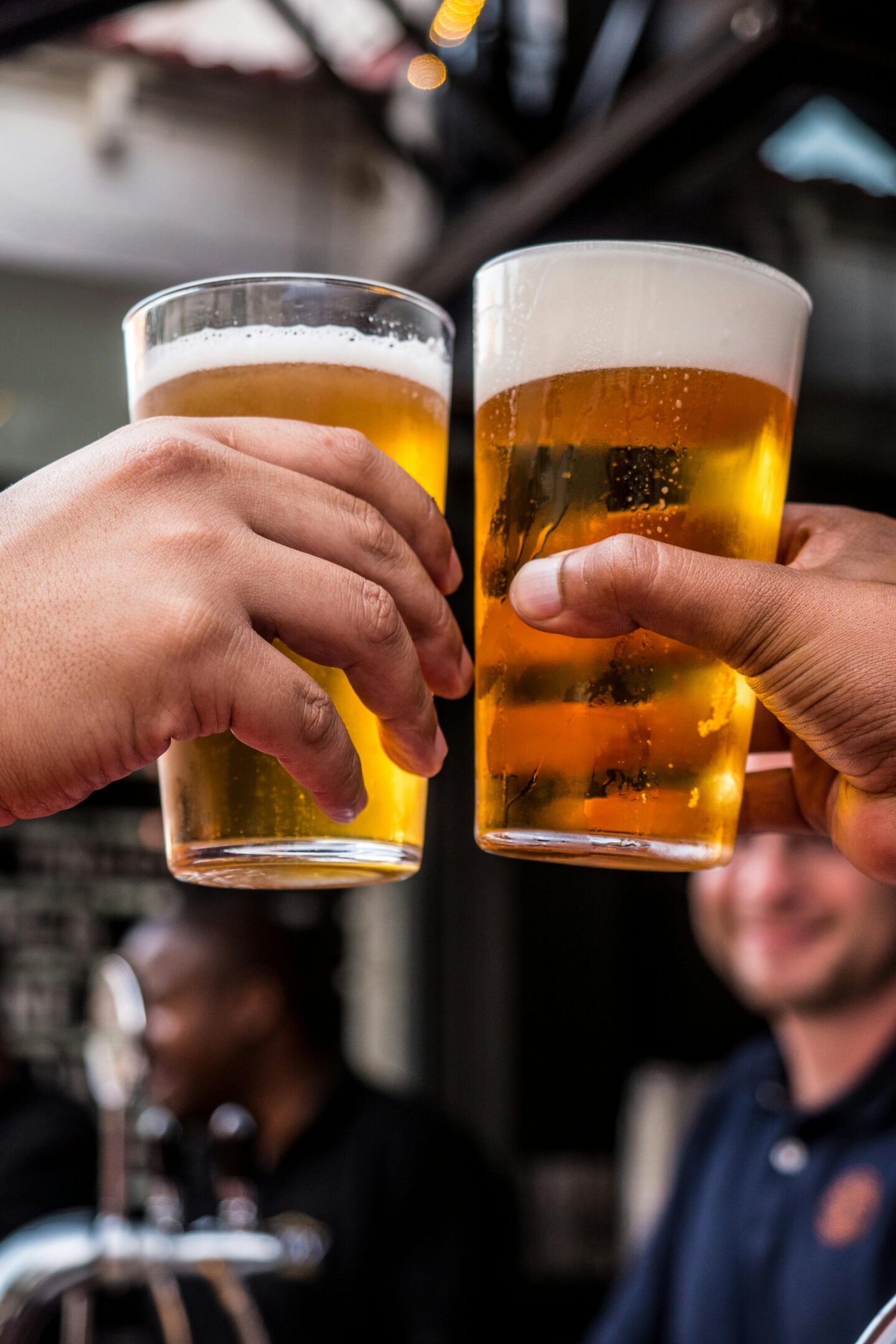
6. Find Things You Actually Enjoy Doing
Probably the question I hear most often: “What am I supposed to do for fun now?” Fair question. Substance use takes up a lot of time and energy. Now you need new outlets.
The key is experimentation. Try things even if you’re skeptical.
Consider exploring:
- New hobbies or revisiting previous interests
- Volunteer opportunities in your community
- Educational pursuits to expand your knowledge
- Creative expressions like art, music, or writing
The ideal activities provide a sense of purpose, accomplishment, and joy, creating natural rewards that strengthen your recovery foundation.
7. Make Your Space Support Your Sobriety
Your environment shapes your choices more than you realize. Take an honest look at your living space:
- Are there alcohol or drug reminders hidden away?
- Do you have comfortable spaces for when cravings hit?
- Is there somewhere you can go to calm down when emotions run high?
Small changes to your physical space can make a huge difference in those moments when sobriety feels hard.
8. Set Meaningful Goals Beyond “Not Using”
Sobriety gives you your life back, but it’s up to you to decide what to do with it. The most successful recoveries I’ve witnessed always include forward momentum.
What did substances prevent you from pursuing? Maybe it’s education, rebuilding relationships, financial stability, or creative projects. Pick something that pulls you forward.
When Relapse Happens: A Reality Check
I’d be lying if I said relapse never happens. It does – to about half of people in recovery. But here’s my view: relapse is an event, not a person. It doesn’t define you.
If it happens:
- Reach out immediately (don’t hide in shame)
- Get back to what was working before
- Learn from it – what need was the substance filling?
- Adjust your recovery plan
- Be kind to yourself
There’s always a way back.
Your Next Steps Right Now
If you’re reading this as you prepare to leave rehab (or support someone who is), here’s what I recommend today:
- Get your first week planned out in detail
- Have at least three support people on speed dial
- Know where and when your next recovery meeting is
- Create a simple morning routine to start each day right
- Remove substance reminders from your space
FAQ’s
How many people actually stay sober after rehab?
About 40-60% maintain continuous sobriety in the first year. Many others achieve long-term recovery after some setbacks.
What’s the hardest part of staying sober?
It’s learning to handle emotions without numbing them and rebuilding a social life that doesn’t revolve around substances.
When does sobriety start feeling normal?
Most people say it takes 3-6 months for new routines to feel natural and closer to 1-2 years before sobriety feels like their default state.
Can I ever have just one drink again?
I’ve rarely seen this work well for people with actual alcohol use disorder. The brain gets “kindled” to respond intensely even to small amounts after addiction develops.
What should I do during intense cravings?
Immediately call someone supportive, change your environment, use distraction, or practice relaxation techniques. Remember: no craving lasts forever.
Does medication help with long-term recovery?
For many people, absolutely yes. Medications for alcohol and opioid use disorders can significantly improve outcomes when combined with counseling and support.
Thank you for reading.