When it comes to birth control, many women look for something effective, long-lasting, and hassle-free. That’s where intrauterine devices (IUDs) like Paragard come in. They offer years of pregnancy prevention without daily pills or monthly injections. But while Paragard may seem like the perfect solution on the surface, it’s not without its risks. Some women have experienced serious health problems after using this device—and it’s important to know what those risks are.
In recent years, more and more women have come forward to share their experiences with Paragard. Some have faced painful complications that led them to undergo surgery or deal with long-term health issues. As a result, many are now seeking legal help to file a Paragard IUD lawsuit, hoping to raise awareness and get justice for what they’ve been through. These stories are not just isolated incidents—they’re part of a growing concern that every woman considering Paragard deserves to understand.
This blog breaks down the most serious health risks linked with the Paragard IUD, so you can make an informed choice about your reproductive health.
What is Paragard?
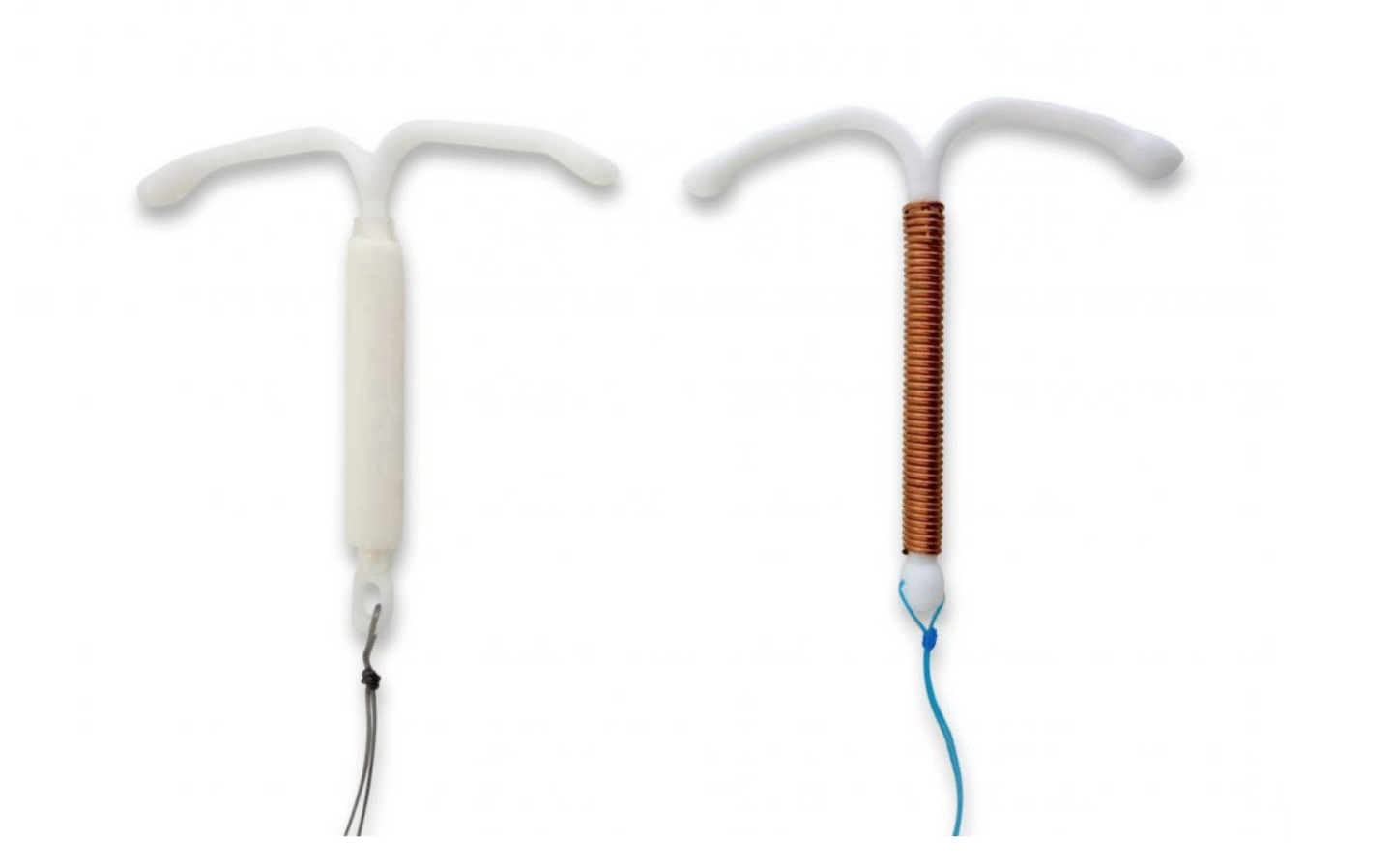
Paragard is a type of non-hormonal IUD made of plastic and wrapped with a thin layer of copper. Once placed in the uterus, it can prevent pregnancy for up to 10 years. The copper acts as a spermicide, stopping sperm from reaching and fertilizing the egg. Unlike hormonal IUDs, Paragard doesn’t release any hormones into the body.
Device Breakage and Expulsion
One of the most alarming risks reported with Paragard is device breakage. In some cases, the arms of the device have broken off during removal. This can leave sharp fragments inside the uterus, leading to pain, infections, and the need for surgery. Some women have even needed hysterectomies after failed removal attempts.
Another issue is expulsion. Sometimes, the IUD gets pushed out of the uterus without warning. This can make the birth control ineffective and may cause cramping or bleeding. In a few cases, women didn’t even realize it had happened until they were already pregnant.
Uterine Perforation
Though rare, uterine perforation is one of the most serious risks. This happens when the IUD punctures the wall of the uterus during insertion. It can cause severe pain, internal bleeding, and damage to nearby organs. Surgery is usually needed to fix the damage and remove the device.
Healthcare providers are trained to insert IUDs safely, but perforation can still happen. Some women are more at risk, especially if they’ve recently given birth or are breastfeeding.

Inflammation and Infections
Because Paragard contains copper, some women may have a sensitivity or reaction to the metal. This can cause inflammation inside the uterus. While it’s not common, ongoing inflammation may lead to pain, heavy periods, or infections.
Infections can also happen if bacteria enter the uterus during insertion. Most are treatable with antibiotics, but severe cases might lead to pelvic inflammatory disease (PID). If not treated quickly, PID can affect fertility and cause long-term problems.
Emotional and Physical Toll
Beyond the physical issues, many women report feeling stressed, anxious, or frustrated after dealing with complications. The unexpected health challenges can take a toll on everyday life—mentally, emotionally, and financially. Some feel they weren’t properly warned about the risks before choosing Paragard.
That’s why awareness is so important. When women understand the risks, they can better advocate for themselves and ask the right questions when talking with their doctors.
Final Thoughts
Paragard may work well for many women, but it’s not the right choice for everyone. Like any medical device, it comes with risks—and some of those risks are serious. If you or someone you know is considering this form of birth control, take the time to learn more and speak with a trusted healthcare provider.
Staying informed can make all the difference. Your health is too important to leave up to chance.
Thank you for reading.