Why Coastal-Inspired Spaces Feel So Relaxing
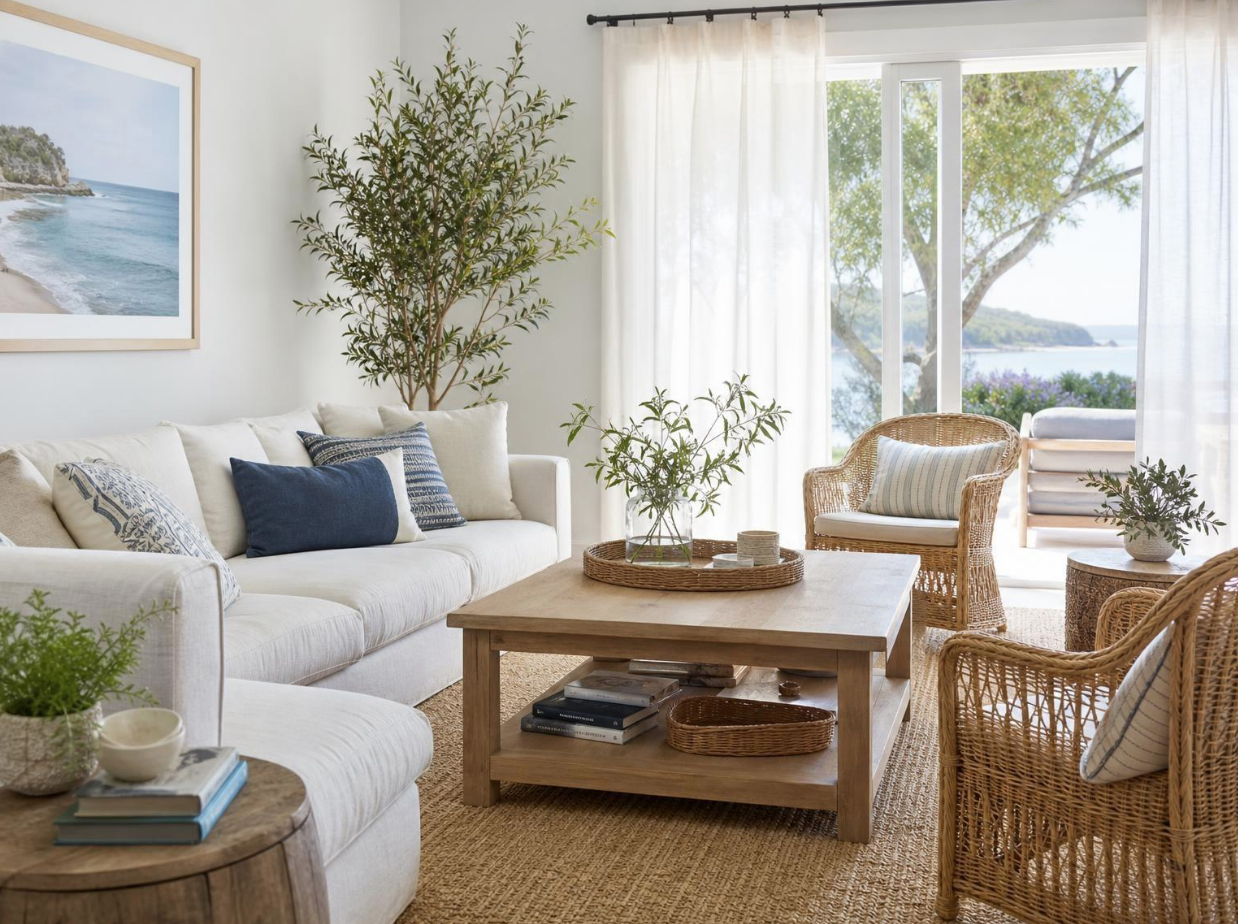
A coastal-inspired home isn’t about seashell collections or anchor motifs—it’s about light, air, and the sense of calm we associate with the seaside. People gravitate toward this look because it feels uncluttered and restorative, whether they live steps from the water or in a landlocked city apartment. Many homeowners browse online communities and coastal decorations recommendations shared by real people for inspiration, but the best results come from adapting those ideas to your own space, budget, and lifestyle rather than copying them exactly. This article sticks to timeless decorating principles, not passing trends.
Understanding Coastal Style: Beyond Nautical Themes
Coastal style is about atmosphere, not souvenirs. It helps to draw a line between coastal-inspired design—subtle, nature-based, and understated—and nautical-themed decor, which leans on literal ship wheels and anchors. Classic coastal interiors favor light, airy rooms, natural materials like wood and rattan, and furnishings built for comfort over show. Interior professionals tend to talk about this style in terms of light, texture, and color balance rather than any particular object.
Building a Coastal Color Palette That Lasts
Start with a neutral base: soft whites, warm beiges, or pale greys across walls and larger surfaces. These tones bounce daylight around a room and make it feel more open. From there, layer in soft blue accents, seafoam green, or sandy hues through textiles, artwork, or a single painted piece. A simple palette might look something like this:
- Base: warm white or sand beige
- Accents: soft blue, seafoam
- Contrast: navy or charcoal, used sparingly
Before you commit to any color, test paint samples in your actual room lighting—natural light shifts depending on orientation and climate, and a shade that looks perfect in the store can read very differently at home.
Light and Air: The Foundation of a Coastal Atmosphere
Maximizing natural light sits at the heart of this style. Swap heavy drapery for sheer or minimal window treatments, keep window trim light-colored, and use mirrors to help light travel further into the room. Layout matters just as much as light—an uncluttered arrangement with clear sightlines and a bit of intentional negative space keeps a room feeling open rather than crowded. Something as simple as moving a bulky piece of furniture away from a window can noticeably change how a space feels.
Choosing Coastal-Inspired Materials and Textures
Natural materials anchor the coastal aesthetic: light wood finishes, woven fibers like rattan, jute, and sisal, and breathable fabrics such as linen and cotton. These textures bring warmth to what might otherwise be a fairly simple color scheme. Where it makes sense, balance softness with durability—slipcovers you can actually clean, or natural-fiber rugs chosen with foot traffic and comfort in mind. It’s worth weighing allergies, pets, and upkeep before settling on any material.
Decorative Details: Adding Coastal Character Without Clutter
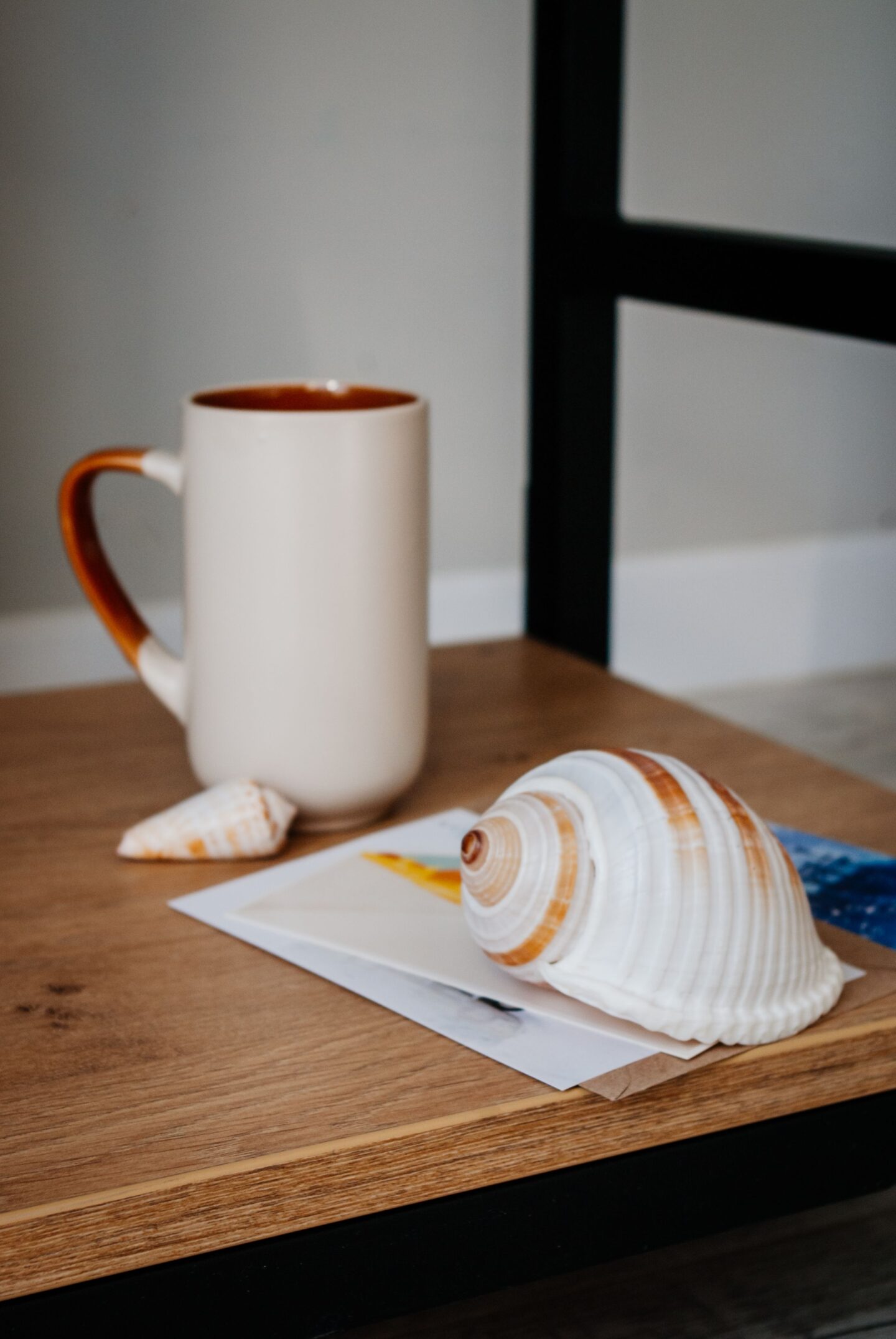
Subtlety wins here: think ocean-inspired artwork, a small bowl of shells, or a blue-and-white striped throw. Steer clear of loading a room with literal beach motifs, which tend to feel dated fast. Instead, practice a bit of curation—clear out the excess first, then bring back only the pieces that support your color palette and the mood you’re after.
Key Takeaway: A few carefully chosen coastal accents create more impact than a room full of themed accessories.
Adapting Coastal Style to Different Homes and Budgets
You don’t need an oceanfront property to pull this off. Renters can lean on removable textiles, light colors, and mirrors instead of structural changes. If budget is the main constraint, try this simple plan:
- Repaint one wall or room in a light neutral.
- Replace heavy curtains with something simple and light.
- Add one natural-fiber element, like a woven basket or lampshade.
Start with what you already own, and rearrange before you buy anything new.
Bringing It All Together: Creating Your Own Relaxed Coastal Retreat
The core principles are simple: begin with a light, neutral foundation; layer in soft blues and natural textures; prioritize light and uncluttered layouts; and add subtle coastal touches rather than heavy themes. Pick one room to experiment in, gather ideas thoughtfully, and filter them through your own space and needs before making them your own.
The most enduring coastal interiors are built on comfort, light, and simplicity, not on themed decorations.
Thank you for reading.