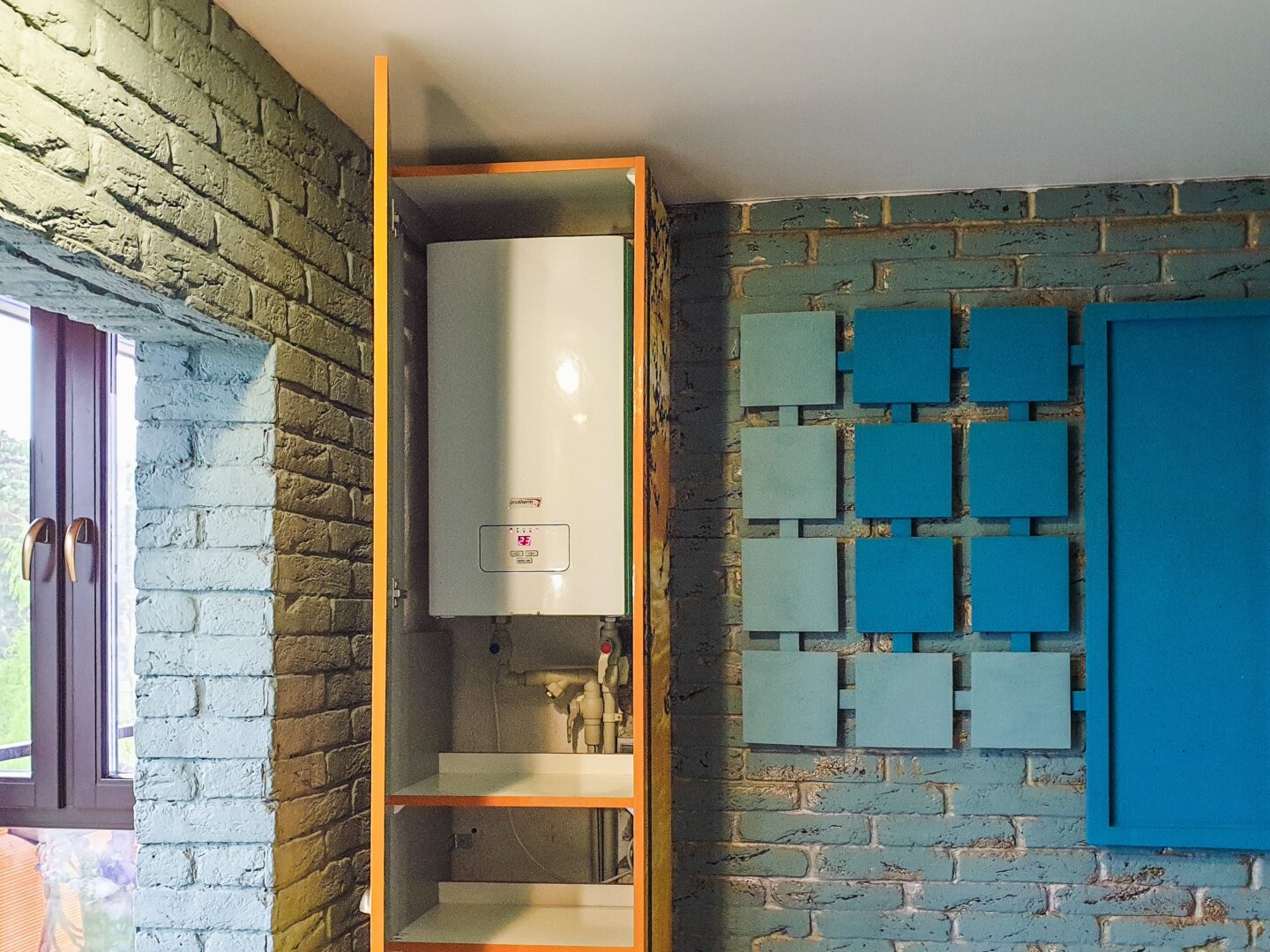
Boilers are one of the many appliances that we take for granted in the modern world. When they function as intended, there’s obviously nothing to worry about, but given that there’s literally a small fire inside these boilers burning throughout the day, how safe are gas boilers? Understanding how boilers work and some of the main safety issues is important – let’s take a quick look at what you need to know.
Old fashioned boilers
Let’s start by taking a look at old-fashioned boilers. The main way that older boilers kept you safe was through the use of a pilot light. This consisted of a small flame that was constantly kept lit, meaning that flammable gasses could never build up without catching fire.
If the pilot light went out, then the gas supply to the boiler would be cut off, to avoid any potential disasters. While pilot lights were relatively effective, they tend not to be the preferred safety feature in most modern boilers.
Modern boilers
Instead of constantly lit pilot lights, modern boilers tend to use electronic ignitions. This is because pilot lights were more prone to going wrong, either as a result of faulty thermocouples or even relatively simple issues like a draught or a strong gust of wind.
Pilot lights are also more expensive – even when the heating doesn’t need to be on, the pilot light still needs to be burning away. Electronic ignition sources eliminate this cost, because when the boiler is off, it’s actually off.
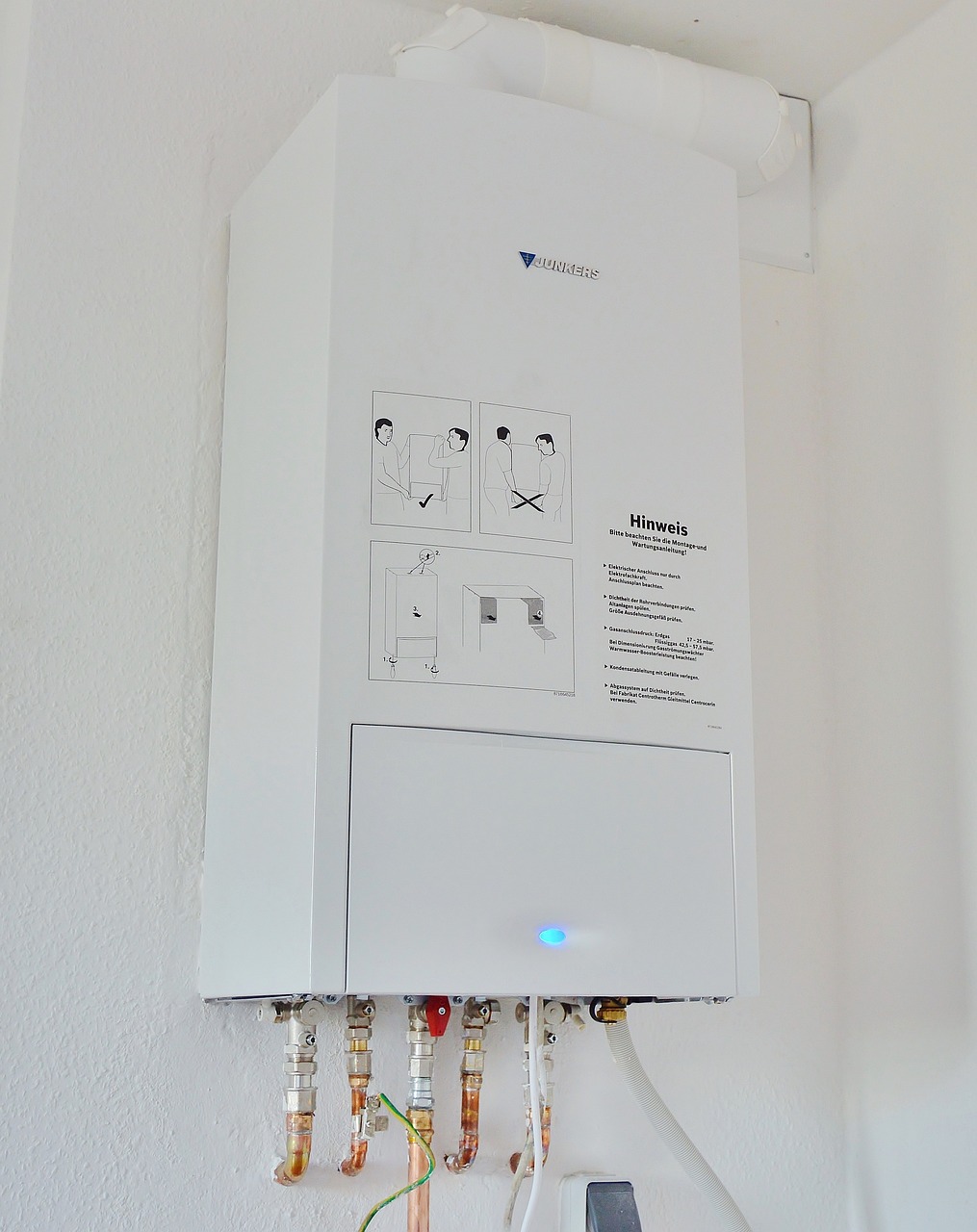
Carbon monoxide
The most serious safety-related issue with boilers nowadays is still the risk posed by carbon monoxide. This odourless gas is created as a result of incomplete combustion, and can be deadly if it’s allowed to build up in an environment to certain concentrations.
Luckily, this is an easy risk to mitigate. It’s both inexpensive and highly effective to simply install carbon monoxide alarms around the house – you just need to make sure that you check their functionality regularly, and replace the batteries as necessary.
Regular servicing
As with any appliance that gets regular usage, to keep it safe you need to make sure you get your boiler serviced at regular intervals by a service such as Able Plumbers. In most cases, it’s advisable to get it serviced at least once a year. If it’s a rental property, this changes from just advisory to a legal necessity, under the Landlord and Tenant Act (1985). These services don’t take long, and they’re essential in order to keep the property and its occupants safe.
While gas itself is naturally odourless, it has a distinct egg-like smell added to it so that you can notice any leaks. Even if your boiler has been recently serviced, if you suspect that you smell gas in your home, it’s important to get an emergency plumber over to take a look. Boilers nowadays are much safer than they used to be, but that doesn’t mean that they can’t go wrong. The potential ramifications of a serious gas leak are deadly, and it’s always better to be safe than sorry.
Thank you for reading.







