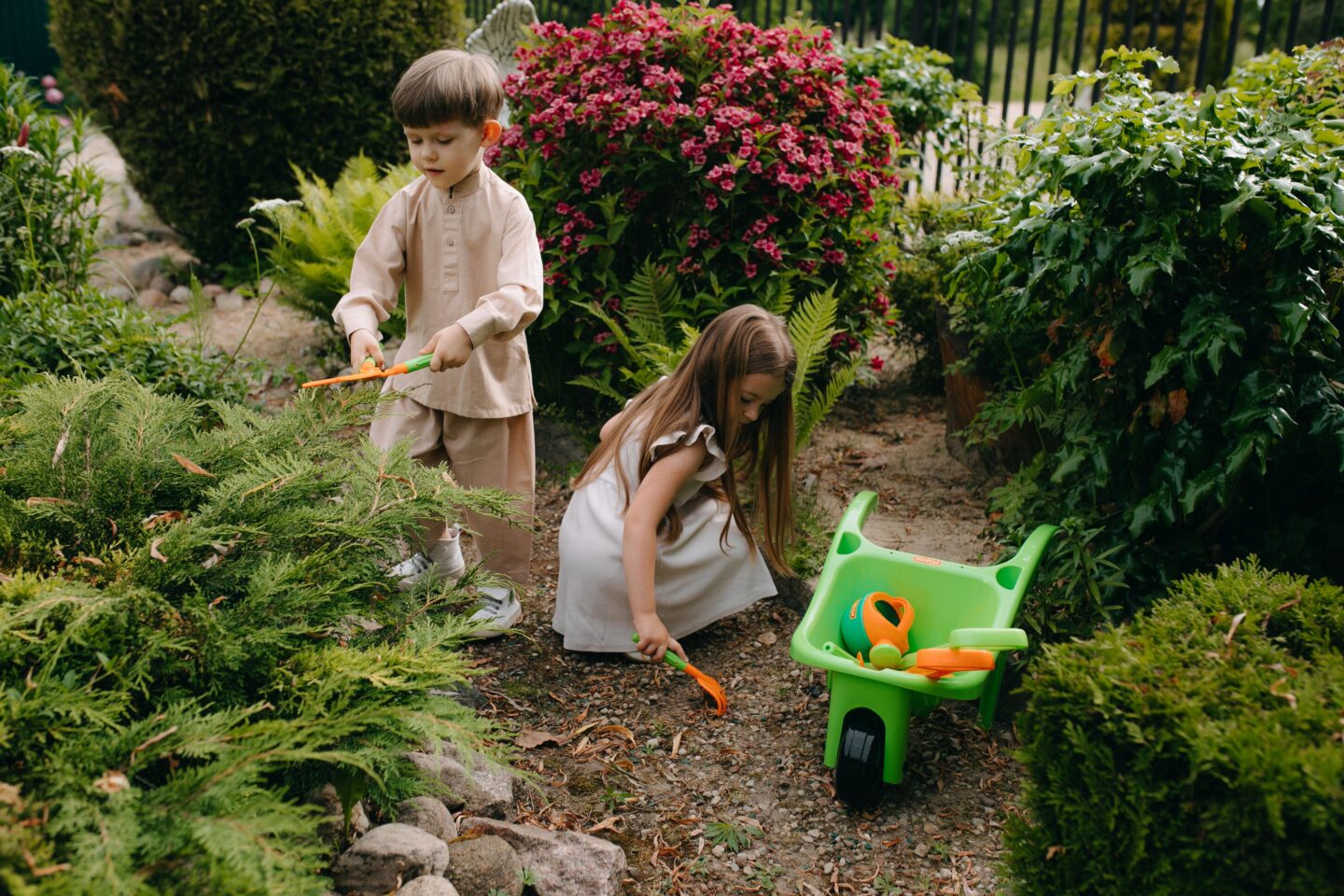
A family garden often has several jobs to do. One minute it is a football pitch or play area, and the next it is somewhere for lunch, a cup of tea or an evening with friends. Add bikes, toys, gardening equipment and changing weather, and even a generous outdoor space can start to feel rather crowded.
Planning around how your household really uses the garden can make a big difference. Rather than aiming for a picture-perfect space that demands hours of attention, focus on creating somewhere attractive, practical and easy to live with.
Give Different Activities Their Own Space
Dividing a garden by activity can make it feel much more organised. You do not need a large plot or permanent barriers to make this work.
A patio or paved section could become the main dining area, while another part of the garden is kept open for games. A quiet corner with a bench or comfortable chair creates a separate spot for reading and relaxing.
Planters can also act as subtle dividers. Different flooring materials, outdoor rugs and changes in furniture position can create visual boundaries without making the garden feel smaller.
Think about sightlines when deciding where everything belongs. Parents of younger children may prefer the play area to be visible from the kitchen or seating area. Toys and play equipment can then occupy their own section without taking over the whole garden.
Choose Surfaces with Family Life in Mind
Garden surfaces need to cope with the activities that regularly happen on them. Appearance matters, but so do durability, cleaning requirements and the amount of maintenance you are willing to take on.
Natural lawns provide a traditional garden appearance and a soft area for play, although regular mowing and seasonal care need to fit your schedule. Paving can work well around dining furniture and busy doorways, while gravel may suit decorative areas or paths depending on the needs and ages of the household.
Some homeowners also consider artificial turf for frequently used areas where they want a consistent surface with different maintenance requirements from a natural lawn. As with any material, it is worth considering factors such as installation, drainage, heat in sunny weather, lifespan and eventual disposal before deciding whether it suits your home.
The right choice may involve several surfaces rather than one material across the entire garden.
Reduce Unnecessary Garden Maintenance
Planting can add colour and character without turning every weekend into a gardening session. Hardy plants suited to your soil, light levels and local conditions will generally be easier to manage than varieties requiring frequent attention.
Containers are useful for busy households because they keep planting contained and can be moved when needed. A few well-positioned pots can brighten a patio or seating area without filling every border.
Storage is another practical addition. A weather-resistant box close to the play area makes it easier to put away balls, outdoor games and smaller toys. A shed or compact storage unit can keep tools, cushions and gardening supplies out of sight. When everything has an obvious home, clearing the garden becomes a much quicker task.

Create Somewhere Adults Can Enjoy Too
Children may be enthusiastic garden users, but the outdoor space should work for adults as well. A comfortable seating area can turn an overlooked corner into somewhere worth spending time.
Choose furniture based on how you prefer to use the garden. A dining table suits family meals and entertaining, while lounge-style chairs may be better if relaxation is the priority. Washable cushions and outdoor textiles can add colour without requiring major changes.
Lighting can make the space appealing later in the day. Solar lights, lanterns or suitable outdoor wall lights can create a softer atmosphere once toys have been packed away.
Make the Garden Fit Your Family
A successful family garden does not have to look pristine every day. It needs to support real life, whether that means energetic play, relaxed meals or a quiet half-hour outside.
By giving activities their own areas, choosing suitable surfaces and keeping maintenance manageable, you can create a garden that feels pleasant without becoming another demanding household job. The result is an outdoor space with something to offer everyone.
Thank you for reading.