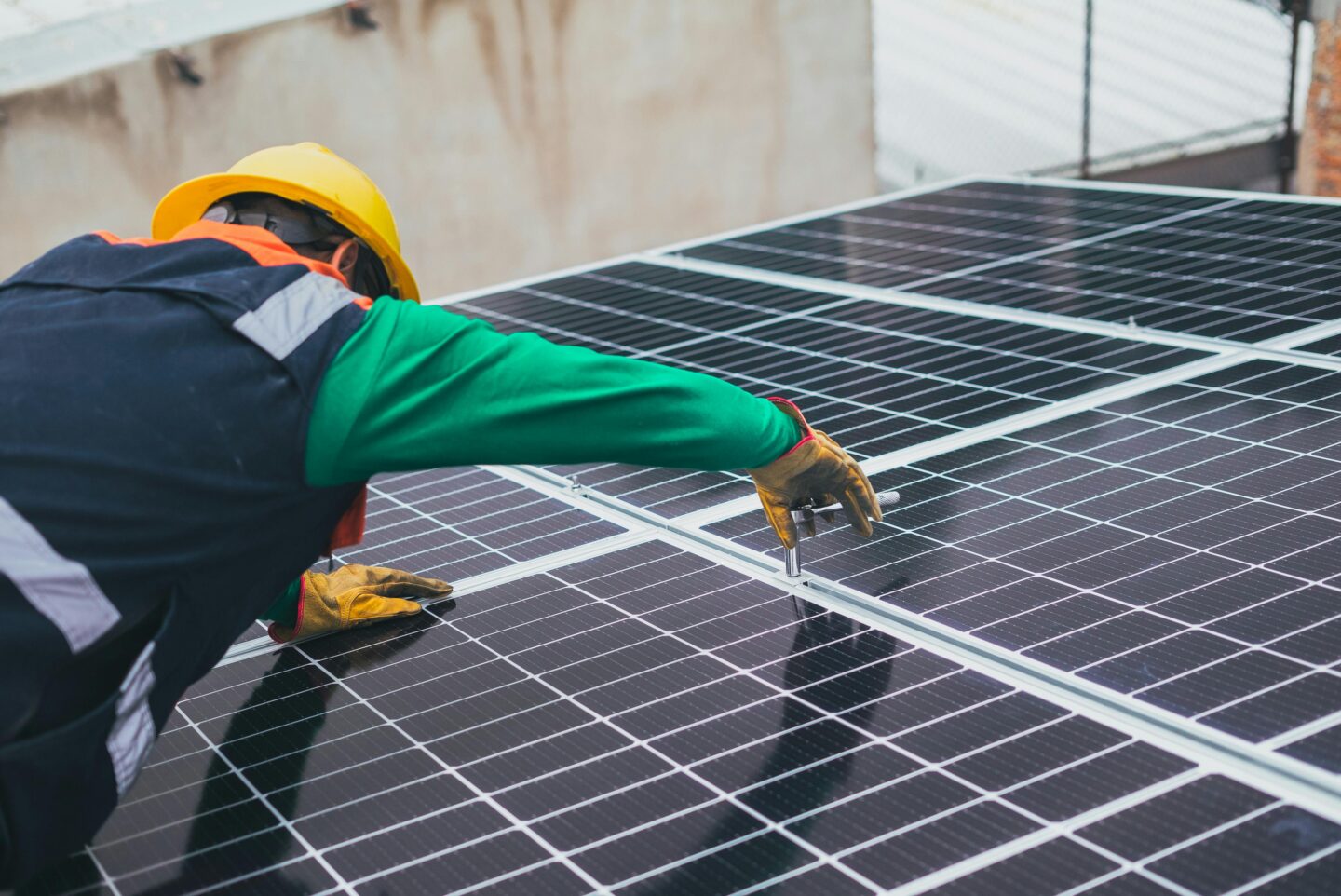
Home renovations present the perfect opportunity to rethink energy use and embrace sustainability. With rising electricity costs and growing environmental concerns, homeowners are increasingly considering renewable energy solutions. Solar power, in particular, offers a practical way to cut energy bills while reducing reliance on traditional power grids. But where do you begin? Integrating solar power into a renovation requires strategic planning to ensure efficiency and long-term benefits. From assessing your home’s energy needs to choosing the right equipment, every step matters. This guide will help you navigate the process smoothly, making your transition to solar energy a smart and rewarding investment.
-
Assess Your Home’s Energy Consumption
Before making any solar-related decisions, understand your current energy consumption. Take a close look at your electricity bills from the past year to identify usage patterns. Some months might demand more energy than others, and knowing these trends helps you determine the size of the solar system you need. Consider appliances that consume the most power, such as heating and cooling systems, refrigerators, and water heaters. If possible, install a smart energy monitor to get real-time insights. By tracking usage, you can make informed choices about how much solar power you’ll need to meet your home’s demands efficiently.
-
Evaluate Your Roof’s Suitability
Not all roofs can support solar power systems efficiently. The size, shape, angle, and condition of your roof significantly impact how much sunlight it can capture. South-facing roofs with minimal shading typically perform best, but east- and west-facing options can also work with the right adjustments. Structural integrity is another factor—older roofs may require reinforcement before installation. Consult a professional to assess whether modifications are needed. Additionally, consider how much space is available for the system. High-efficiency solar panels can maximize output in limited areas, ensuring you get the most out of your investment without compromising roof space.
-
Choose the Right Solar System
Selecting the right system involves more than just picking panels. You need to decide between on-grid, off-grid, or hybrid setups. On-grid systems connect to the local power supply, allowing you to sell excess energy back to the grid. Off-grid options operate independently, requiring battery storage to keep your home powered at night or during cloudy days. Hybrid systems offer the best of both worlds, combining grid connection with battery backup. Each option comes with different costs and benefits, so weigh them carefully. Factor in long-term energy savings and consider future energy needs before making your final decision.
-
Find a Reputable Solar Installer
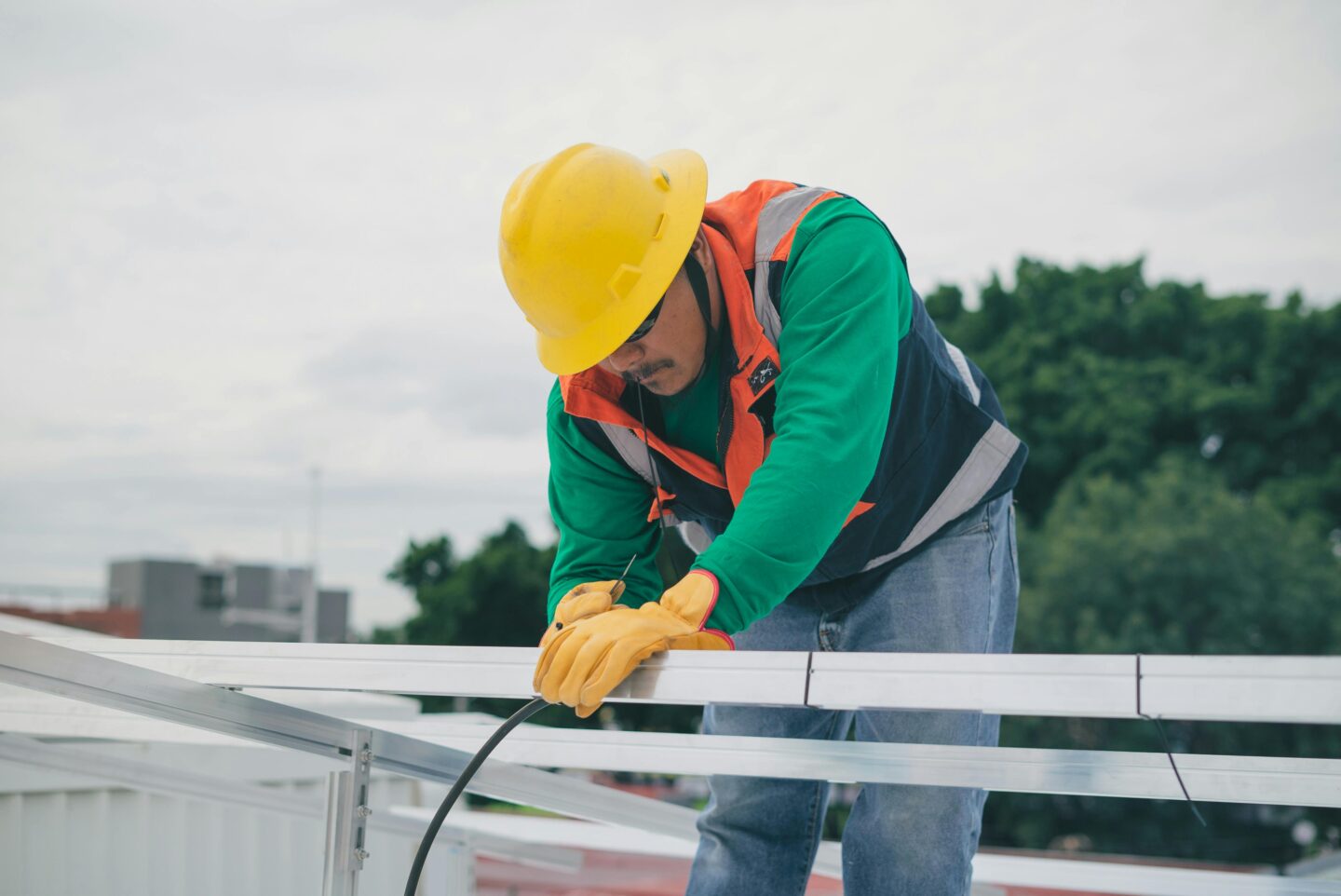
A well-installed system ensures efficiency and durability, so choosing the right installer is crucial. Look for companies with strong customer reviews, certifications, and a track record of successful installations. Don’t settle for the first option you find—get multiple quotes to compare prices and services. A good installer will assess your home, discuss energy goals, and recommend the most suitable system. Ask about warranties, maintenance, and potential incentives that could lower installation costs. Many regions offer rebates and tax credits for solar installations, making it even more affordable. Doing thorough research now prevents headaches later.
-
Understand Permits and Regulations
Solar installation involves permits and compliance with local regulations. Before starting, check with your municipality to understand zoning laws and building codes. Some areas require specific permits before installation begins, while others have restrictions on panel placement. If you’re part of a homeowner’s association, review their guidelines to avoid conflicts. Your installer can often handle the permitting process, but it’s still wise to stay informed. Understanding regulations ahead of time ensures your project runs smoothly and avoids unnecessary delays. Compliance also guarantees your system meets safety standards, preventing potential issues in the future.
-
Determine Your Budget and Financing Options
Installing solar power is an investment, but it doesn’t have to be financially overwhelming. Start by setting a realistic budget based on your energy needs and available incentives. Solar panel costs have dropped significantly in recent years, and various financing options make the transition more accessible. Homeowners can choose between outright purchases, solar loans, leases, or power purchase agreements (PPAs). Purchasing panels upfront provides the highest long-term savings, while loans allow for smaller monthly payments. Leasing and PPAs require little to no upfront cost, but they don’t offer ownership benefits. Research these options to find the best fit.
-
Plan for Battery Storage (If Needed)
Battery storage can enhance your solar setup, providing power during outages and maximizing energy independence. If you’re considering an off-grid or hybrid system, battery backup is essential. Even for grid-tied systems, having storage can reduce reliance on the power company during peak hours. The two main types of solar batteries—lithium-ion and lead-acid—offer different price points and lifespans. Lithium-ion batteries last longer and charge more efficiently, making them the preferred choice for most homeowners. Before deciding, consider your energy usage patterns and whether you need backup power for essential appliances during grid failures.
-
Optimize Energy Efficiency Before Installation
Before adding solar panels, improve your home’s energy efficiency to get the most out of your system. Upgrading insulation, sealing air leaks, and installing energy-efficient appliances reduce overall consumption, allowing your solar setup to cover more of your needs. LED lighting, smart thermostats, and efficient windows also contribute to long-term savings. Consider scheduling an energy audit to identify areas for improvement. By making efficiency upgrades first, you can lower the number of panels required, reducing upfront costs while increasing the impact of your solar power investment. Efficiency and solar go hand in hand for a sustainable home.
Integrating solar power into a home renovation requires thoughtful planning, but the long-term benefits outweigh the initial effort. From assessing your energy needs and evaluating your roof to choosing the right system and installer, each step plays a crucial role in ensuring efficiency and affordability. Investing in energy efficiency upgrades, exploring financing options, and taking advantage of available incentives further enhance the value of your solar installation. With proper maintenance, your system will provide clean, renewable energy for decades. By taking the right approach, you can transform your home into an eco-friendly, energy-efficient space while reducing reliance on traditional power sources.
Thank you for reading.







