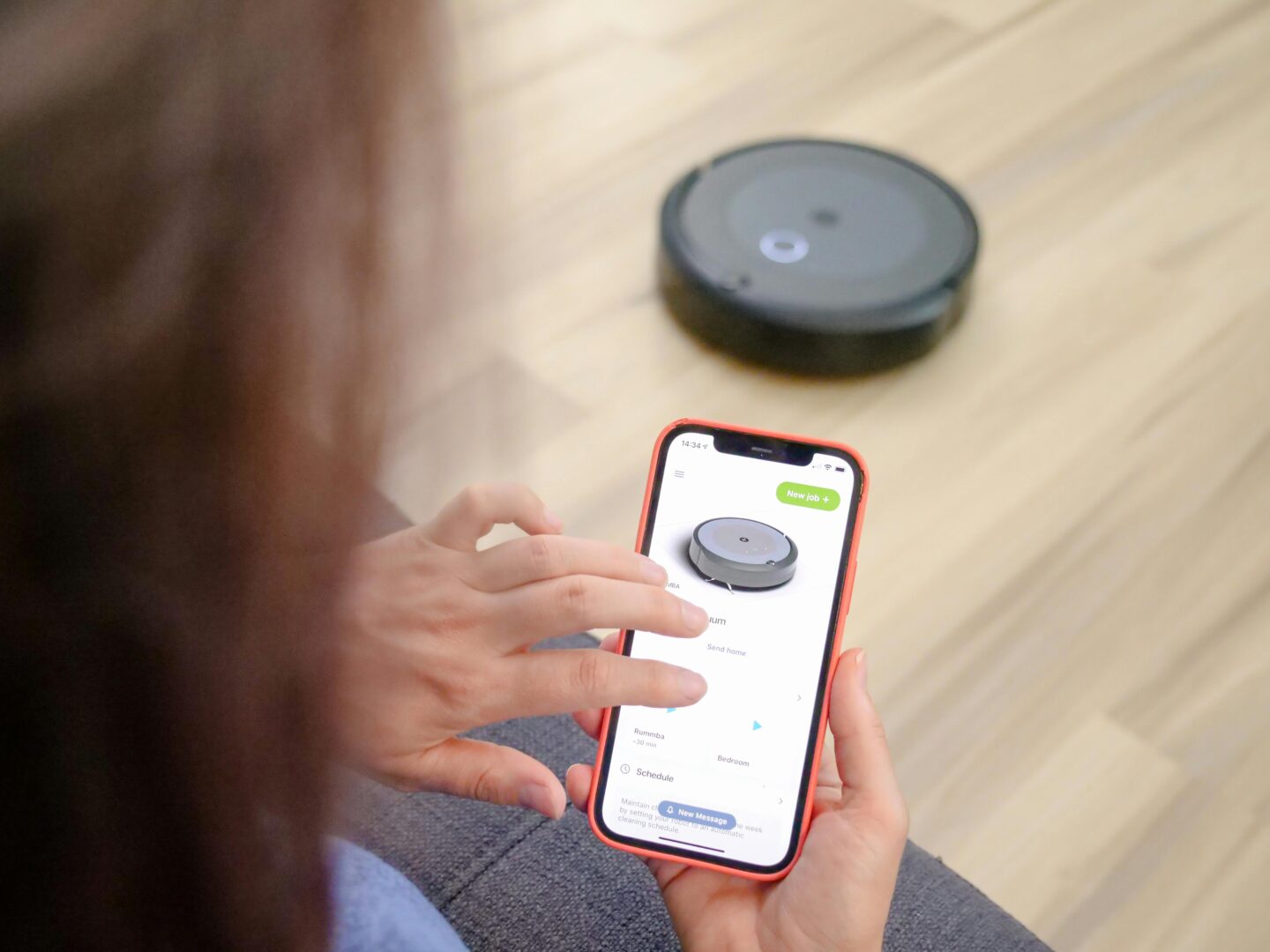
The concept of smart homes has become increasingly popular over the past few years, driven by advancements in the Internet of Things (IoT). IoT technology has revolutionized the way we interact with our living spaces, allowing for seamless integration between devices, systems, and appliances. From smart thermostats to voice-controlled assistants, IoT enhances convenience, security, and energy efficiency within our homes. In this article, we will explore how IoT is changing how we live and how these innovations shape the future of smart homes.
The Rise of Smart Homes
The idea of the smart home is not entirely new, but the rapid development of IoT technology has made it more accessible and practical than ever before. Smart home devices are now widely available, with leading brands offering a variety of options for consumers to choose from. These devices can connect to a central hub, often a smartphone or voice-activated assistant, allowing users to control various aspects of their home remotely.
One of the most common uses of IoT in smart homes is home automation. For instance, smart thermostats like the Nest Thermostat can learn a homeowner’s preferences and adjust the temperature based on their schedule, optimizing energy use and reducing costs. Similarly, smart lighting systems such as Philips Hue allow homeowners to control their lights with a simple voice command or mobile app, adjusting brightness and color to suit any occasion.
Smart security systems are another key feature of IoT-enabled homes. Devices like Ring doorbells and smart locks provide real-time video feeds and remote access, allowing homeowners to monitor their property and grant access to visitors even when they are not at home. These devices can also send notifications to your phone, enhancing the security of your home and providing peace of mind.
The Role of IoT in Improving Energy Efficiency
One of the most significant benefits of IoT in smart homes is its ability to improve energy efficiency. Smart devices can help homeowners monitor and manage their energy usage, leading to lower utility bills and a smaller environmental footprint.
For example, smart appliances such as energy-efficient refrigerators, washing machines, and dishwashers are designed to use less energy while still performing at a high level. Many of these devices can be controlled remotely, allowing users to schedule operation times for when electricity rates are lower, further reducing energy costs.

IoT and Entertainment: A New Era of Connected Living
Beyond convenience and efficiency, IoT is also transforming how we experience entertainment at home. With smart TVs, connected sound systems, and streaming devices, IoT makes it easier for homeowners to enjoy seamless entertainment experiences. These devices can be controlled via voice or smartphone, allowing users to switch between channels, adjust volume, or play music without ever leaving their seats.
Even the gaming industry is benefiting from the rise of smart home technologies. IoT-enabled gaming devices, such as smart game consoles or interactive gaming systems, allow for enhanced experiences that integrate seamlessly into the connected home ecosystem. The ability to control lighting and other elements of the environment while gaming creates a more immersive experience for players.
Interestingly, even blackjack and other card games have embraced this trend. Online casinos and gaming platforms are integrating IoT technologies to create more immersive and interactive gaming experiences. Players can enjoy blackjack games on their mobile devices, while IoT-powered smart home features like voice assistants enable hands-free controls during gaming sessions. For example, a smart speaker could change the room’s lighting to create the perfect casino atmosphere or adjust the music while playing online slots. This integration of IoT into the gaming experience allows players to immerse themselves in the action like never before.
The Future of Smart Homes: What’s Next?
The future of smart homes looks incredibly promising as IoT technology continues to evolve. We are likely to see even more advanced integrations of smart devices, offering homeowners greater control over their living spaces. Future developments may include predictive AI that can anticipate a user’s needs, such as adjusting the lighting or temperature before they even step into a room. Additionally, 5G technology will further enhance the capabilities of IoT devices, offering faster speeds and more reliable connections.
Conclusion
The impact of IoT on the smart home revolution is undeniable. As technology continues to advance, we can expect even more sophisticated devices that offer greater convenience, efficiency, and security. From smart thermostats and voice-controlled assistants to connected entertainment systems and gaming innovations, IoT is transforming the way we live and experience our homes. As we continue to embrace smart home technologies, it’s clear that the future of living will be more connected, efficient, and immersive than ever before.
Thank you for reading.







