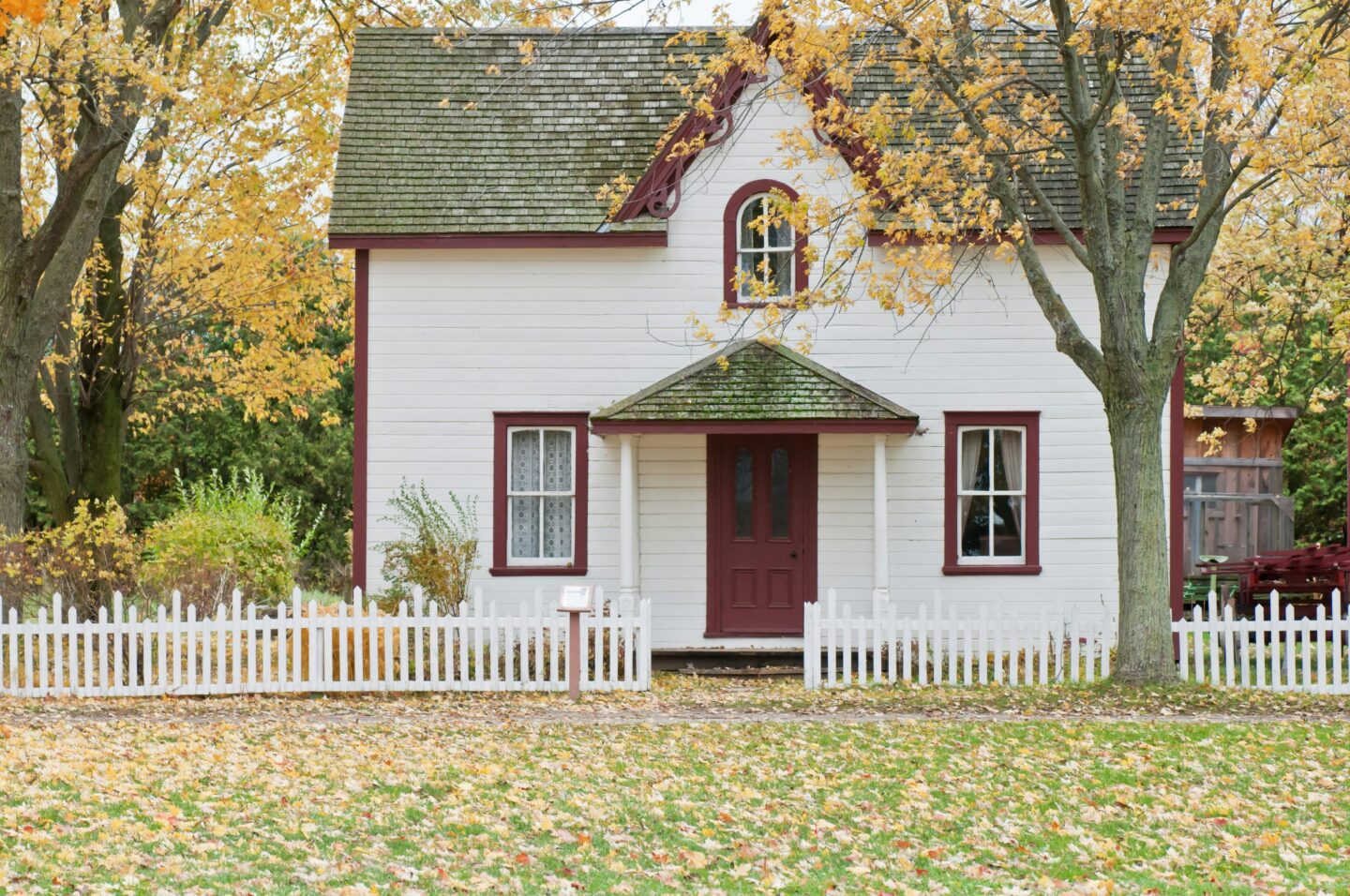
Subsidence is a word that all homeowners dread hearing. It means that there is a serious problem with the ground beneath your property which will have significant repercussions for the structural safety, stability and value of your home.
Tree Roots
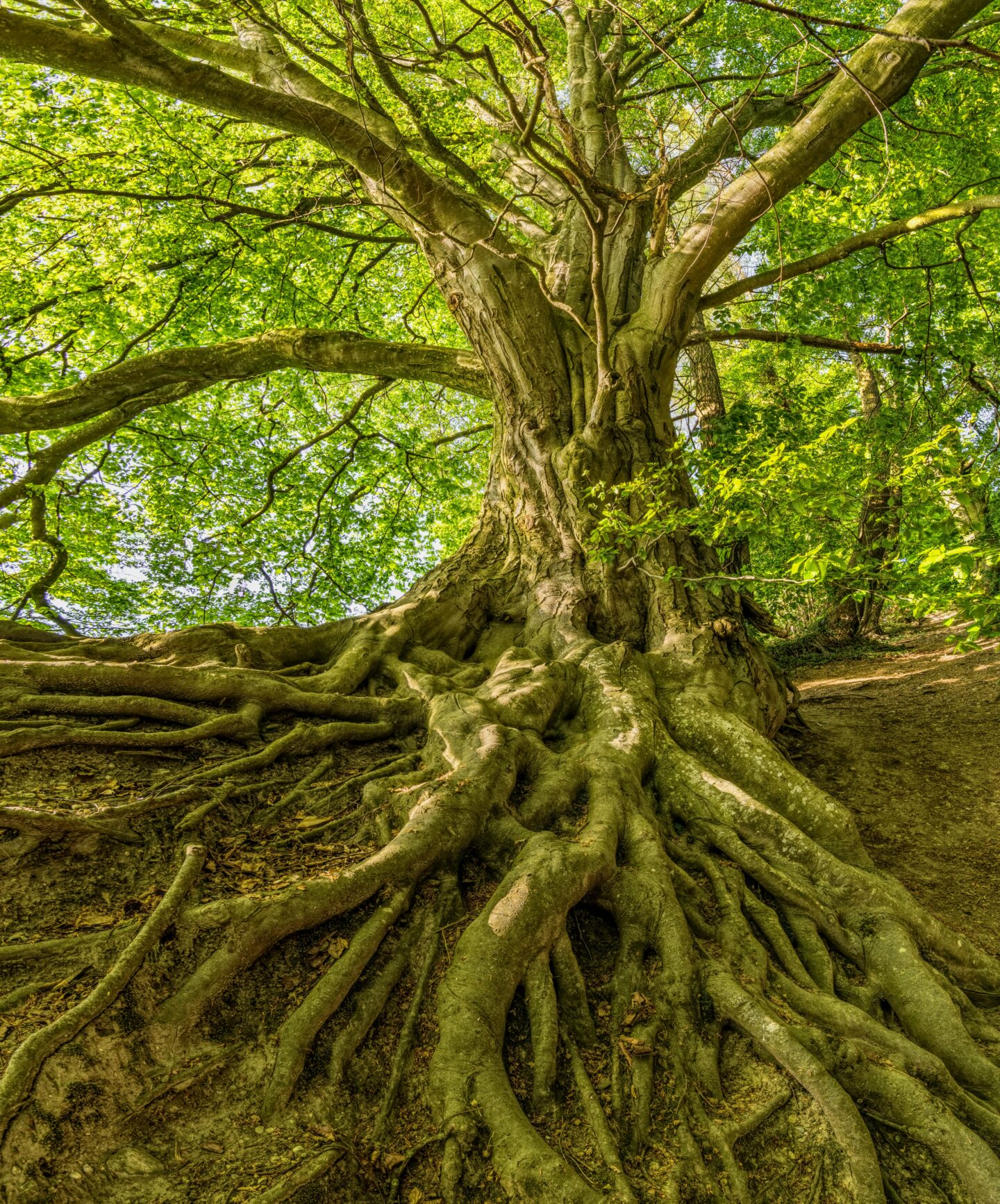
Tree roots are a common cause of subsidence, particularly oak, ash, willow, sycamore, poplar and plane. The roots of the trees drain moisture from the soil and cause it to shrink. If you have several large trees close to your home the risk of subsidence is greater. In times of drought, the threat increases as the trees send out more roots and remove any available moisture from the soil.
If you believe tree roots are causing subsidence in your property you will need to speak to a professional tree service in Bellingham to have it removed. Tree felling costs will depend on the size and number of trees and the complexity of the job. Some trees may have a Tree Preservation Order which prevents them from being felled. You should always check before removing a tree even if you suspect it is causing subsidence in your property as you could be breaking the law by cutting it down.
Soil Type
The type of soil that your house is built on can cause subsidence. Clay soil is very porous and capable of absorbing large amounts of water. This absorption causes the ground to swell, an action called heave. In the summer if the weather is dry and hot the clay soil dries out, shrinks and the volume of soil is reduced causing the foundations of the building to subside.
Soil that is comprised of sand and gravel can also cause subsidence particularly if there is a water leak beneath the property. As a non-cohesive soil sand and gravel don’t absorb water as much as clay but moving water will wash it away which can lead to the foundations of the house subsiding.
Escape of Water
Leaking drains or gutters, burst pipes or flooding can cause subsidence. If the soil beneath your home is sand and gravel the moving water can wash it away from the foundations of the building. Clay soil will absorb the excess water and the saturated soil will heave, causing the house to rise.
Some older properties such as those built in Victorian or Edwardian times have quite shallow and simple foundations. The effect of water on the soil beneath can have a more significant impact on these properties. If you have subsidence in your property and have no large trees growing nearby it may be due to a leak beneath your property or the result of broken drains or guttering.
Mines or Quarries
Depending on the area you live in there may be old mines beneath the property which can cause subsidence. This is something for homebuyers to check as part of their property search and can alert you to the possibility of historic mining being a threat to the foundations of your house.
The earth in these areas has likely been weakened by decades of excavation or even collapsing mines. It is possible to do an online search via the Coal Authority to cover risk factors such as subsidence for properties that may be affected by historic mining. Quarrying also involves mass excavations of soil so this is another potential cause for subsidence. Old quarry pits which have been filled in and built on may experience decomposition of the fill which results in subsidence of any buildings overhead.
Thank you for reading.







