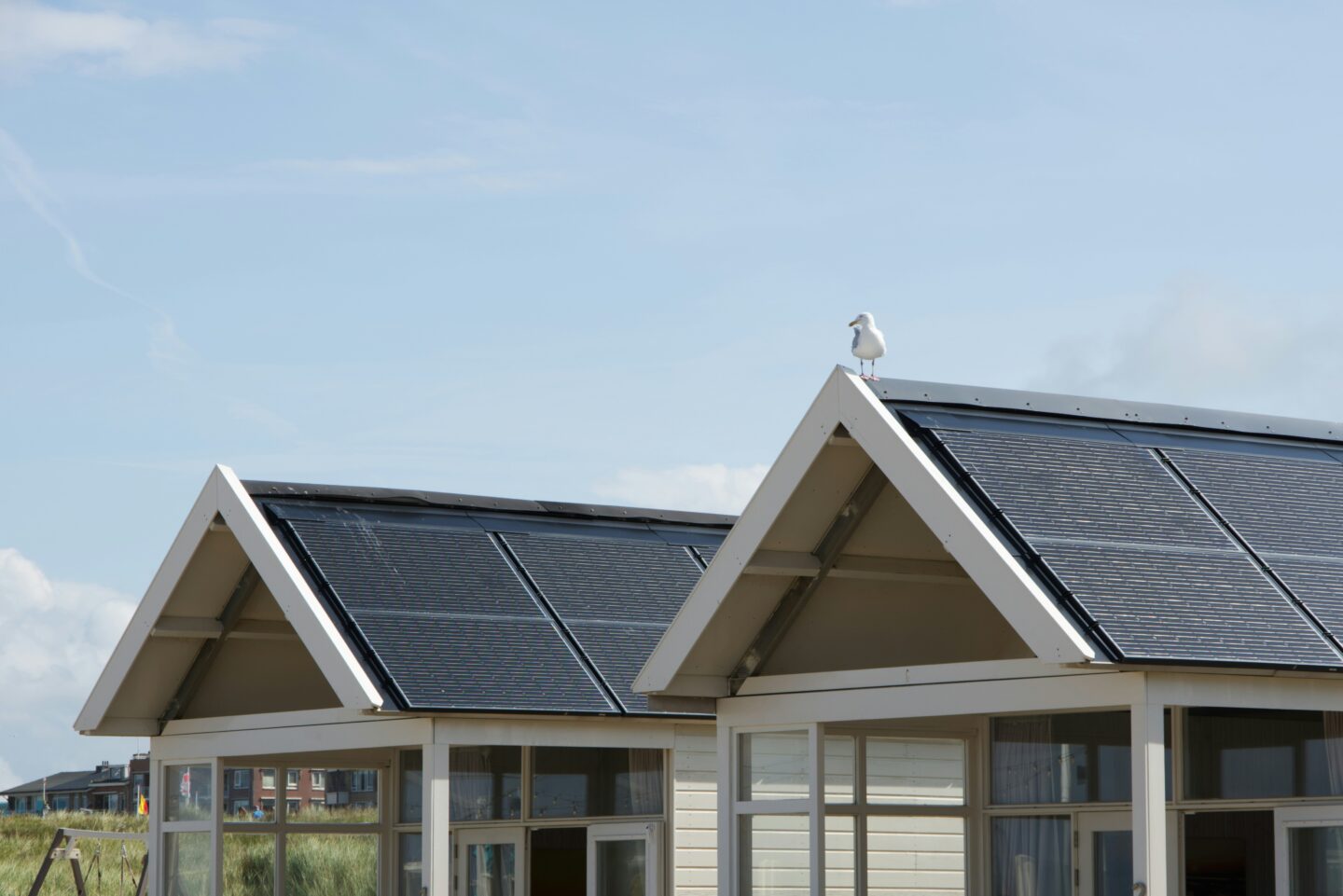
Eco-friendly home upgrades offers a unique opportunity for Syracuse homeowners to not only contribute positively to the environment but also to enhance their property’s value in a market that’s increasingly attentive to sustainability. Implementing green improvements can significantly impact your home’s market appeal and long-term savings. Whether you’re located in a historic neighborhood or part of a burgeoning suburb, the decision to go green is becoming an essential consideration for Syracuse residents.
The regional climate, with its distinct seasons, presents specific challenges and opportunities for eco-friendly home upgrades, making it all the more important to choose improvements that not only reduce your carbon footprint but also cater to the local environment. This article aims to guide Syracuse homeowners through budget-friendly updates that promise not only to green their living spaces but also to navigate the local real estate landscape smartly. By investing in eco-friendly home upgrades, Syracuse homeowners can enjoy the dual benefits of contributing to a healthier planet and enhancing their home’s value in a competitive market.
Start Small: Swap Out Your Lightbulbs
One of the easiest and most cost-effective steps toward an eco-friendly home is replacing incandescent light bulbs with LED or CFL bulbs. This simple swap can significantly reduce your home’s energy consumption and utility bills. LEDs, for instance, use at least 75% less energy and last 25 times longer than traditional incandescent lighting. It’s a small change with a big impact on both your energy footprint and your finances.
Enhancing Home Efficiency with Energy-Efficient Windows
Upgrading to energy-efficient windows is a more substantial investment that can dramatically improve your home’s insulation and reduce energy costs over time. Syracuse window installation experts recommend looking for windows with the ENERGY STAR rating to ensure maximum efficiency. These windows not only help maintain a comfortable indoor temperature year-round but also contribute to lowering heating and cooling expenses. While the initial cost may be higher, the long-term savings and environmental benefits are well worth it.
Seal and Insulate: A Key to Energy Savings
Poor insulation and air leaks can lead to significant energy waste. Inspecting your home for leaks and investing in good quality insulation can dramatically improve energy efficiency. Focus on areas like attics, basements, and around windows and doors. Simple fixes like weather stripping and caulking around windows and doors are affordable and can be effective DIY projects that make a noticeable difference in your home’s energy consumption.
Invest in Low-Flow Water Fixtures
Water conservation is a crucial aspect of an eco-friendly home. Installing low-flow toilets, showerheads, and faucets can significantly reduce water usage without sacrificing performance. These fixtures are designed to use water more efficiently, cutting down on your water bills and conserving a vital resource. Many are surprisingly affordable and easy to install, making them an ideal project for homeowners looking to make eco-friendly updates on a budget.
Embrace Smart Home Technology
Smart home technology offers an innovative way to enhance your home’s energy efficiency. Smart thermostats, for example, adjust your home’s temperature based on your habits and preferences, reducing wasted energy. Similarly, smart lighting systems can be programmed to turn off automatically when not in use. Though smart devices might require an initial investment, the convenience and energy savings they provide can quickly offset the cost.
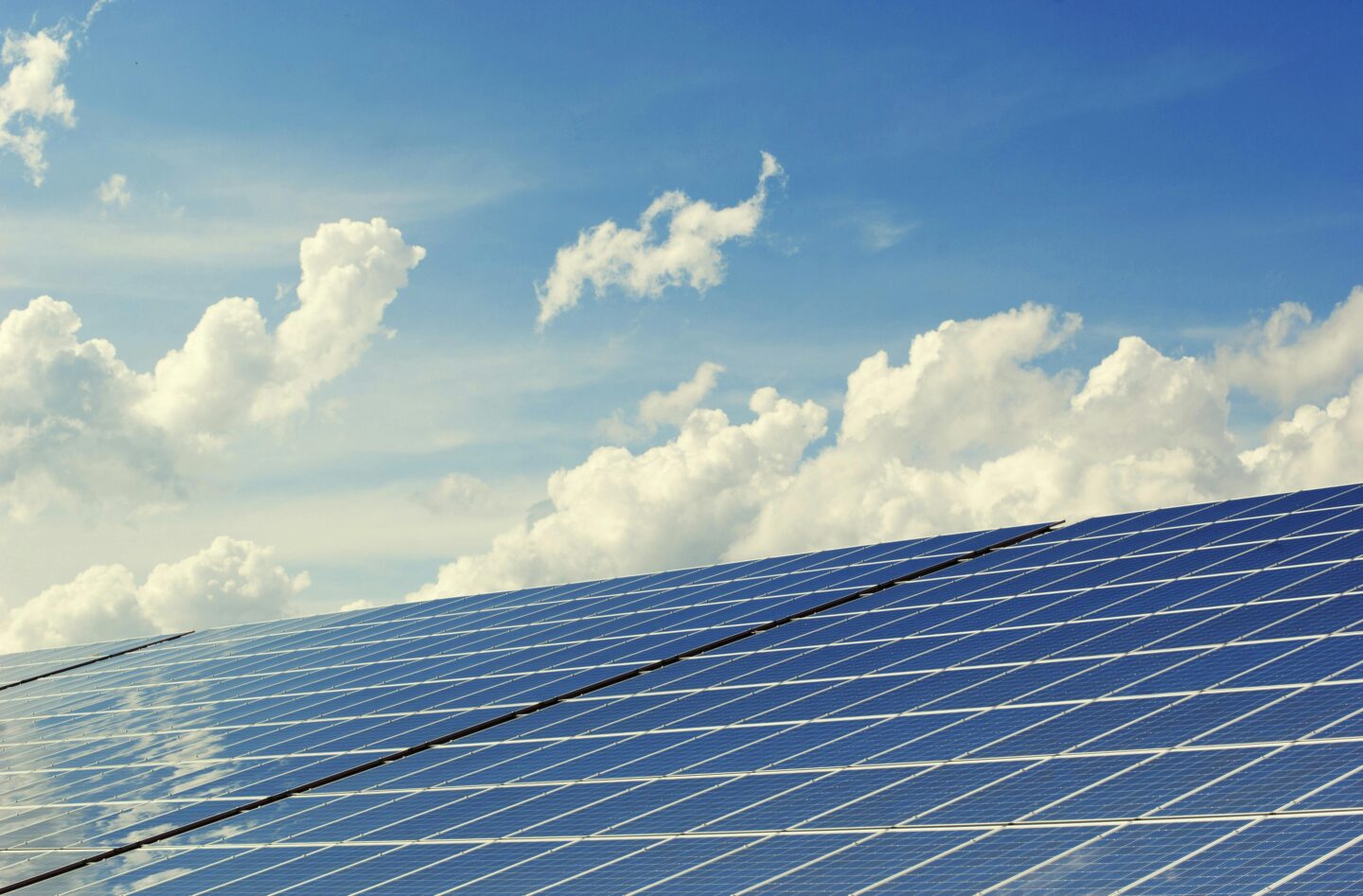
Harness the Power of Solar Energy
Incorporating solar panels might seem like a hefty investment initially, but the long-term savings on electricity bills and the potential for tax incentives make it a financially savvy choice. Solar energy harnesses the sun’s power, offering a clean, renewable energy source for your home. With various financing options and government rebates available, transitioning to solar power has become more accessible for homeowners looking to reduce their carbon footprint.
Choose Sustainable Materials for Home Improvements
When it comes time for renovations or updates, opting for sustainable materials can make a big difference. Reclaimed wood, bamboo flooring, and recycled metal or glass are eco-friendly choices that offer durability and a reduced environmental impact. Not only do these materials add unique character and beauty to your home, but they also support sustainable practices in the industry.
Plant a Garden and Consider Composting
Creating a garden is a green initiative that beautifies your space while contributing to biodiversity. Whether it’s a vegetable garden that reduces the need for store-bought produce or a flower garden that supports pollinators, gardening is an eco-friendly endeavor with tangible benefits. Additionally, starting a compost bin for organic waste can enrich your soil and reduce landfill waste, closing the loop on your home’s ecological footprint.
Implement Rainwater Harvesting
Collecting and using rainwater for irrigation and other non-potable water uses can significantly reduce your water consumption. Rainwater harvesting systems can be simple to set up and manage, making them a cost-effective solution for eco-conscious homeowners. This practice not only conserves water but also decreases runoff pollution, contributing to healthier local waterways.
Adopt a Minimalist Approach
Embracing minimalism in your home doesn’t just reduce clutter—it can also lead to a more sustainable lifestyle. By focusing on quality over quantity, purchasing fewer but better-made items, and repurposing or donating goods instead of discarding them, you contribute to a culture of sustainability. This approach minimizes waste and encourages a more mindful way of living that’s in harmony with eco-friendly principles.
Conclusion: Every Step Counts
Embarking on the journey to make your home more eco-friendly is a commendable endeavor that pays dividends for the planet and your pocketbook. Starting with small, manageable changes and gradually implementing larger updates allows you to transform your living space into a model of sustainability without overwhelming your budget. Each action, no matter the scale, contributes to a larger movement toward environmental stewardship and a healthier planet.
As we’ve explored, going green at home encompasses a range of practices, from energy-efficient upgrades to adopting a more sustainable lifestyle. By making informed choices and seeking out eco-friendly alternatives, homeowners can play a pivotal role in the global effort to mitigate climate change. Remember, creating an eco-friendly home is a journey that doesn’t have to be expensive or daunting. With each step, you’re building a better future for yourself and generations to come.
Thank you for reading.







