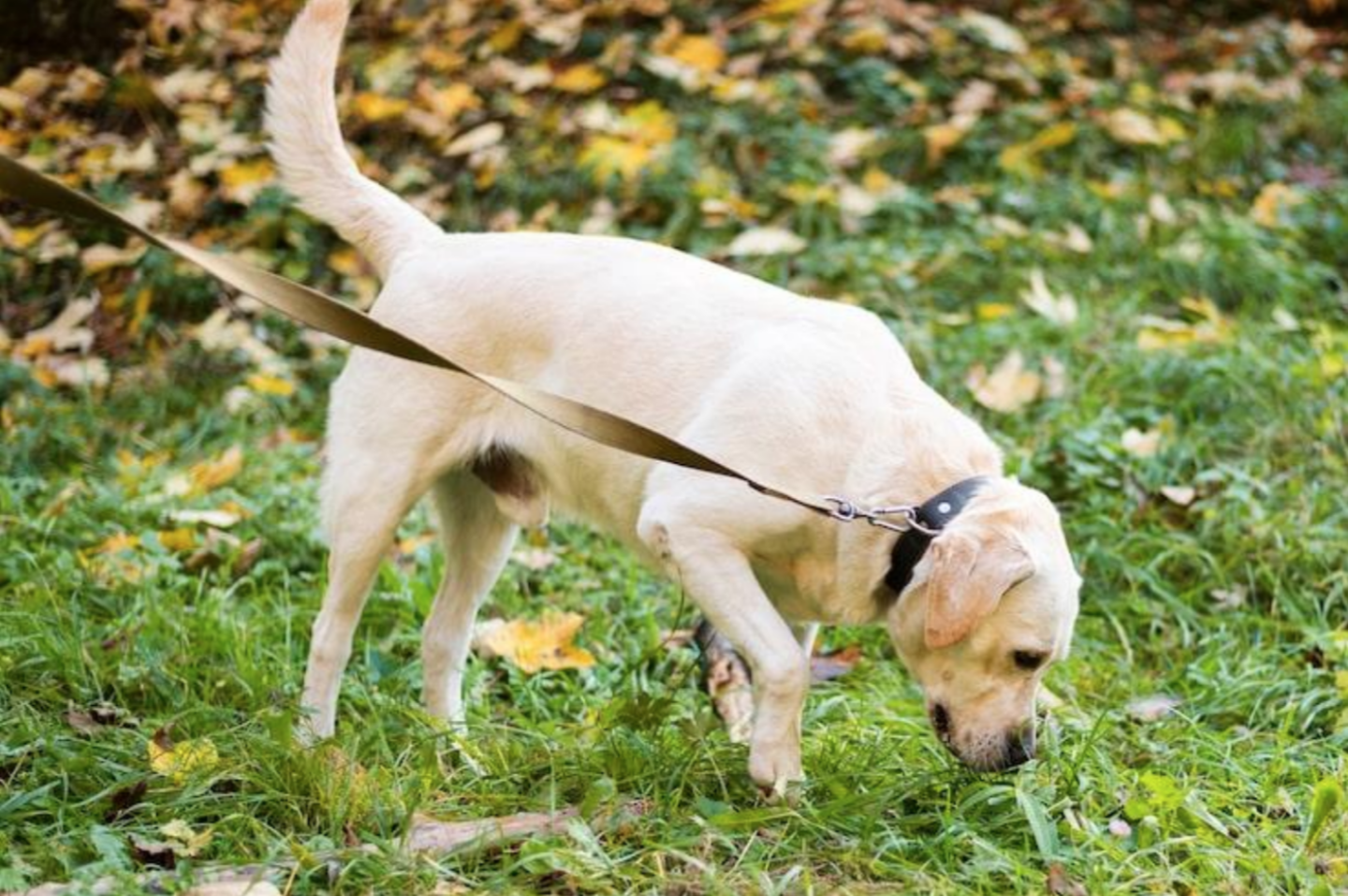
San Diego is the second largest city in California, located on the Pacific coast just north of the Mexican border. Its climate stays mild and dry for most of the year, while the landscape changes from beaches and canyons to mesas and mountains. With busy public spaces such as Balboa Park attracting crowds, dogs, and plenty of distractions, many owners need training that helps their dogs stay focused in different environments.
This is where scentwork can make a difference. Scentwork teaches dogs to identify a specific target odor and clearly signal when they find it, while also developing odor recognition, independent problem solving, impulse control, a reliable trained alert, and confidence in unfamiliar spaces. These skills can support better everyday behavior, giving dogs a structured way to focus even when their surroundings are busy or distracting.
For owners dealing with stressful walks or dogs that struggle to stay focused around people, animals, and new environments, scentwork dog training in San Diego offers a way to turn that natural ability to explore into a structured activity. The training can be practiced across different settings, helping dogs apply the five core skills beyond the classroom and into everyday situations.
1. Recognizing a Specific Target Odor
Competition scentwork uses a small set of essential oils, most often birch, anise, clove, and cypress, placed on a cotton swab and hidden from view. The dog learns that one smell pays and the rest do not. That distinction is the foundation for everything else.
2. Solving Problems Without Being Told
In most training, the handler gives a cue, and the dog responds. Scentwork reverses that, since the dog has information the handler does not have and must work out the source alone. Handlers are taught not to point, steer, or guess. Dogs that get used to figuring things out tend to become steadier in unfamiliar situations away from the search.
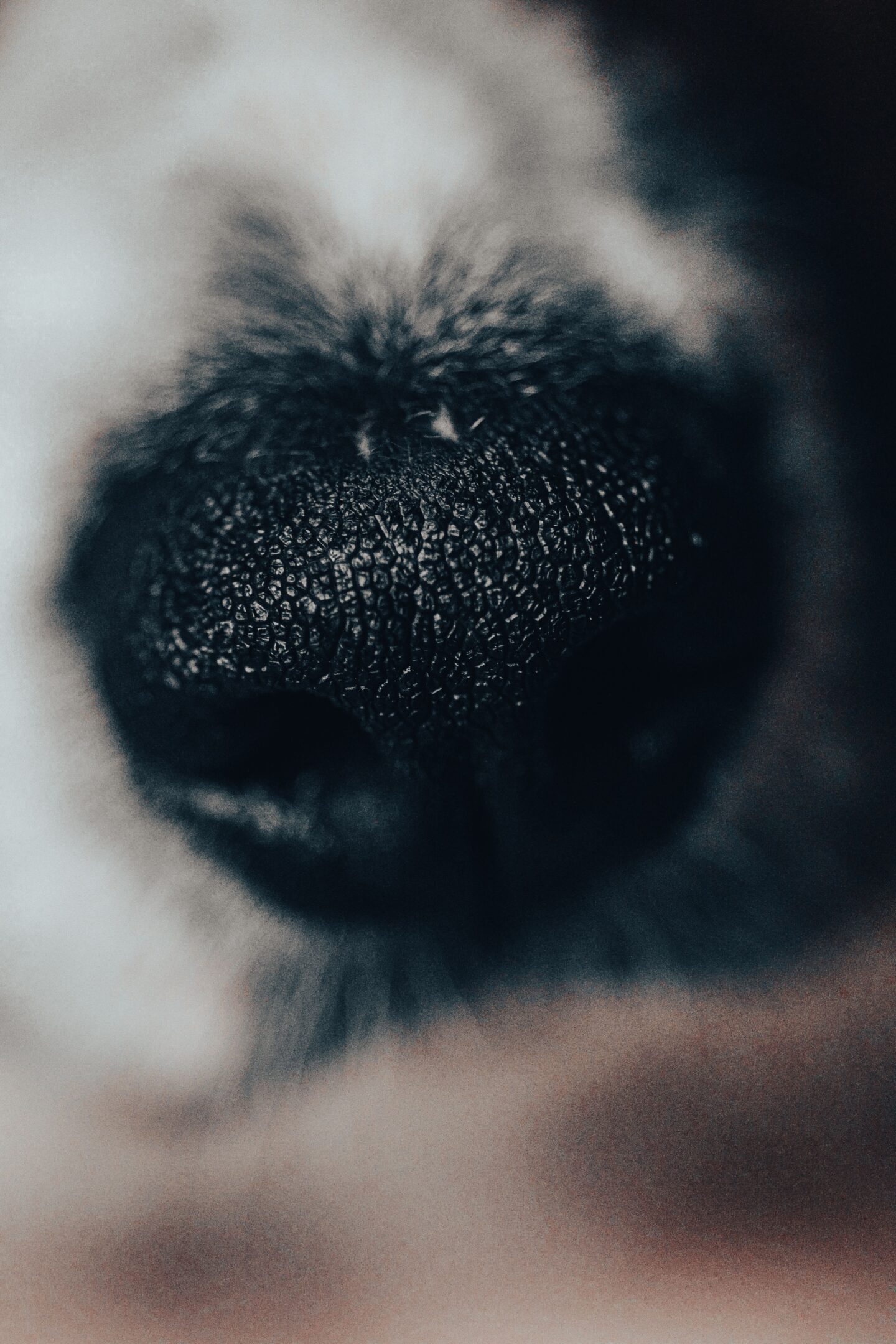
3. Holding Focus Around Distractions
Search areas are set up with things that compete for the dog’s attention, and that is deliberate. A dog staying on task here is practicing the same self-control you want on a sidewalk. Common distractions include:
- Food dropped or hidden near the target odor
- Unfamiliar people standing still or moving nearby
- Toys, novel objects, and strong cleaning smells
- Traffic noise, wind, and other dogs
4. Signaling the Find Clearly
A dog that finds the odor but cannot communicate it has done half the job. Trainers shape one consistent behavior at the source, usually a sit, a freeze, or a nose that stays put.
Why Consistency Matters
A clear alert removes guesswork. Without one, people call it in early, reward the wrong moment, and teach the dog that close enough is good enough.
What the Handler Learns
Reading small changes in tail, ears, and breathing takes practice. Much of the handler’s training is learning to see what the dog is already saying.
5. Working in New and Changing Environments
Searches occur in various locations, including containers, rooms, outdoors, and vehicles, so the dog learns that the task remains the same, regardless of the setting. That flexibility makes the skill useful outside class.
Does It Help Nervous Dogs?
Often, yes. Sniffing is self-directed and low pressure, so a nervous dog explores a new space with a task instead of an audience.
Key Takeaways
- Scentwork dog training in San Diego trains a dog to find one target odor and signal it clearly.
- Competition odors are usually birch, anise, clove, and cypress on a cotton swab.
- The dog leads the search, which builds independent problem-solving.
- Distractions are added on purpose to develop focus and impulse control.
- A consistent alert stops handlers from guessing or rewarding too early.
- Rotating environments keeps the skill portable rather than tied to one room.
Thank you for reading.