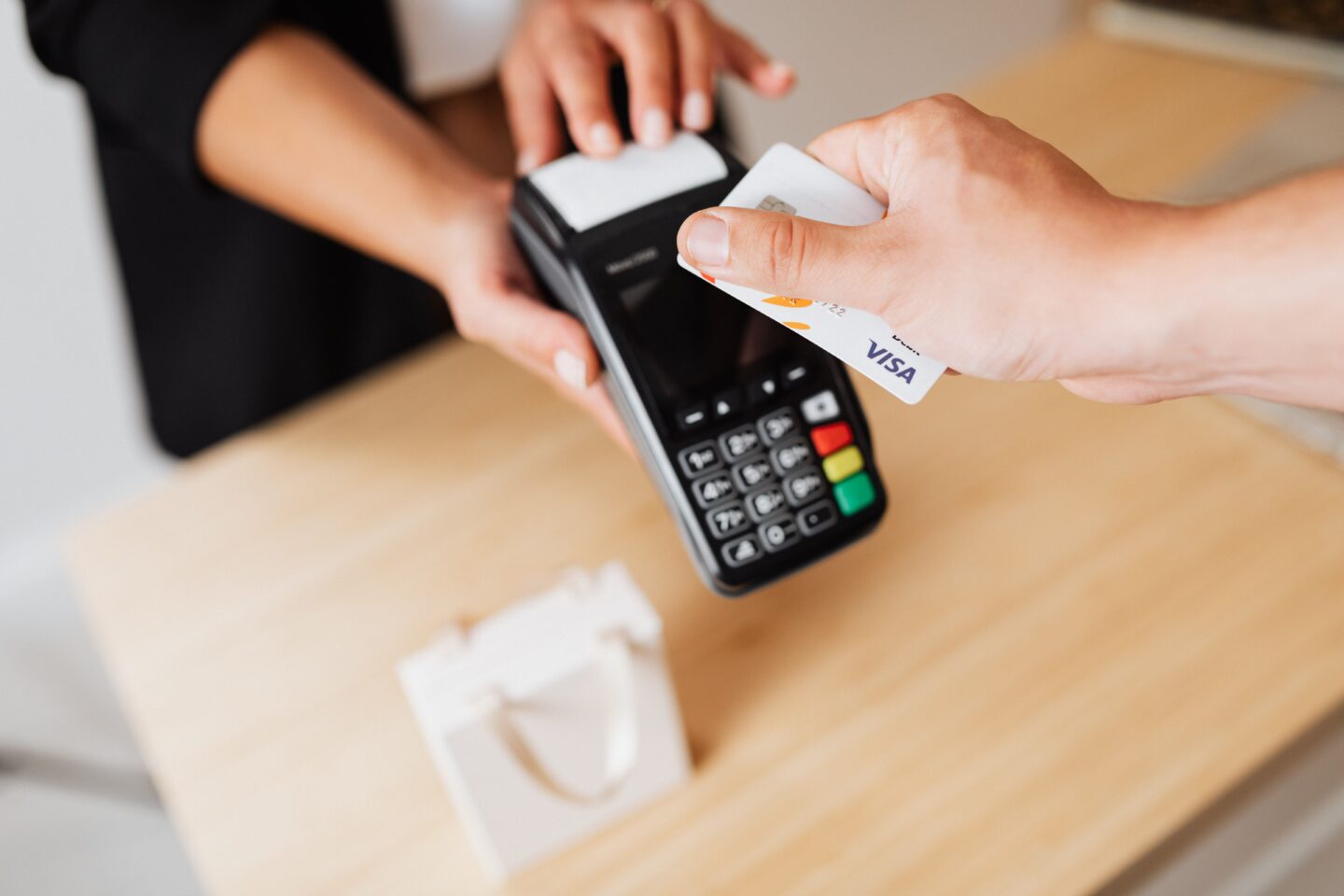
A credit card can be a powerful financial ally when used the right way. It can make monthly budgeting and expense monitoring easier, allow flexible payments through installment plans, and provide rewards that can boost the value of each purchase.
That said, the real benefit of credit card ownership stems from maintaining healthy credit card habits month after month. From staying on top of your due date to planning your purchases around your billing cycle, these simple strategies help you get the most value after your credit card online application and take control of your finances. Below, let’s walk through what smart credit card use can look like over the course of a typical month and examine how responsible habits fit into different stages of the billing cycle.
Starting the Month by Reviewing Your Statement and Due Date
For responsible credit card users, a new billing cycle often begins with reviewing the most recent credit card statement. This step helps you understand how much you spent during the previous cycle while reminding you of the balance that needs attention. When you look over the list of transactions, you can also confirm whether every charge is accurate and authorized. If something looks unfamiliar, reporting it promptly gives the card issuer a better chance of resolving the issue quickly.
Check your statement regularly to stay updated on the payment due date. Missing this date can lead to late fees and may affect your credit standing. Many cardholders avoid this by setting reminders or enabling automatic notifications through their bank’s mobile app. Start the month with this quick review to help establish a routine of staying informed about your account activity.
Planning Your Spending Around the Billing Cycle
When you understand how your billing cycle works, it can be easier to manage credit card spending. The billing cycle represents the period during which your purchases are recorded before a statement is generated. Knowing when this period starts and ends allows you to see how new purchases will affect the balance that appears on your next statement. This awareness helps you maintain a clearer picture of your monthly spending and allows you to time your purchases effectively.
Additionally, planning purchases around the billing cycle can support better budgeting. When you connect your credit card use to a predictable schedule, it becomes easier to monitor how each purchase fits within your financial plan. Instead of charging items without a strategy, you can align your spending with your expected income and expenses for the month.
Keeping an Eye on Your Balance Throughout the Month
Smart credit card users don’t wait until the statement arrives to check their balance. Online dashboards and mobile banking apps like that of Maya allow cardholders to view transactions shortly after they occur. Taking advantage of these tools helps you stay aware of how much of your credit limit is currently being used.
Likewise, regular balance checks help prevent overspending. When you keep track of your account activity throughout the month, you can make adjustments if your balance starts to climb higher than expected. Monitoring your balance also supports healthy credit utilization, which is the percentage of available credit that you are using at a given time.
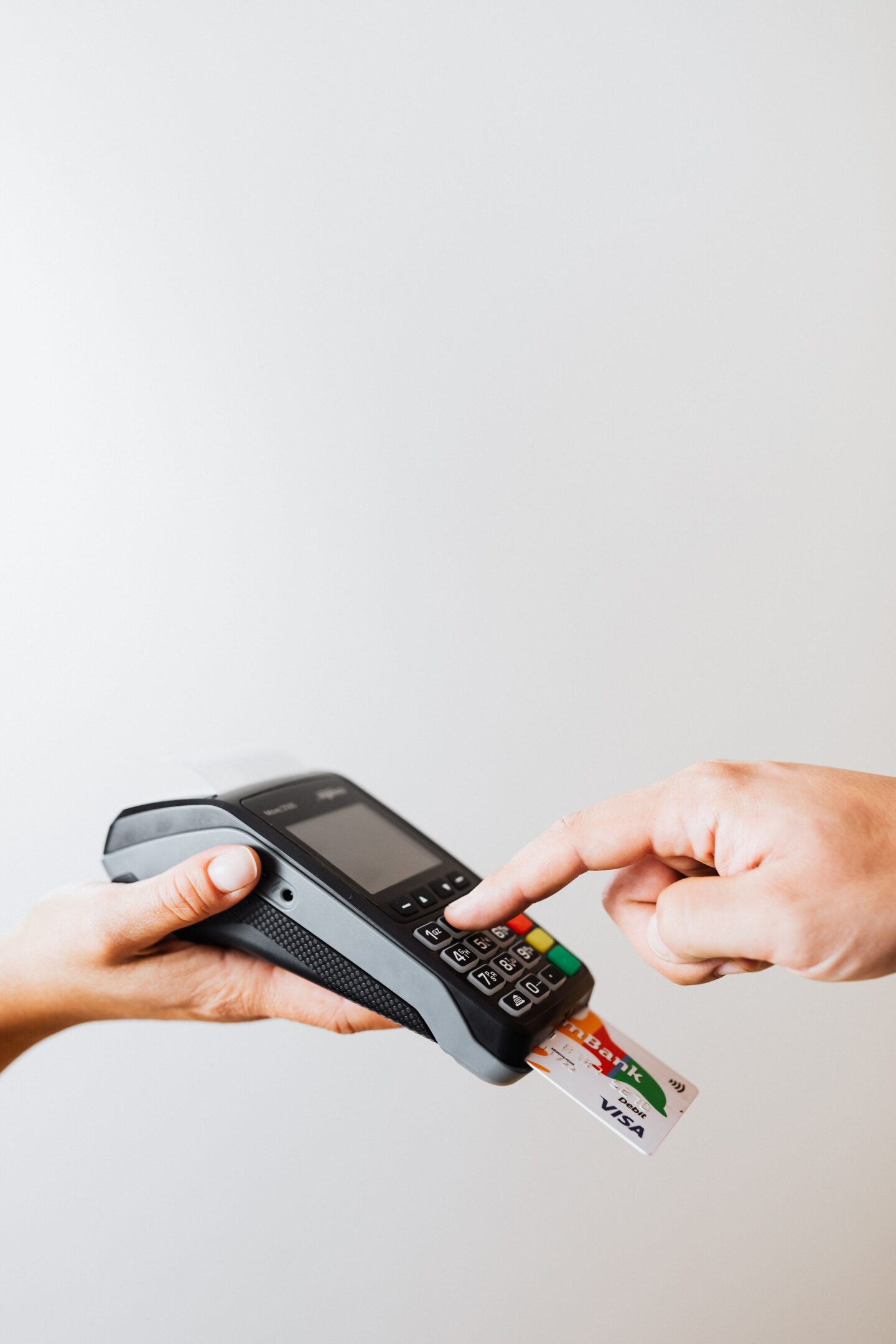
Using Your Card for Planned Purchases Rather Than Impulse Spending
One of the core habits in smart credit card use is treating the card as a payment tool rather than a source of extra funds. Disciplined cardholders often choose to use their credit cards for purchases that are already part of their budget. This might include regular expenses such as groceries from Landers Superstore if you have a card like the Landers Cashback Everywhere Credit Card by Maya.
In addition, using a credit card for planned expenses makes it easier to stay on track financially. Because the purchases were already anticipated, the money needed to pay the balance is usually available when the statement arrives. This habit also allows cardholders to leverage rewards programs without increasing their risk of accumulating debt.
Preparing for Payment Before the Due Date Arrives
As the due date approaches, responsible credit cardholders take steps to prepare for bill payment. This often begins with reviewing the statement balance and confirming that enough funds are available to cover the payment. When you prepare ahead of time, you avoid last-minute stress and reduce the risk of forgetting the deadline.
Paying the full statement balance whenever possible helps prevent interest charges on purchases. You might consider scheduling payments in advance through your online banking portal to ensure the bill is handled on time. Establishing a consistent payment routine supports long-term financial stability while protecting your credit profile.
Smart and responsible credit card use relies on sound financial habits practiced throughout the month. By tracking credit card purchases, planning monthly spending, understanding your billing cycle, and staying aware of balances and due dates, credit cardholders can manage their monthly budgets effectively while avoiding any unnecessary charges that can impact their overall finances. These simple but impactful steps, when practiced consistently, will allow you to use your credit card strategically, all so that you can maintain a strong financial standing this month and beyond.
Thank you for reading.