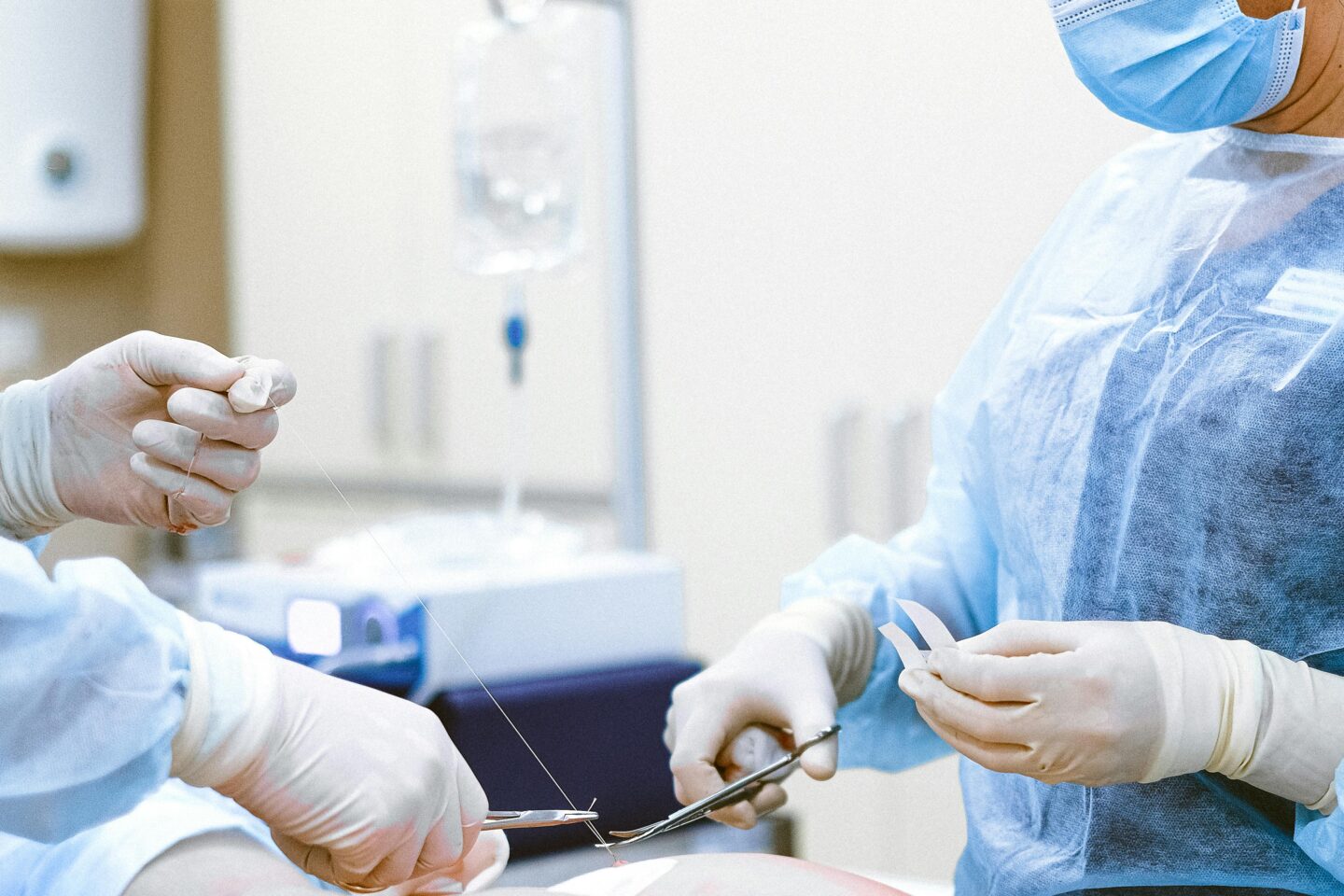
Surgery has always been a difficult endeavour. It calls for extreme concentration, surgical expertise, and a flawless mix of tools and cooperation. Surgical treatments have become more complicated, including new imaging technologies, robotic help, and minimally invasive techniques, which have also increased the requirement for simplicity in practice. Paradoxically, invention is what is bringing simplicity back now. The correct instruments can assist surgical teams in concentrating on what counts most: providing exact and efficient treatment, minimising commotion, and stopping problems.
The retractor for surgery is one such gadget developed with this aim in mind. Once regarded as simple and merely practical, this basic tool has been re-engineered to fit the increasing needs of modern operating rooms. Modern retractors are purpose-built for adaptability, comfort, and stability rather than depending on manual tension or continuous adjustment. Their function in preserving exposure and maintaining the operating field helps lower surgical complexity by more efficiently managing obstacles rather than removing them.
The strength of easy access
Limited access to the target area is among the most important obstacles to surgical effectiveness. Poorly controlled tissue tension or compromised vision might lengthen the procedure, heighten the error risk, and exhaust the surgical team. Retractors made with self-retaining and adjustable mechanisms eliminate the necessity for continuous manual adjustment. This hands-free support gives surgeons constant access, allowing them to work more confidently and consistently, even in demanding situations.
Simplified access is especially vital in operations involving small incisions or deep anatomical areas. Whether in orthopaedic, cardiovascular, or oncologic surgery, retractors with flexible armatures and customisable blades can be modified to fit the particular needs of every case. This customisation not only helps the accuracy of the operation but also minimises needless tissue manipulation, hence lowering trauma and enhancing recovery times.
Tools that enhance team synergy
Smoother processes are more than simply handy in a setting where every second matters; they are absolutely necessary. Tools that seamlessly fit into a surgical team’s routine help to eliminate confusion, lower the risk of mistakes, and boost morale. Nurses and assistants can concentrate on other vital responsibilities when retractors are simple to set up and maintain during the operation. More concentrated functions, improved communication, and a more effective operating rhythm follow from this division of responsibilities.
Furthermore, these improved gadgets are usually ergonomic in design. Lighter materials, better grips, and safe locking systems help relieve the surgical team’s strain. Fatigue is reduced, attention is sharpened, and performance is maintained across longer operations. These small changes show a more general movement towards creating products for the individuals who use them, not only for function.
Simplicity by design
The importance of simplicity has never been clearer in a time when operations are more sophisticated than ever. Tools such as the retractor for surgery show how careful engineering may lower complexity without sacrificing capacity. Modern retractors simplify processes that formerly needed many hands and continuous changes by providing regular exposure, enhancing visibility, and assisting ergonomic function. These developments serve as a reminder that behind every excellent surgeon is a well-designed tool that renders complexity seem reasonable and accuracy seem simple.
Thank you for reading.







