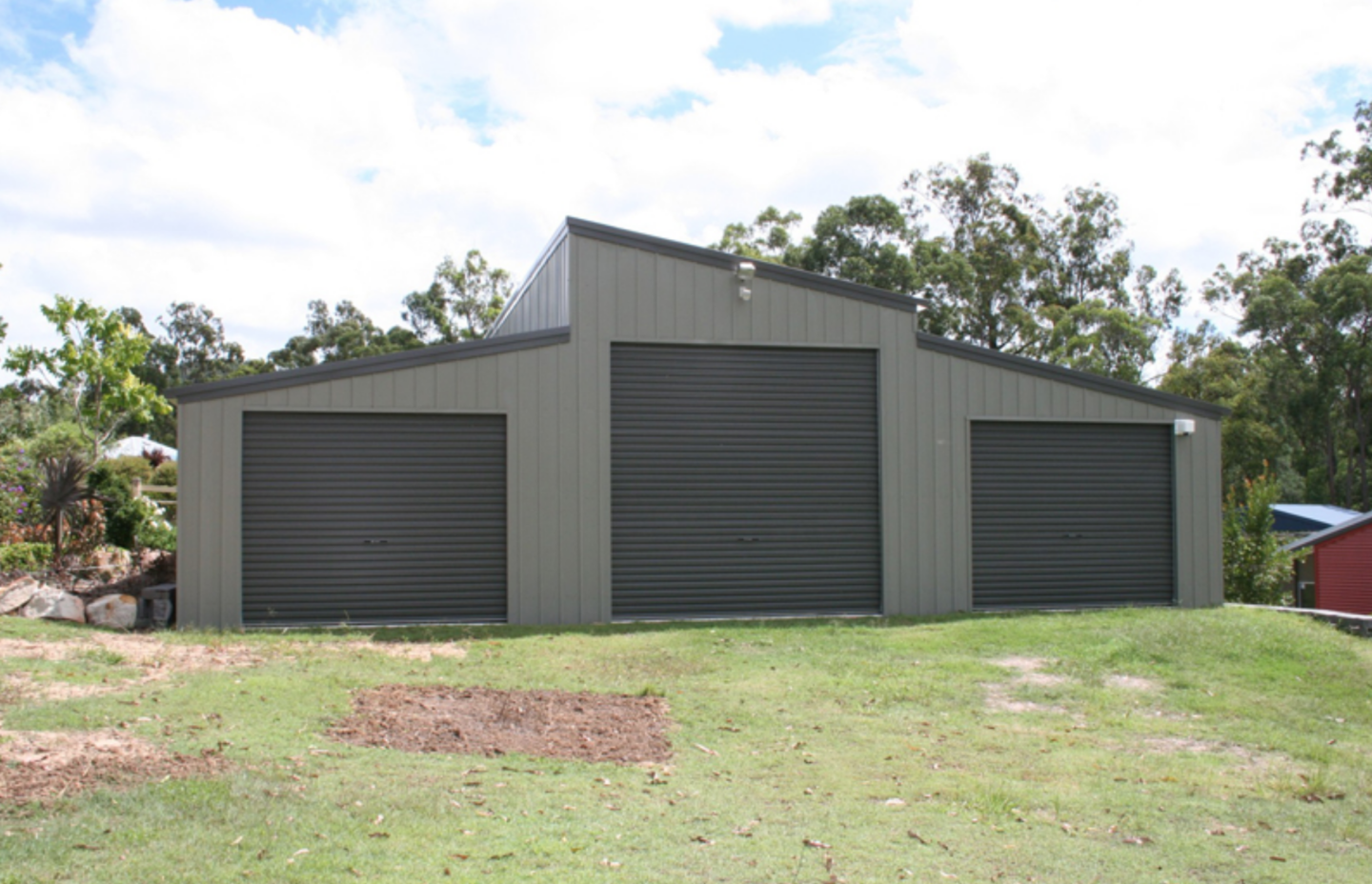
Ever driven past a farm and noticed how the really successful operations all seem to have one thing in common? Solid, well-built sheds dotted around the property. There’s a reason for that.
Primary producers face a constant battle against the elements, equipment failures, and storage nightmares. The difference between thriving and barely surviving often comes down to how well you protect your assets. And honestly, a heavy-duty farm shed isn’t just a nice-to-have anymore – it’s pretty much essential.
The Real Cost of Poor Storage
Picture this: you’ve just invested in a new tractor worth more than most people’s cars. Where are you going to park it? Under a tree? In that rickety old shed that’s seen better decades?
The truth is, leaving expensive machinery exposed to weather is like throwing money into the wind. Rain causes rust, UV rays crack plastic components, and hail can turn a pristine piece of equipment into an insurance claim faster than you can say “storm season.”
But it’s not just about machinery. Feed storage is another headache entirely. One good downpour can ruin tonnes of grain or hay. Suddenly, what seemed like a manageable expense becomes a major financial hit.
What Makes a Shed “Heavy-Duty” Anyway?
Here’s where it gets interesting. Not all sheds are created equal, and the cheap options usually prove expensive in the long run.
A proper heavy-duty farm shed starts with the frame. We’re talking steel that can handle serious wind loads – not the kind of structure that’ll fold like origami in the next big storm. The cladding needs to be thick enough to resist impact damage from hail or flying debris.
The thing is, Australian weather doesn’t mess around. One minute it’s blazing sunshine, the next you’re dealing with cyclonic winds or golf ball-sized hail. Your shed needs to handle whatever gets thrown at it.
Size Matters, But So Does Smart Design
Actually, the biggest mistake producers make is underestimating how much space they’ll need. That combine harvester that seemed manageable suddenly looks massive when you’re trying to squeeze it into an undersized shed.
Smart producers think ahead. They consider not just current needs, but what the operation might look like in five years. Adding onto a shed later is possible, but it’s way more expensive than getting the size right from the start.
Beyond Just Storage
Here’s something people don’t always consider – a good shed becomes a proper workspace too. When you need to service equipment or handle maintenance during bad weather, having a covered area makes all the difference.
Some producers even set up dedicated workshop areas within their sheds. Having everything under one roof – storage, workspace, and weather protection – transforms how efficiently the whole operation runs.
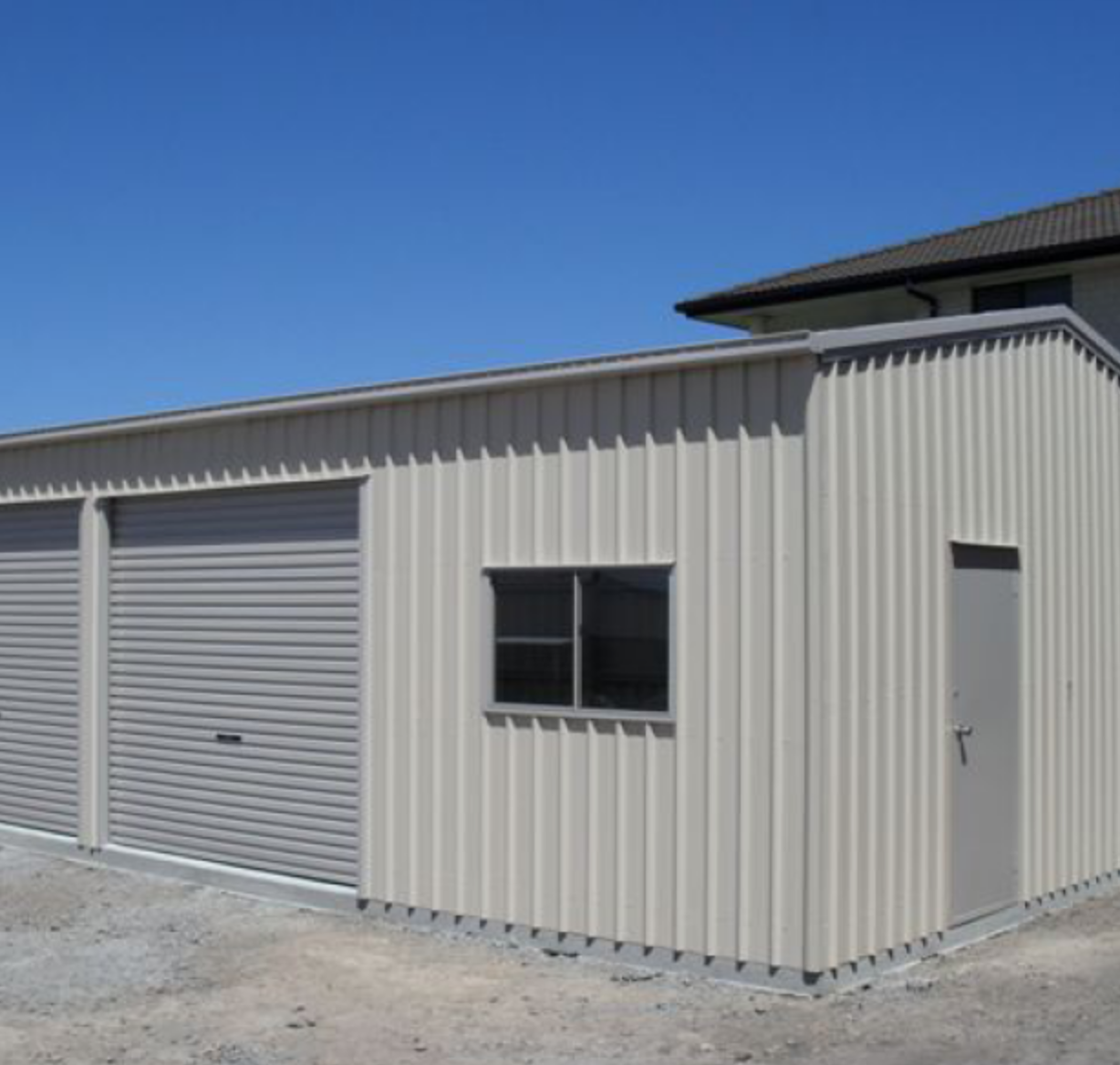
The Investment That Pays for Itself
Look, nobody enjoys spending big money upfront. But when you break down the numbers, a quality shed pretty much pays for itself through equipment protection alone.
Think about it this way: if a shed prevents just one major insurance claim or extends the life of your machinery by a few years, you’re already ahead. Plus, there’s the peace of mind factor. Knowing your assets are properly protected lets you focus on actually running the farm instead of constantly worrying about the next weather event.
If you’re ready to make that investment, you can shop a range of shed kits from Sheds Galore to find something that suits your specific needs and budget.
The bottom line? In farming, protection isn’t optional – it’s smart business. And a heavy-duty shed is one of the smartest investments you can make.
Thank you for reading.







