
Car accidents happen unexpectedly on our roads, bringing about various legal battles and insurance claims. To enable the victims to seek justice and compensation, they must understand the concept of “proximate cause.” This element is crucial in any car accident case because it is central to ascertaining liability. Car accidents are not a new issue in most cities of the US, such as San Mateo.
Since car accidents are common in cities like San Mateo, people should understand the importance of seeking the help of San Mateo car crash attorneys. This article discusses the meaning of proximate cause in car accident cases and its role in litigation.
In a car accident case, proximate cause can be defined as the act or failure to act that is the legal cause of a car accident, resulting in all injuries and vehicle damage. It is essential to note that traffic accidents may have a ‘proximate cause’ and cause in fact.’ The legal fraternity majorly understands these two terms, but to a person with no legal background, it can be confusing; hence, an example can help you understand it better. Help and advice is available, visit their site.
Proximate cause is a concept used in law to determine the link between the defendant’s actions and the resulting injury. In a car accident, its role is to establish whether negligence or a defendant’s actions caused the accident and brought about the victims’ injuries.
To understand the proximate cause, you must first comprehend the concept of causation. In a car accident, causation comprises cause-in-fact and proximate cause. Cause-in-fact ascertains if the accident and its impacts would have happened without the defendant’s actions. On the other hand, proximate cause seeks to determine whether the defendant’s actions were foreseeable. It deals with policy and legal considerations that limit liability.
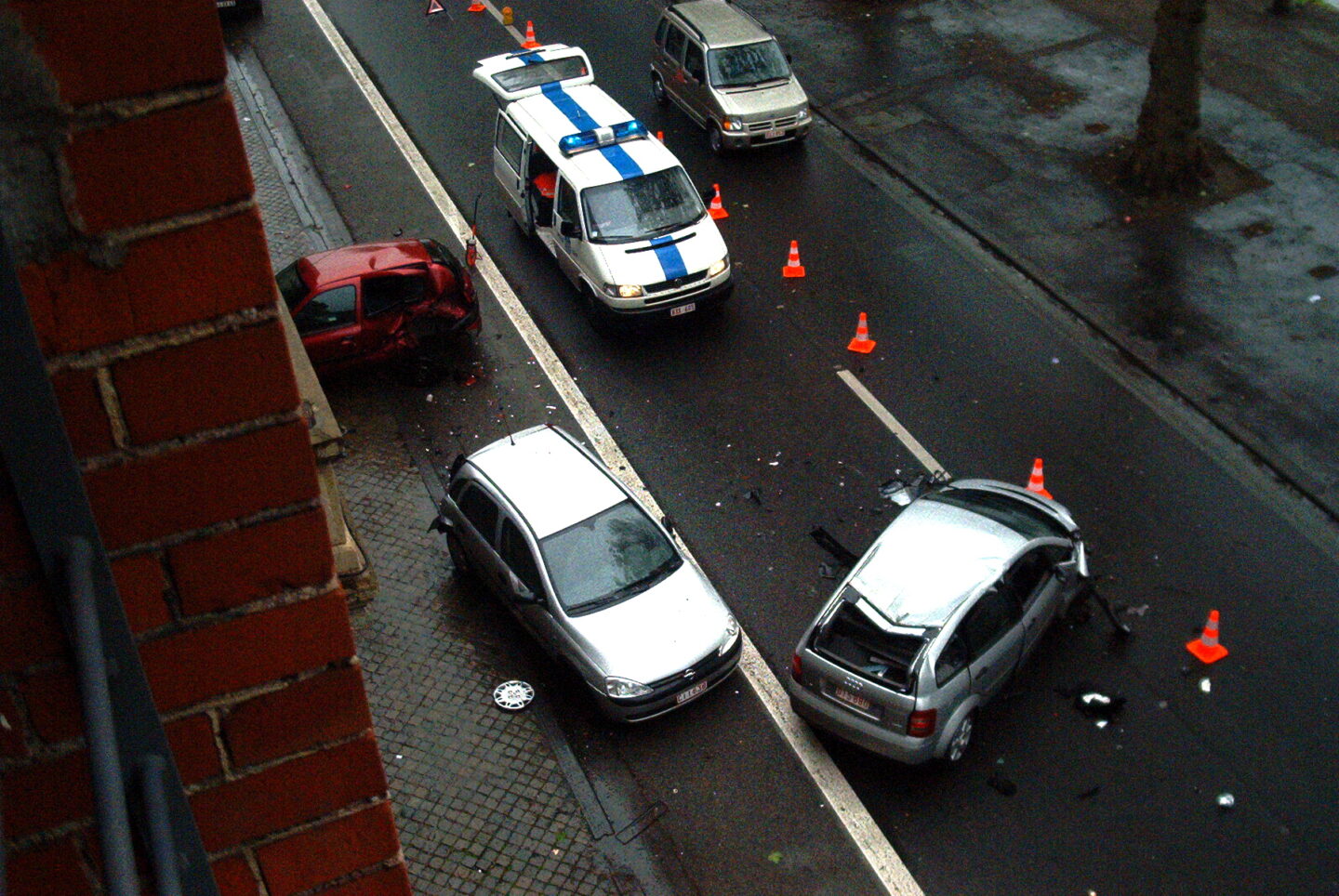
The importance of proximate cause in a car accident case cannot be ignored, as:
- It establishes whether the defendant’s action was the main reason for the accident and the injuries.
- It limits the degree of unfairness and instills balance in the legal system by preventing broad liability and excluding unforeseeable consequences. It allows individuals to be held accountable only for reasonably foreseeable injuries.
- It promotes accountability, whereby proximate cause scrutinization by the legal system compels responsible driving behavior on the roads. Drivers will adhere to traffic safety rules and regulations, knowing that failure to do this will result in them being held accountable for the foreseeable consequences of their actions.
- Proximate also makes the judges’ work more manageable by clarifying the accident’s events. It gives a well-organized framework for evaluating the link between the defendant’s actions and the accident.
To understand the meaning of proximate cause better, let’s take a look at the following scenarios:
- A driver runs a red light and collides with another vehicle, thereby bringing about severe injuries to the people in the second vehicle. In this scenario, the proximate cause of the harm or injuries is the driver’s negligence to obey traffic signals.
- A driver is involved in an accident, and a few hours later, one of the occupants in the second vehicle gets a heart attack. In this case, it would prove problematic to ascertain the proximate cause because the heart attack was unforeseeable and not a natural consequence of the accident.
In conclusion, it is essential to understand the concept of proximate cause in an accident to help determine liability and ensure fair legal results.
Thank you for reading.







