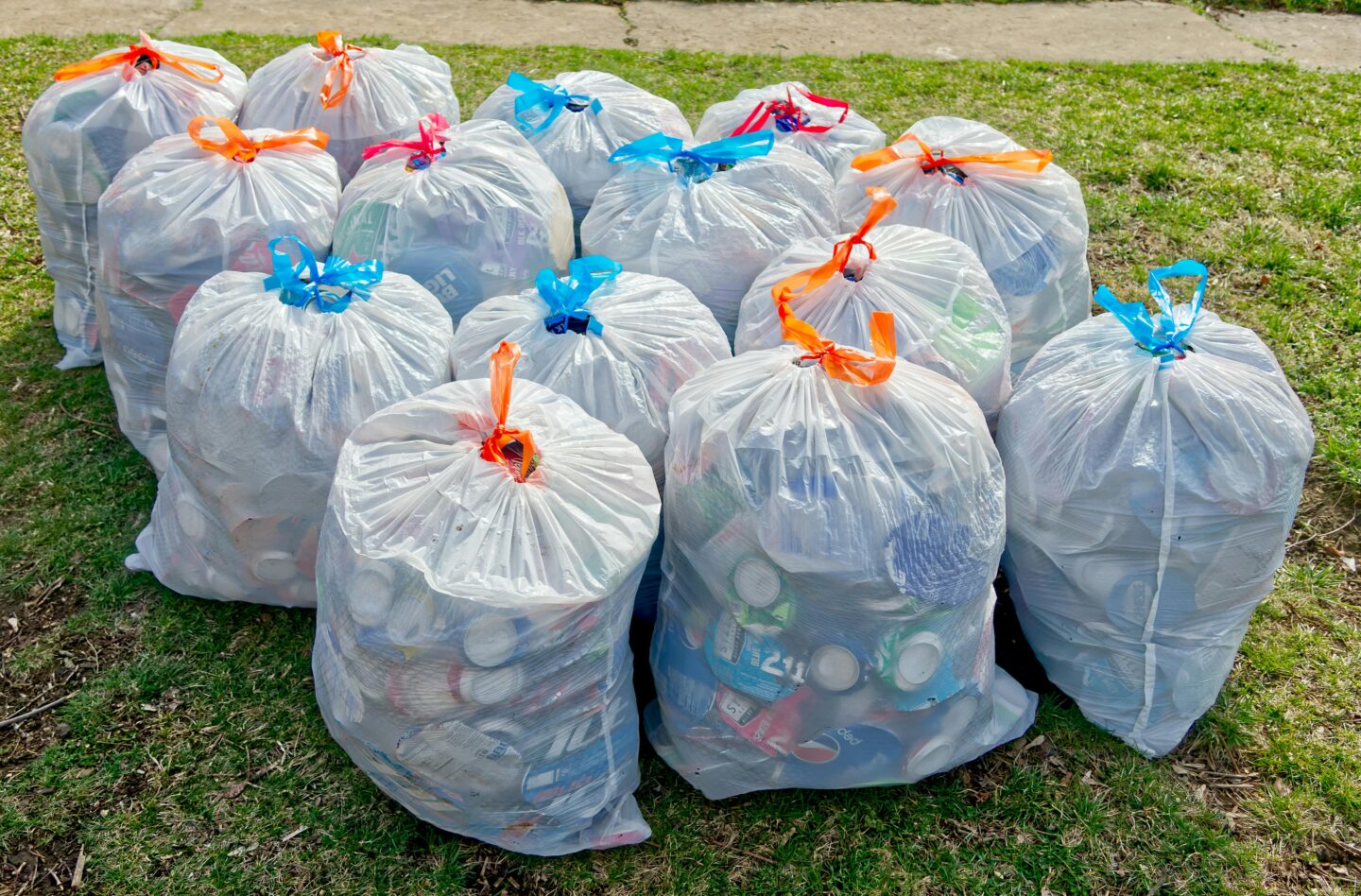
When clearing out a home, office, or commercial space, many people assume that most unwanted items will end up in a landfill. In reality, a significant portion of what is removed during cleanouts can be recycled or donated when handled properly.
Responsible junk pickup services play an important role in diverting materials away from landfills and keeping usable goods in circulation.
Understanding what items can be recycled or donated helps individuals and businesses make more sustainable disposal decisions. From everyday household goods to office furniture and electronics, many materials have value beyond their original use.
For residents seeking responsible options, scheduling junk pick up through providers that prioritize recycling and donation can help ensure unwanted items are handled thoughtfully.
Common recyclable items
The most common items removed during cleanouts are recyclable. When properly sorted and directed to the appropriate facilities, these materials can be processed and reused.
Paper, cardboard, metals, and certain plastics
Paper and cardboard are among the most frequently recycled materials. Boxes from moves, old files, and magazines can often be diverted from landfills when kept clean and dry.
Metals such as aluminum, steel, and copper are highly recyclable and retain significant value. Items like bed frames, shelving, metal desks, and scrap construction materials are often accepted by recycling facilities. Certain plastics may also be recyclable, depending on local guidelines. Clean containers, bins, and select plastic components can sometimes be processed.
Appliances and scrap materials
Large appliances often contain recyclable metals and components. Refrigerators, washing machines, ovens, and dryers typically have scrap value due to the steel and other materials they contain. Even if an appliance no longer functions, its materials can often be reclaimed.
Scrap wood, metal piping, and renovation debris may also be suitable for recycling when sorted properly. Responsible junk pick-up services typically separate these materials to increase diversion rates and reduce landfill contributions.
Furniture and household goods for donation
Not all unwanted furniture needs to be recycled or discarded. Many pieces can be donated if they are in good condition.
Gently used sofas, tables, and chairs
Furniture is one of the largest contributors to landfill waste, yet many items remain functional long after they are no longer wanted. Sofas with minor wear, sturdy tables, and usable chairs can often be donated to charities, shelters, or resale organizations.
Before disposal, it is worth evaluating whether furniture is structurally sound and free from major damage. Items that meet donation standards can benefit families and community organizations.
Home décor and storage items
In addition to larger furniture pieces, smaller household goods may also qualify for donation. These include:
- Lamps and lighting fixtures
- Decorative items
- Shelving units
- Kitchenware and storage containers
- Area rugs in good condition
When routed through responsible junk pick-up providers, these items may be redirected to donation centers instead of being discarded.
Electronics and e-waste
Electronic waste requires special attention due to the materials involved. Devices such as computers, televisions, and phones often contain components that are recyclable but also potentially hazardous if improperly handled.
Computers, TVs, phones, and small electronics
Common electronic items that can often be recycled include:
- Desktop and laptop computers
- Televisions and monitors
- Smartphones and tablets
- Printers and small office electronics
- Audio and video equipment
These items should be processed through certified e-waste recycling facilities to ensure safe dismantling and material recovery.
Preventing environmental harm
Electronics contain metals and chemicals that can contaminate soil and water if placed in landfills. Proper recycling allows valuable materials to be recovered while preventing toxic substances from entering the environment. Professional junk pickup services frequently coordinate with electronics recyclers to ensure compliant handling.
Clothing and textiles
Textiles are another category often overlooked during cleanouts.
Wearable clothes suitable for donation
Clothing in good condition can typically be donated to nonprofit organizations or resale programs. Shoes, jackets, and accessories may also qualify if they are clean and usable.
Before discarding clothing, consider whether it could be worn by someone else.
Fabric scraps and worn textiles for recycling
Even damaged textiles may have recycling potential. Some facilities accept fabric scraps, worn clothing, and linens for material recovery. These textiles can be repurposed into insulation, industrial rags, or other secondary products.
Diverting textiles from landfills helps reduce methane emissions associated with decomposition.
Office and commercial items
Businesses also generate significant volumes of reusable and recyclable items during upgrades, relocations, or closures.
Desks, filing cabinets, and office furniture
Office furniture is often durable and reusable. Desks, conference tables, filing cabinets, and cubicle systems can sometimes be donated or resold if they remain functional.
Metal filing cabinets and shelving units are frequently recyclable due to their steel content.
Excess inventory and usable equipment
Commercial cleanouts may include excess inventory, unused equipment, or old but still operational items. These items may be donated, resold, or recycled, depending on condition. When businesses schedule junk pick up during renovations or transitions, working with responsible providers increases the likelihood that usable materials are diverted, not discarded.
Making responsible disposal decisions
While many items can be recycled or donated, the key factor is proper sorting and routing. Materials must be separated appropriately to avoid contamination and ensure they reach the correct facilities. Before scheduling removal, consider:
- Is the item still usable?
- Does it contain recyclable materials?
- Does it require special handling, such as electronics or hazardous components?
- Can it benefit a charity or community organization?
Responsible junk pickup services often assist with this evaluation process by identifying donation-worthy items and recyclable materials at the time of removal.
Maximizing value beyond disposal
A large portion of what is considered “junk” still has value. By understanding which items can be diverted from landfills, individuals and businesses can significantly reduce waste and support community reuse networks. Responsible junk pickup services play an essential role in this process by sorting materials, partnering with recycling facilities, and redirecting usable goods.
Making thoughtful disposal choices helps conserve resources, reduce pollution, and extend the life cycle of valuable materials. When cleanouts are approached with sustainability in mind, unwanted items become opportunities for reuse rather than permanent waste.
Thank you for reading.
*Sponsored Blog Post




.jpg)


.jpg)