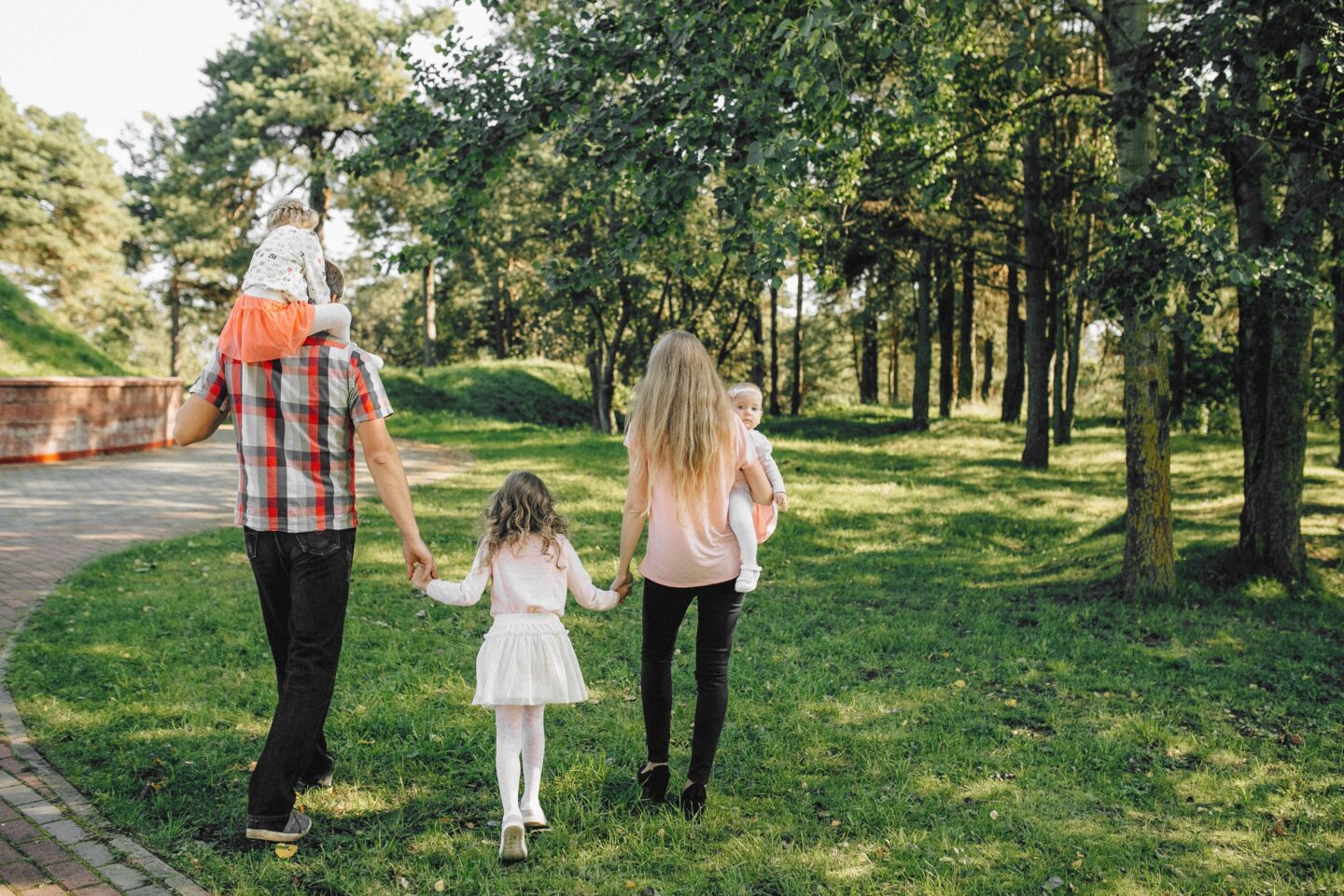
Family life makes it easy for adult interests to slide to the bottom of the list. Children have clubs, homework and favourite activities, while parents become the people who organise, drive and remember everything. Yet children learn a great deal from watching the adults around them. When a parent reads for pleasure, tends a garden, sketches, cooks something new or spends ten quiet minutes solving a game on PlaySolitaire, a child sees that leisure can be purposeful, enjoyable and part of an ordinary day.
This is not about creating a perfect routine or turning every pastime into a lesson. It is about letting children see that adults remain curious people with interests of their own.
Hobbies show that identity is bigger than responsibility
Parents carry many visible roles. They make meals, answer questions, manage appointments and keep the household moving. If children only see that practical side of adult life, they can miss the fact that grown ups also need creativity, challenge and enjoyment.
A hobby offers a simple reminder that a person can be responsible and still make room for something that is chosen purely because it is interesting. That message matters as children begin to develop their own identities. It tells them that their interests do not have to earn a prize or lead to a career to be worthwhile.
Visible enjoyment gives children permission to explore
Children are often encouraged to try activities, but encouragement is more convincing when they see adults doing the same. A parent who is willing to be a beginner makes curiosity feel normal. Perhaps a recipe does not work, a puzzle takes longer than expected or a plant refuses to thrive. The adult can adjust, laugh and try again.
That quiet example can reduce the pressure children sometimes place on themselves. They see that enjoyment does not depend on instant success. Progress can be uneven, and an activity can still be worth returning to.
Small hobbies fit real family life
The word hobby can sound as though it requires equipment, classes and several free hours. In reality, some of the most sustainable interests are easy to start and stop. Reading a chapter, completing a crossword, playing a familiar card game, knitting a few rows or taking photographs on a walk can all fit between the demands of a busy day.
A short activity also makes the boundary visible. A parent can say that they are taking ten minutes to finish a puzzle, then return to family plans. Children learn that personal time does not mean disappearing from family life. It can be a modest, predictable part of it.

Digital leisure can be calm and intentional
Not every moment spent on a screen looks the same. Endless scrolling can leave time feeling vague, while a game with a clear beginning and ending provides a more defined pause. Classic solitaire works well in this role because the rules are familiar, each round is self contained and there is no pressure to keep up with other players.
For a parent, one round can be a small transition between work and dinner or between the school run and the next task. For a child watching nearby, it demonstrates that a screen can be used deliberately. The device is serving a chosen activity rather than dictating what happens next.
Sharing interests does not mean sharing every activity
Some hobbies naturally become family activities. Children might help in the garden, join a baking session or ask to learn a card game. Others remain personal, and that is healthy too. Family members can care about one another without needing identical interests.
Parents can still invite conversation by explaining what they enjoy. A simple comment about a tricky decision, a book character or a photograph creates a window into the activity. Children learn to ask questions and respect enthusiasm, even when the subject is not their own favourite.
A little personal time supports a warmer family rhythm
Making room for a hobby will not remove the practical pressures of family life. It can, however, give the day a better shape. A parent who has had a brief moment of chosen focus may return to the household feeling more present and less as though every minute belongs to someone else.
The most useful lesson is also the simplest. Adults do not stop needing play, curiosity and interests when they become parents. By allowing those parts of themselves to remain visible, they show children a balanced picture of growing up: one in which care for other people and care for personal interests can comfortably exist together.
Thank you for reading.