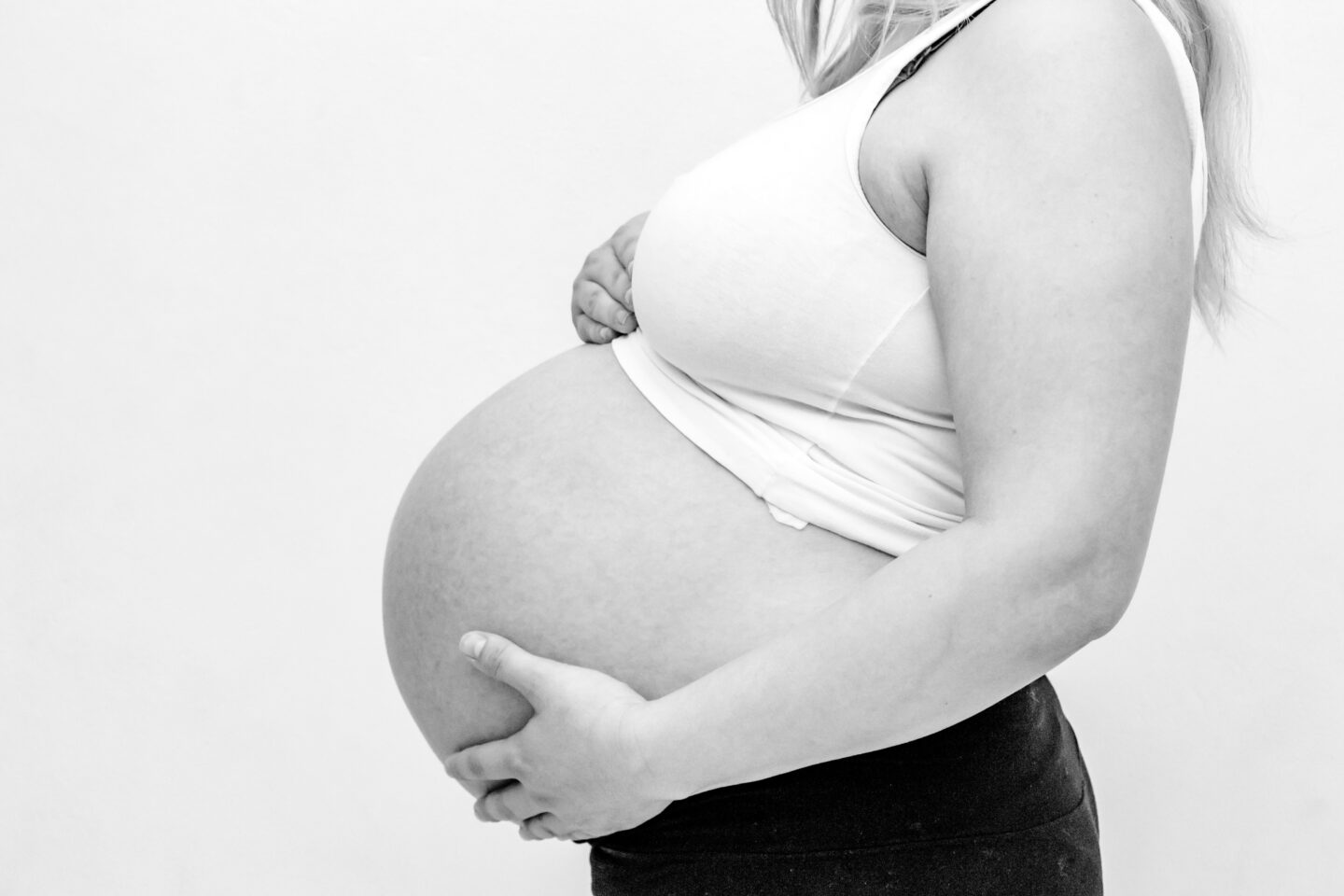
There were some 681,560 live births recorded in the UK through 2020, with this representing a decrease of 4.4% when compared with the previous year (when 712,680 live births were recorded).
While the vast majority of births are healthy and completed without issue, the process of bringing a child into the world can also be complicated and cause significant trauma for both mothers and their newborns.
In this case, birth can be overwhelming and life-altering, creating a need for survivors to cope with their new reality and subsequently adjust.
What are the Most Common Birth Complications and Injuries?
It’s important to note that the vast majority of birth injuries are mild and resolve within a matter of days, particularly instances involving scalp swelling or bruising, scratches and minor bleeding outside of the skull bones.
From a slightly more serious perspective, newborn babies may also experience bleeding in the brain (or directly underneath the scalp). The latter is referred to as a subgaleal haemorrhage, and in some cases, it may result in blood loss and shock and could even require a blood transfusion to correct.
This is a potentially serious incident, and that may result from the use of forceps or a vacuum extractor during a particularly challenging birth. It may also be caused by a blood clotting problem.
Alternatively, a newborn child may experience a fracture to one of the bones in their skull, either before or during the process of birth. In this case, the injury typically heals rapidly and without the need for any kind of treatment, unless the skull fracture is depressed in nature and forms an indentation that will require immediate attention.

Understanding What Went Wrong and How to Proceed
As we can see, these injuries are quite variable, and while many arise naturally during labour, some may be caused by clinical negligence and the failure to provide an adequate level of treatment during birth.
In some cases, such an oversight can be the direct cause of damaging injuries, while in others, healthcare professionals may fail to spot fractures or other birth injuries and end up not treating these at all.
In the latter instances, this can cause long-term and life-changing conditions, while enabling families to bring cerebral palsy negligence claims and similar cases against a particular healthcare trust or authority.
If you do find yourself in either of these scenarios, you may face the prospect of dealing with life-changing injuries (either to you or your child). In this case, you’ll need both practical and emotional support, with the former involving pursuing a compensation payout to help cover any medical bills that are incurred and associated losses in earnings.
If you do pursue compensation, you’ll need to prove clinical negligence and that a particular healthcare trust or practitioner was responsible for any birth injuries experienced by you or your child.
You’ll also need to demonstrate that the injuries caused were a direct result of negligence, using collated evidence and documentation to support your claim from a legal perspective.
This can be challenging enough by itself, so we’d recommend liaising with an expert personal injury solicitor who can handle the collation and presentation of evidence (and subsequent negotiation) on your behalf.
This way, you’ll have time to tend to your child’s needs and adjust to your new way of life, focusing on your emotional well-being while an industry expert strives to secure you the compensation that you may be entitled to.
Thank you for reading.