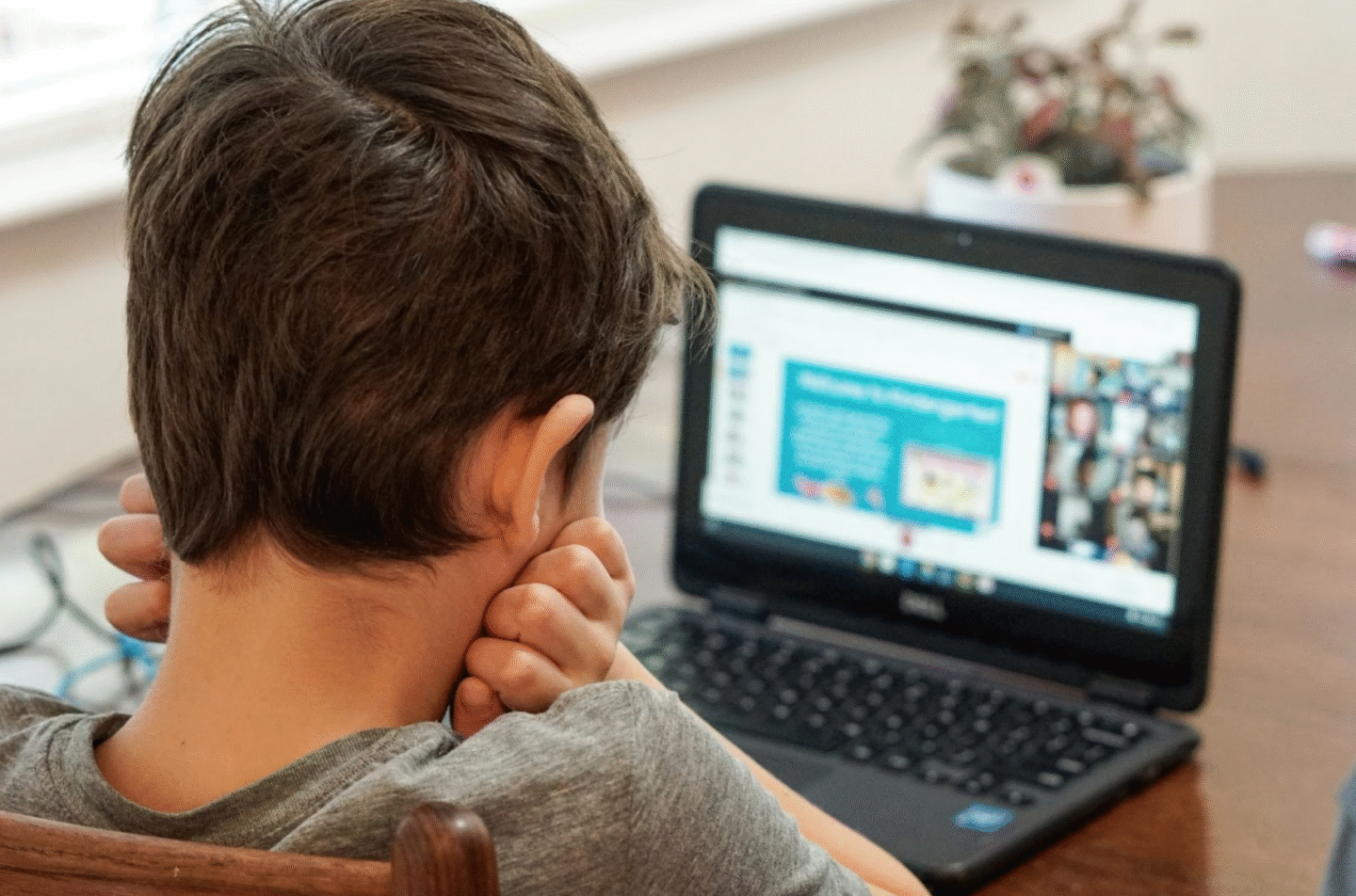
When classrooms across Australia moved online during the COVID-19 pandemic, a new kind of pressure began to emerge. For teenagers, especially those undergoing orthodontic treatment, every video call became an exercise in self-awareness. With cameras turned on and faces front and centre, features like braces — once just part of the journey to a better smile — became sources of anxiety. For many young Australians, their orthodontic journey overlapped with a shift in self-image. Explore teen-friendly orthodontic treatments that support confidence and comfort during these formative years.
Why Online Learning Exposed Appearance Insecurities
The Shift to Zoom & Its Psychological Impact
In physical classrooms, teens could hide behind a book or blend into a group. Online? They were constantly staring at their own faces, with every angle and imperfection on display. This increased “mirror time” amplified self-scrutiny. Research published by the University of Melbourne noted a rise in anxiety and body dissatisfaction linked to online learning and video-based interaction.
Features that had once gone unnoticed — like braces — became disproportionately magnified. And that shift wasn’t just technical; it was deeply emotional.
Teens and Social Appearance Anxiety
Social appearance anxiety refers to the fear of being judged based on one’s physical appearance — a concern that often peaks during adolescence. As online learning became standard during the pandemic, this form of anxiety grew more pronounced. With their faces constantly visible on screen, many teens became increasingly focused on how they looked — and whether others were noticing perceived imperfections.
A study published by the National Center for Biotechnology Information (NCBI) highlighted that requiring students to keep their cameras on during virtual classes led to heightened emotional stress, particularly among those concerned about their appearance. The findings emphasise the need to support students’ mental wellbeing through adaptive strategies tailored to their concerns, especially for those dealing with visible orthodontic appliances, such as braces.
Braces and the Smile Confidence Crisis
Braces as a Visual Focal Point on Camera
Braces, especially the traditional metal type, catch light and draw attention, particularly on grainy webcams where lighting can be unforgiving. Teens often described themselves as looking “robotic” or “babyish,” terms reflecting not just appearance but underlying emotional discomfort.
In a world where facial cues are everything, braces often became the first thing students noticed in their reflection, and worried others did too.
Key Statistics From Australian Studies
A recent poll conducted across NSW high schools revealed:
- 54% of teens felt more self-conscious while wearing braces in online classes.
- Half said they smiled less during virtual sessions.
- 60% of Australians surveyed by the Australian Dental Association linked a confident smile with improved self-esteem.
These figures confirm what teens have been quietly saying for years: how they feel about their smile deeply impacts how they interact and participate — both socially and academically.
Influence of Selfie Culture & Peer Comparison
It doesn’t stop with Zoom. Teens are also navigating TikTok, Instagram, and Snapchat — platforms flooded with influencers flaunting straight, sparkling smiles. This “perfect teeth” culture promotes an ideal that’s often digitally enhanced and difficult to achieve, let alone maintain during braces treatment.
The result? Teens compare their in-progress smiles to filtered perfection and often feel they fall short in their own eyes.
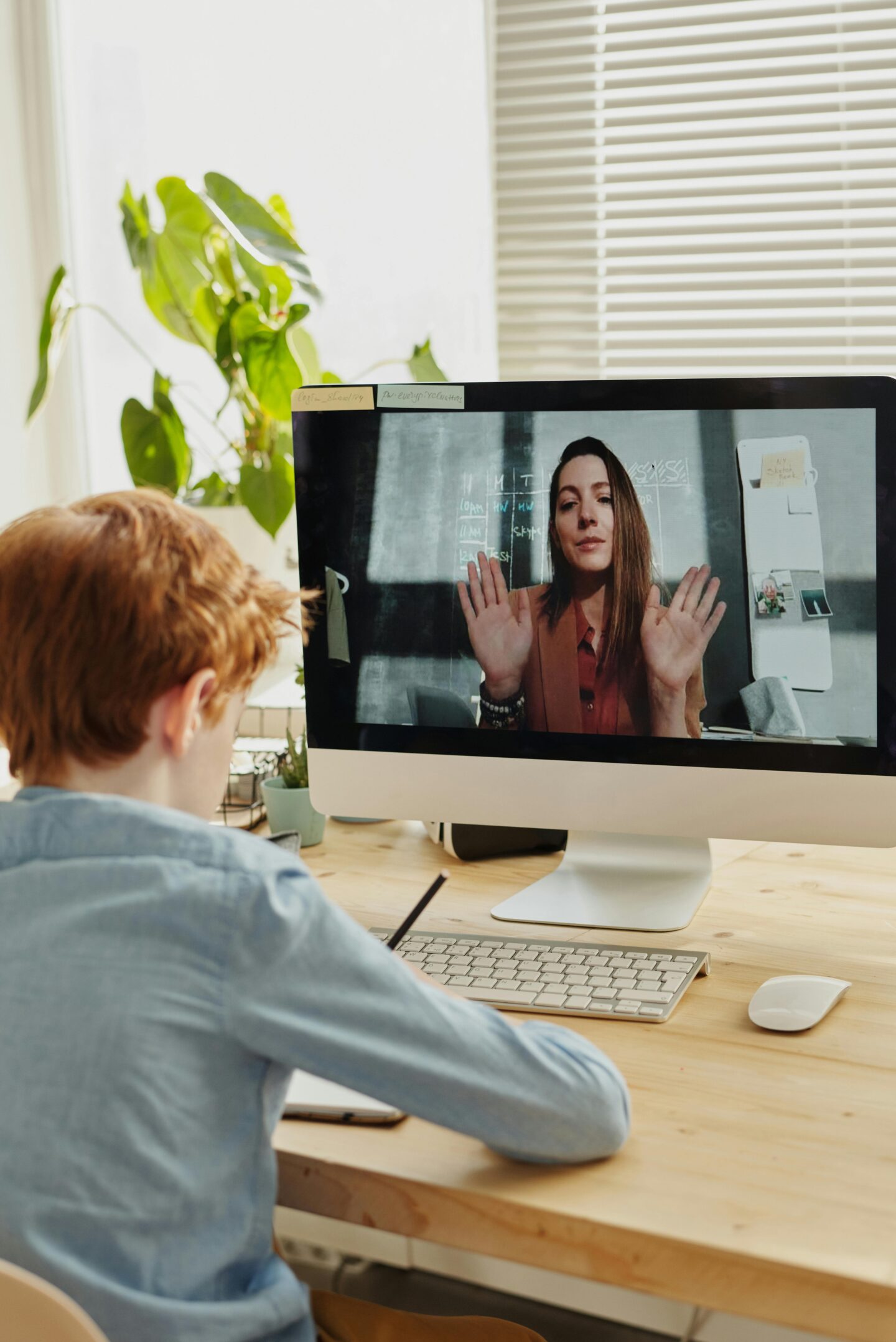
Who’s Affected Most – And How
Gender & Age Differences
Social appearance anxiety hits some harder than others. Girls, especially between the ages of 12 and 14, are statistically more likely to express distress about how they look. This is also the typical age bracket for early orthodontic treatment, creating a perfect storm of physical transition and psychological sensitivity.
Boys, though less likely to voice it, still experience these pressures — often masked through humour or withdrawal.
Urban vs Regional Impact
In cities, where social pressures and trends are more prevalent, teens may feel a stronger push to conform to beauty standards. Meanwhile, those in regional or remote areas often struggle with access to aesthetic options, such as clear aligners or ceramic braces, which limits their ability to choose treatments that make them feel more confident.
Learn more about dental service inequalities across Australia via the Australian Institute of Health and Welfare.
How Teens Responded to Camera Anxiety
Avoidance Behaviours
Students developed subtle and not-so-subtle ways to avoid being seen. Many started switching off their cameras, covering their mouths while talking, or shifting their seating position to avoid lighting that highlighted their braces.
Some used filters to blur their appearance or would feign connectivity issues to skip visual participation altogether. It wasn’t about laziness — it was discomfort, plain and simple.
Mental Health Implications
These behaviours didn’t just affect how teens looked on camera — they shaped how they showed up in class, or whether they showed up at all. Many who felt anxious about their appearance began withdrawing: turning off their cameras, avoiding participation, and disconnecting from lessons. Over time, this reduced engagement can contribute to academic decline and feelings of social isolation.
However, the impact extends beyond school performance. Adolescence is a key period for developing self-expression, confidence, and healthy peer relationships. When camera anxiety and orthodontic self-consciousness combine, it can interrupt these foundations.
Organisations like Headspace Australia offer guidance on supporting young people through major transitions, with strategies to help them manage anxiety and stay connected — both emotionally and socially — during challenging times.
How Parents, Schools, and Orthodontists Can Help
For Parents
Validation is key. Telling your teen “it’s not a big deal” may feel reassuring, but it often minimises their experience. Instead, acknowledge their discomfort and remind them that everyone goes through awkward phases — and that braces are temporary, but character is lasting.
Try to avoid giving body-related compliments as the only kind you offer. Focus on traits like kindness, creativity, and resilience.
For Schools and Counsellors
Flexible camera policies make a huge difference. Not every student needs to have their face front and centre at all times. Counsellors should also be encouraged to check in with students who seem withdrawn or are constantly turning their cameras off — there may be more going on than meets the eye.
Normalising these conversations helps. A student who feels supported is more likely to thrive.
For Orthodontists
It’s no longer just about bite correction. Today’s orthodontists need to be emotionally tuned in. Offering aesthetic solutions, such as clear aligners or ceramic brackets, can help teens feel more in control of their image.
More importantly, start the conversation. Ask how they’re feeling about being on camera with braces. That small act of empathy goes a long way.
Rethinking the ‘Confidence Through Braces’ Narrative
Not All Braces = More Confidence
The assumption that braces automatically lead to confidence is flawed. While straighter teeth can help, confidence is more complex — rooted in self-worth, support networks, and emotional health.
Long-term studies show that cosmetic improvements don’t always equal higher self-esteem unless paired with other forms of support and self-acceptance.
Braces as a Stage, Not a Defining Feature
Teens need to understand that braces are a stage — not a social label. Encouraging resilience over perfection and framing braces as part of a journey rather than an identity helps shift focus from image to growth.
Just like adolescence itself, this phase will pass. And with the right support, teens can emerge from it stronger — and yes, smiling brighter.
FAQs
Why do teens feel self-conscious about braces during online school?
Cameras draw attention to the face in real-time. Braces, being highly visible, can make teens feel exposed and anxious about how they’re perceived.
Are clear aligners better for self-esteem?
Some teens prefer them because they’re less noticeable, but lasting self-esteem comes from feeling valued beyond appearance.
Should schools let students turn off cameras?
Yes, flexibility supports wellbeing. Forcing teens to be on camera when they’re anxious can hinder participation and increase stress.
The takeaway? Confidence isn’t just about straight teeth — it’s about support, self-understanding, and kindness. If you’re a parent, teacher, or orthodontist, remember that every small gesture matters. For teens, especially in the digital age, being seen means more than just being visible.
Thank you for reading.