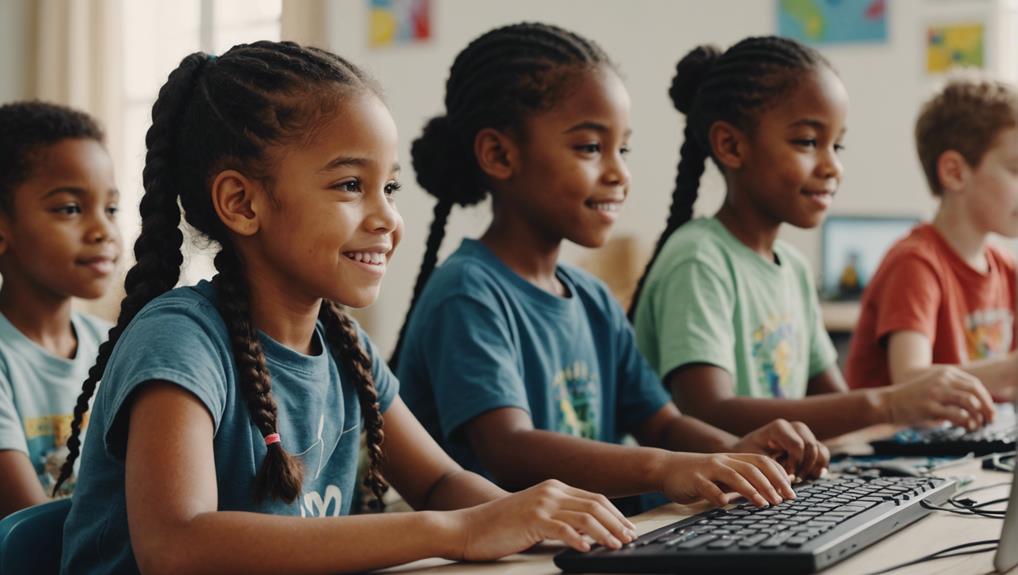
Did you know that a child’s environment can greatly influence their ability to focus and learn, even in a virtual classroom? As a parent, you’re likely grappling with the challenges of supporting your child in this new digital academic sphere. Let’s explore some strategies that can make this shift smoother. From creating a conducive learning space, to establishing a consistent routine, and encouraging effective communication, there are several ways you could strengthen your child’s success in a virtual school environment. Stick around, you might just discover the key to unleashing your child’s full potential in online learning.
Understanding Virtual Schooling
Grasping the concept of virtual schooling is the first step in supporting your child’s education in this new digital landscape. It’s an educational approach where your child participates in classes from the comfort of home, using technology like computers, webcams, and the internet. This method of learning is gaining popularity due to its flexibility and accessibility.
Understanding the structure of virtual schooling is important. Unlike traditional schooling, where classes are in set physical locations, virtual schooling occurs online in virtual classrooms. Your child will have scheduled classes, just like in a typical school, but they’ll connect via video conferencing tools. Communication with teachers and classmates happens through chats, emails, and forums. Online schools in Arizona offer a similar approach, providing students with the flexibility and accessibility of virtual learning while ensuring they receive quality education aligned with state standards.
Homework, assignments, and tests are also integral parts of virtual schooling. They’re usually submitted online and graded by teachers remotely. Some virtual schools may even offer real-time feedback.
The role you’ll play as a parent in this setting is different too. You’ll likely become more involved in your child’s day-to-day academic activities. You’ll need to make sure they’re attending classes, completing assignments, and meeting deadlines.
Understanding these aspects can help you better support your child as they navigate through the world of virtual schooling.
Setting Up a Learning Space
Creating an effective learning space at home is an important step in supporting your child’s virtual schooling experience. This space should be quiet, comfortable, and free from distractions. It’s not just about having a desk and a chair; it’s about creating an environment that promotes focus and productivity.
First, find a location that’s vital and guarantee it’s free from interruptions. It could be a spare room, a corner in the living room, or even a portion of your child’s bedroom. Make sure it’s a place where your child can work undisturbed for extended periods.
Next, make sure the space is comfortable. If your child is uncomfortable, they’re less likely to stay focused. Invest in a good chair and make sure the desk or table is at the right height. Adequate lighting is also important. Natural light is best, but if that’s not possible, ensure the area is well-lit with lamps.
Lastly, keep the space organized. Provide storage for school supplies and make sure your child has easy access to everything they need. Remember, a clutter-free environment promotes concentration and productivity.
Establishing a Routine
Once you’ve created a conducive learning space, it’s equally important to establish a consistent routine for your child’s virtual school day. Routines offer structure, which can greatly enhance your child’s focus, productivity, and overall learning experience.
Start by setting regular hours for schoolwork, aligning it as closely as possible with your child’s traditional school day. This continuity helps maintain a sense of normalcy and guarantees your child remains in sync with their peers. Include breaks for meals and refreshment, and don’t forget to incorporate some downtime for relaxation and rejuvenation.
Next, plan out each day. You’re not recreating the wheel here, simply mimicking the school timetable. This provides a clear roadmap of what’s expected and when. It’s also beneficial to establish a morning routine to kickstart the day positively. Perhaps this could entail a healthy breakfast, a bit of exercise, or reading.
Encouraging Effective Communication
In a virtual schooling setup, it’s important to foster open communication with your child to ensure they aren’t only understanding their lessons, but also feeling supported and heard. Encourage them to express their thoughts, concerns, and questions about their online classes. This won’t only boost their confidence but also enhance their comprehension and learning experience.
Regularly check in with your child. Ask about what they’re learning, how they’re feeling, and if they’re facing any challenges. It’s necessary to create a safe space where they feel comfortable to discuss their academic progress and any issues they might be encountering.
Be an active listener. When your child speaks, pay full attention and show empathy. This helps build trust and reassures them that you’re genuinely interested in their experiences. Offer constructive feedback and solutions, but don’t forget to acknowledge their efforts and achievements.
It’s also important to maintain clear communication with their teachers. Virtual school platforms often have built-in communication tools. Use them to stay updated on your child’s progress, upcoming assignments, and any potential areas of improvement. Remember, effective communication is key to supporting your child’s learning in a virtual school environment.
Utilizing Online Resources
While it’s crucial to maintain open communication, you should also take advantage of the wide array of online resources available to support your child’s virtual learning journey. These resources range from educational websites, interactive learning platforms, to virtual tutoring services.
First, consider educational websites that align with your child’s curriculum. Websites like Khan Academy and BBC Bitesize offer thorough, curriculum-aligned content. They cover a variety of subjects and can deepen your child’s understanding of complex topics.
Next, interactive learning platforms such as Prodigy and Quizlet can make learning fun and engaging. These platforms use games and quizzes to reinforce learning, which can help your child retain information better.
Lastly, don’t overlook virtual tutoring services. If your child is struggling with a particular subject, online tutors can provide personalized guidance and one-on-one instruction at your convenience. Websites like Chegg and Wyzant offer these services.
Promoting Self-Discipline
To foster a successful virtual learning experience, it’s essential that you help your child cultivate self-discipline, a critical skill not just for academics, but for life. The virtual learning environment provides a unique platform for teaching self-discipline, as it often requires students to manage their time and assignments without constant supervision.
Start by establishing a regular routine. Consistent sleep, meal, and study times can help your child get into the rhythm of self-discipline. It’s important that you involve your child in this process, allowing them to have a say in their schedule. This ownership can increase their commitment to following through.
Next, set clear, attainable goals. Whether it’s completing a certain number of assignments per week or dedicating specific hours to studying, having a target to aim for can serve as a powerful motivator. Remember, it’s pivotal that these goals are realistic and adaptable, to avoid overwhelming your child.
Lastly, encourage breaks and rewards. Even the most disciplined people need downtime. Recognize your child’s effort and progress by allowing time for relaxation and enjoyable activities. This balance between work and play can make the journey towards self-discipline less challenging and more successful.
Monitoring Progress Regularly
Regular monitoring of your child’s progress serves as an essential compass, pointing the way towards academic success in a virtual school environment. It’s important to observe their learning curve, identifying strengths and opportunities for improvement. You’re not just checking their grades, but also their understanding, application, and retention of knowledge.
To effectively monitor progress, engage in regular discussions about what they’re learning. Ask open-ended questions that encourage critical thinking. This not only assesses comprehension but also fosters a habit of reflection and intellectual curiosity.
Also, utilize the digital tools provided by the online platform. Most have features that allow you to track your child’s participation, completed assignments, and test scores. These metrics provide a snapshot of your child’s academic performance, giving you a clearer understanding of where they stand.

Balancing Screen Time
Just as you keep track of your child’s academic milestones, paying attention to their screen time is equally important in a virtual learning setup. The digital world, though exciting and informative, can be overwhelming. Striking a balance between virtual learning and recreational screen time is crucial for promoting effective learning and overall well-being.
First, establish a routine. Virtual learning shouldn’t equate to all-day screen time. Be sure to schedule regular breaks where your child can rest their eyes and engage in other activities. Use this time for physical exercise, an effective counterbalance to the sedentary nature of screen usage.
Second, differentiate between productive and non-productive screen time. Not all screen time is bad. Time spent on educational apps, research for assignments, or even virtual school projects, should be considered beneficial screen time. However, excessive gaming, social media browsing, or mindless video watching should be limited.
Lastly, use parental control tools to monitor and limit non-educational screen time. These tools can help you set boundaries and make sure your child is using their screen time effectively.
Fostering Social Interaction
In the domain of virtual education, it’s crucial that you don’t overlook the importance of fostering social interaction for your child. Despite lessons being conducted online, there are numerous ways to guarantee your child is still socially engaged.
Encourage your child to participate in virtual group projects or discussions. This not only helps to build teamwork and communication skills but also enables them to form connections with their peers. You can also promote the use of digital platforms that facilitate social interaction in a safe and moderated environment.
Arrange for virtual playdates or study groups with their friends. This can break the monotony of solo learning and stimulates social development. It’s also a good idea to establish a routine for these interactions, ensuring they happen regularly.
Suggest your child join online clubs or activities that align with their interests. This can be a great way for them to meet like-minded peers, promote a sense of community, and foster a spirit of camaraderie. Remember, it’s important to balance these interactions with their academic responsibilities.
In a virtual school environment, proactively fostering social interaction for your child can greatly enhance their learning experience and overall well-being.
Addressing Technical Issues
While maneuvering through the virtual school environment, it’s important that you’re prepared to promptly address any technical issues that may arise to guarantee uninterrupted learning for your child. Whether it’s a glitchy software, slow internet connection, or malfunctioning hardware, your proactive role can make a significant difference.
Firstly, familiarise yourself with the technology your child uses for school. This isn’t as intimidating as it may seem; a basic understanding of the software, portals, and devices can go a long way. You don’t need to become a tech expert overnight. Just know enough to troubleshoot common issues.
Secondly, have a backup plan. An additional device or alternative internet connection can be a lifesaver during unexpected tech hiccups. Educate your child on these contingency plans and make sure they know how to implement them.
Lastly, don’t hesitate to seek professional help when necessary. Many schools offer tech support for virtual learning, and numerous online resources and forums provide step by step guidance for resolving technical issues.
Supporting Emotional Well-being
Exploring the emotional terrain of virtual schooling can be just as crucial as addressing the technical challenges. Your child’s emotional well-being plays a pivotal role in their performance and overall experience in a virtual school environment. It’s crucial to be aware of the emotional stressors they may be facing and offer your support.
Isolation, lack of social interaction, and increased screen time can lead to feelings of loneliness, anxiety, and even depression. You can combat these issues by encouraging your child to take regular breaks, engage in physical activities, and maintain social connections virtually.
Remember that it’s acceptable for your child to have off days. Virtual learning is a new experience for many, and it’s only natural for there to be a period of adjustment. Be patient, understanding, and always keep communication lines open.
Lastly, acknowledging your child’s feelings and validating their experiences can go a long way in relieving their stress. Provide a safe space for them to express their feelings without judgment. Fostering emotional well-being in this virtual school environment is a joint effort that requires understanding, empathy, and patience from you as a parent.
Conclusion
Supporting your child’s virtual schooling can be a rewarding endeavor. Did you know that a Stanford study found students in online learning conditions perform better than those receiving face-to-face instruction?
By creating a conducive learning environment, keeping a routine, and addressing their emotional needs, you’re not just helping them adapt to the new norm — you’re setting them up for success. After all, your involvement is key in your child’s educational journey.
Thank you for reading.
Photo Source: https://i.postimg.cc/WbhqG3cr/How-to-Support-Your-Child-in-a-Virtual-School-Environment-0006.jpg