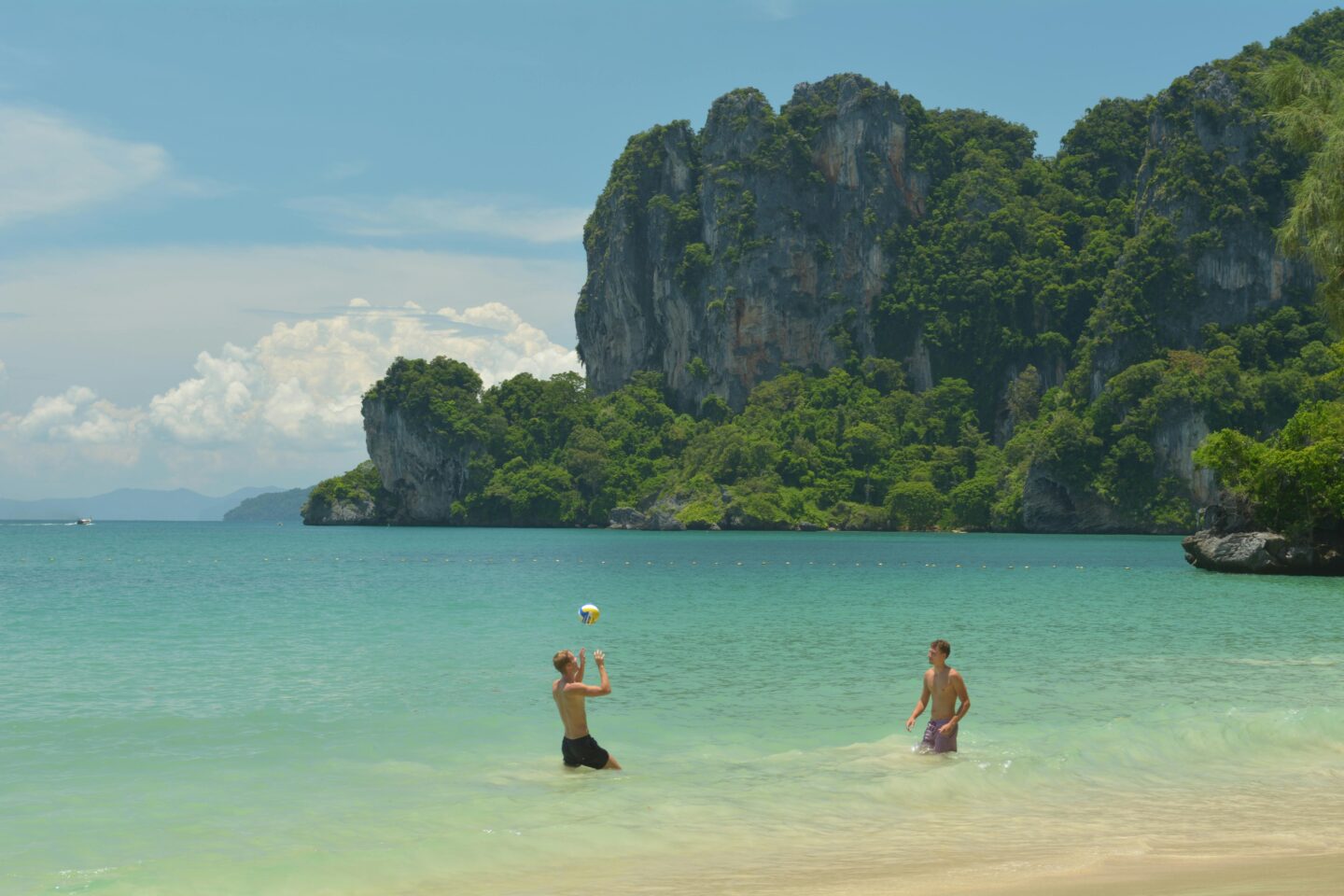
Southeast Asia has captured the hearts of millions of travelers with its stunning beaches, ancient temples, vibrant street markets, and incredibly affordable prices. Whether you’re a first-time visitor or a seasoned explorer, planning the perfect adventure requires careful consideration of your interests, budget, and travel style. This guide will help you craft an unforgettable journey through one of the world’s most captivating regions.
Define Your Travel Style and Priorities
Before booking any flights, take time to understand what kind of traveler you are. Do you crave adrenaline-pumping activities like rock climbing and scuba diving, or would you rather spend your days practicing yoga and getting spa treatments? Are you a history buff eager to explore ancient ruins, or a foodie ready to eat your way through night markets?
Your answers will significantly shape your itinerary. Southeast Asia offers something for everyone, but trying to do everything will leave you exhausted and unsatisfied. Instead, identify your top three priorities and build your trip around them. This focused approach ensures you’ll have meaningful experiences rather than just checking boxes on a tourist list.
Choose Your Destinations Wisely
Southeast Asia comprises eleven countries, each offering distinct experiences. Popular destinations like Bali Thailand, Vietnam, and Cambodia attract millions of visitors annually, while places like Laos, Myanmar, and the Philippines offer more off-the-beaten-path adventures.
First-time visitors often make the mistake of trying to visit too many countries in one trip. A better approach is selecting two or three destinations and exploring them thoroughly. This allows you to move beyond tourist hotspots and discover authentic local culture. Consider factors like visa requirements, travel distances, and seasonal weather patterns when making your selections.
Time Your Visit for Optimal Weather
Southeast Asia’s tropical climate means weather patterns vary significantly across the region. The dry season generally runs from November to April, making it the most popular time to visit. However, this also means higher prices and larger crowds at major attractions.
The wet season shouldn’t be automatically dismissed. Rain typically comes in short, heavy bursts rather than all-day downpours, and you’ll enjoy lower prices, fewer tourists, and lush green landscapes. Research specific weather patterns for your chosen destinations, as monsoon seasons vary considerably across different countries and regions.
Budget Appropriately for Your Adventure
One of Southeast Asia’s biggest appeals is its affordability, but costs vary dramatically depending on your travel style. Budget backpackers can survive on twenty to thirty dollars daily, while luxury travelers might spend several hundred dollars per day on high-end resorts and fine dining.
Create a realistic budget that includes accommodation, food, transportation, activities, and a contingency fund for unexpected expenses. Don’t forget to factor in costs before and after your trip, including flights, travel insurance, and any necessary vaccinations. Research average prices for your specific destinations, as places like Singapore are considerably more expensive than Vietnam or Cambodia.
Plan Your Route and Transportation
Transportation logistics can make or break your Southeast Asia adventure. While budget airlines connect major cities affordably, overland travel offers more authentic experiences and opportunities to see countryside landscapes. Trains, buses, and boats are widely available, though comfort levels and reliability vary.
Consider purchasing a regional flight pass if you’re covering large distances, or embrace slower travel by taking overnight buses and trains. Leave buffer days in your itinerary for travel delays, which are common in the region. Some travelers prefer booking everything in advance, while others enjoy the flexibility of arranging transportation as they go.
Balance Structure with Flexibility
Having a general itinerary provides direction and ensures you don’t miss must-see attractions, but over-planning can prevent spontaneous adventures. Book accommodation for your first few nights and any difficult-to-reach destinations, but leave room for flexibility elsewhere.
Some of the best travel experiences come from unexpected opportunities, like extending your stay in a charming village or joining fellow travelers on an unplanned excursion. Build free days into your schedule where you can simply wander, rest, or pursue opportunities that arise organically.
Conclusion
Planning the perfect Southeast Asia adventure requires balancing research with spontaneity, structure with flexibility, and ambition with realism. By understanding your travel priorities, choosing destinations wisely, timing your visit appropriately, and budgeting carefully, you’ll create an adventure that matches your dreams. Remember that the goal isn’t to see everything, but to have meaningful experiences that will stay with you long after you return home. Start planning today, and prepare for the journey of a lifetime.
Thank you for reading.