Limescale is a deposit that accumulates inside pipes, on showers, baths, and is commonly found on faucets and other metallic surfaces but most commonly on water taps and sinks. It is formed by the hardening of calcium deposits that are naturally found in the water. If left untreated, limescale can cause plumbing problems over time and would lead to the need for costly repairs.
Aside from that, it also affects the appearance and color of your sink or shower, giving it a dull and dirty look. For these reasons, removing limescale as soon as you see it forming is necessary to maintain your high-end appliances’ optimal look and function.
How Limescale Forms
High levels of calcium in the water primarily cause limescale build-up. Softer water usually contains more calcium, while harder water tends to have less. The more calcium and other minerals found in the water, the more likely it is that limescale will form, especially when the water is heated.
When hot water comes into contact with pipes that contain calcium, it will react and start to build up a thin layer of limestone, creating hard-to-nothing impediments and reducing water pressure. This can become a nuisance for anyone using the sink or shower, making cleaning difficult and time-consuming.
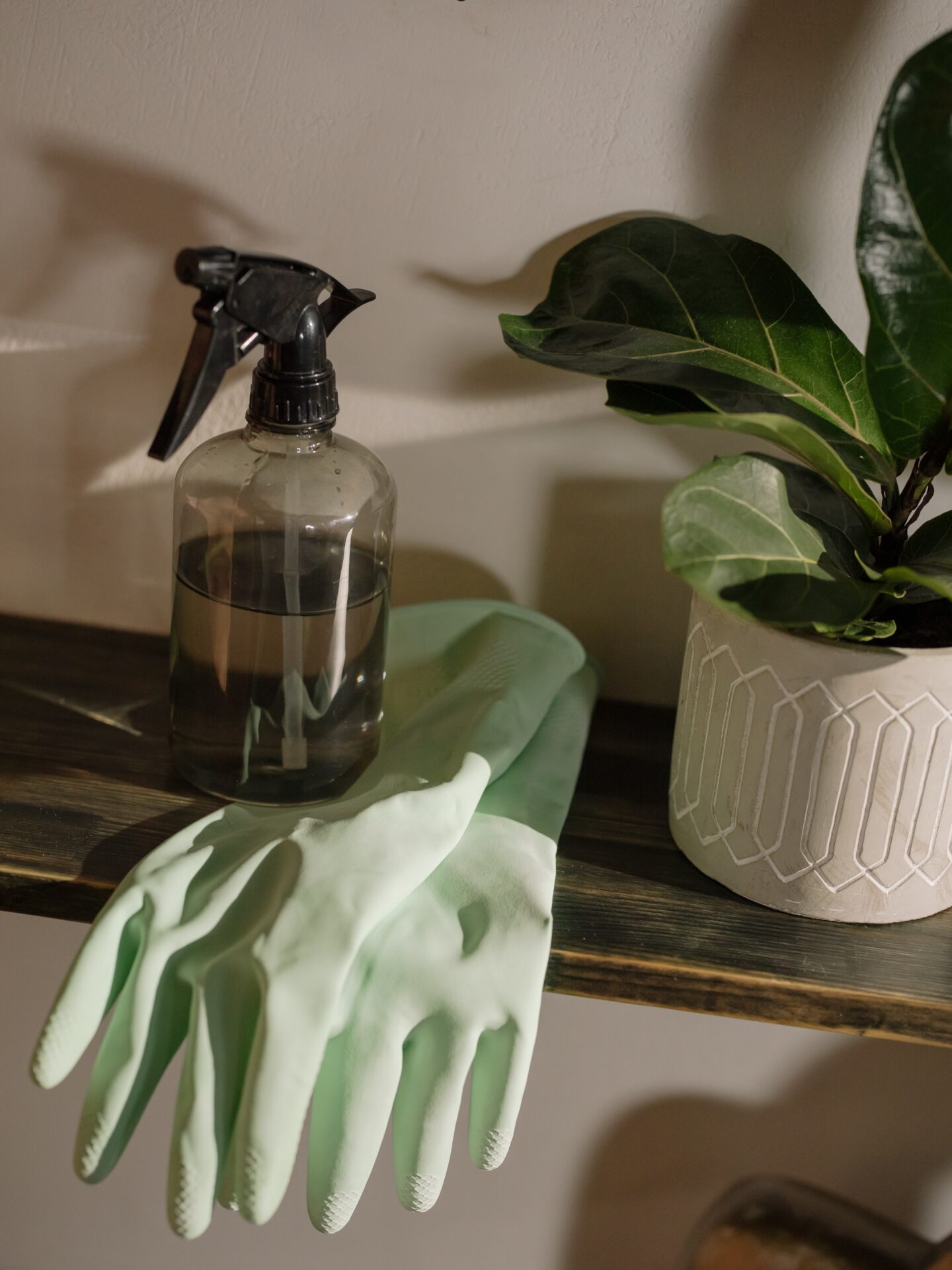
Ways to Remove Limescale
Although limescale can be a huge annoyance to deal with, there are some effective ways to remove it. These include chemical and natural methods.
Chemical Method
Chemical methods involve using chemical treatments to remove limescale effectively. The chemicals usually used are hydrochloric acid, phosphoric acid, and other descaling agents. These chemicals are strong and should be used with caution. It is essential to read the instructions carefully before using them and to wear the proper protective clothing and protective glasses.
The process starts with preparing the area and removing anything that may be in or near the sink or shower. After that, the chemical solution is applied to the limescale and allowed to sit for the recommended time. Once the recommended time has passed, the scale can be removed with a scrub brush or other cleaning tools. For hard-to-reach areas, a toothbrush or metal brush is suggested. After the limescale is gone, rinse the area with plenty of water.
Natural Method
Aside from chemical methods, there are natural methods to use in removing limescale from sinks and showers as well. Some of the most effective natural methods are using a mixture of vinegar and baking soda, lemon juice and baking soda, and baking soda mixed with salt. All of these methods require scrubbing the area with the solution and some elbow grease. Once the area is clean, rinse thoroughly with water.
Preparing the Sink or Shower
Before using any chemical or natural method, it is vital to properly prepare the sink or shower. This means removing any items that are in the sink or around the shower, such as soap dishes and shower curtains, to ensure that they won’t be damaged when using the cleaning solution. It is also important to make sure the sink or shower is free from debris.
Conclusion
Limescale is an irritating problem in any home, but it can be easily taken care of with either chemical or natural methods. Chemical methods are the most effective and work quickly, but they can be dangerous if not used properly.
Natural methods, while not as strong, are more natural and less hazardous. However, it is also essential to properly prepare the sink or shower before cleaning it, to ensure that the cleaning solution won’t damage any of the items in the area.
With a few simple steps, limescale can be removed quickly and easily. Just remember to use a limescale cleaner regularly to ensure the optimal look and function of your sink or shower.
Thank you for reading.