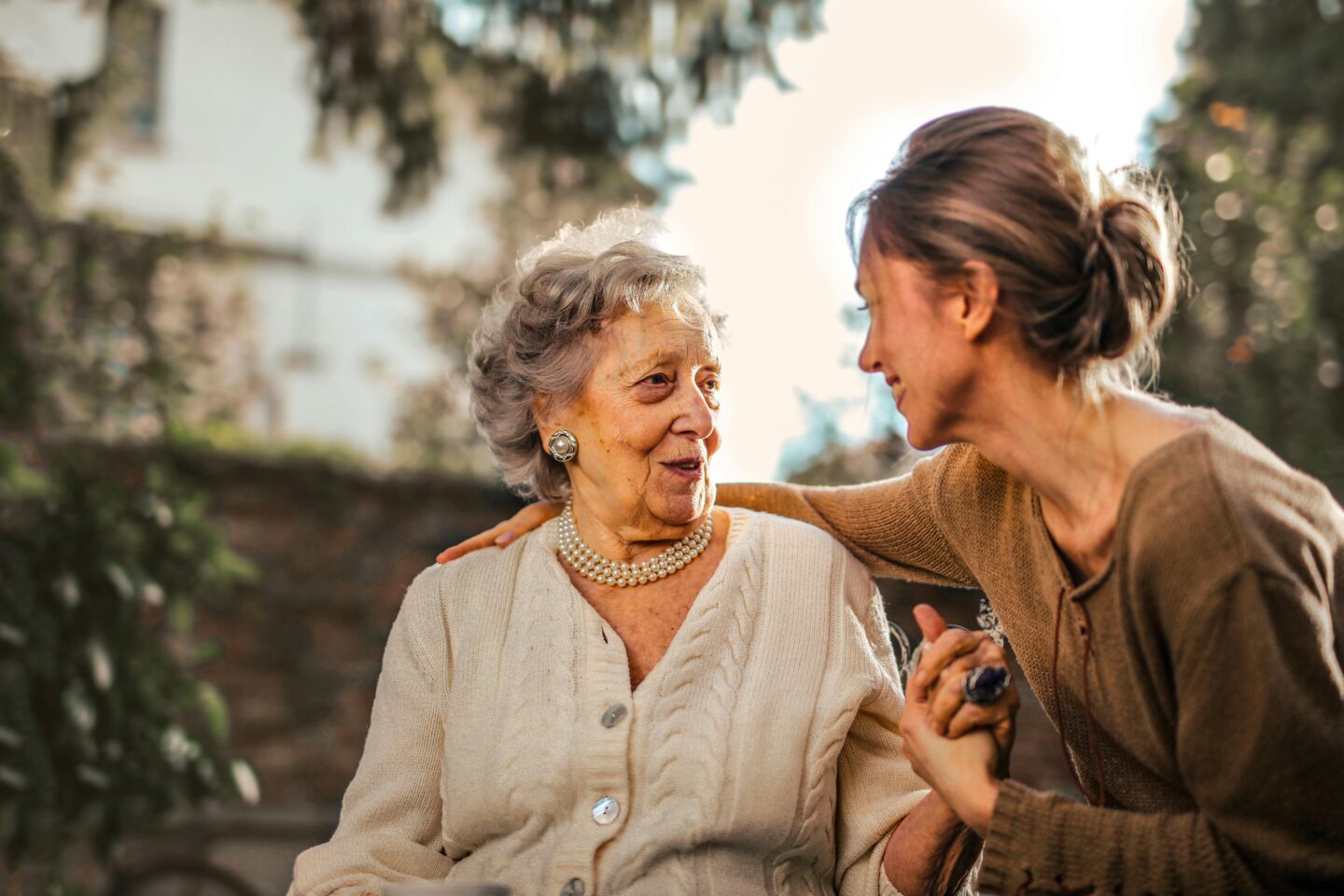
As you get older, your care needs will often become more advanced. This is part of life! Many people find that rather than having care needs becoming more extensive in one area, they may spread across many parts of life, leading to questions about the different types of care that become available in certain settings or with certain medical professionals.
There are a few, and here are some of the most common care types that you may need as you get older.
Residential Care
Starting with one that many people are aware of, as you get older, you may need to move into a care setting and receive personalised care from professionals. This is called residential care, and such settings are ideal for people who may have complications with their physical and neurological health. The teams in these care settings are highly trained professionals, who aim to keep their residents as independent as possible.
So, if that sounds like something you think you need, contact Signature at Reigate Grange Care Home to find out more about how this may benefit you.
Personal Care
When someone moves into residential care or another care-based setting, one of the main care types that they will likely need help with is personal care to different levels.
The amount of care needed varies from person to person but involves washing, dressing, eating, drinking, and going to the toilet. The teams in these care settings are trained to deliver this care with compassion and professionalism and are aware that many people may find this kind of care embarrassing. However, in all residential settings, this is the most common kind of care needed as mobility levels decline, so it is nothing to feel worried or embarrassed about.
Mental Health Care
When individuals arrive in a residential care setting, they may have experienced loneliness in the community or they may have mental health issues, which can and will be helped by living in a residential setting. Mental health concerns among those who live alone are not uncommon, and when someone moves into a care setting, the caregiving team will discuss a medication or therapy regimen to help get the person feeling better. There are also activities that are designed to help people feel more comfortable and relaxed, so they can be a great setting for people of a certain age who may have concerns with their psychological health.
Dementia Care
Another kind of care that you may need help with as you age is dementia care. This will often be given in a specific environment, such as a residential home with team members who are trained in dementia care. These settings could involve specific colour schemes and signposts, and may have specific grab rails.
Nursing Care
Lastly, another common type of care you will need as you get older is nursing care. As the name suggests, this is carried out by a registered nurse and will medical assessments and the administeration of medications. Many older people may have issues with their skin and sores, which can also be managed with the help of a nurse. Indeed, nursing care is ideal for people who have multiple illnesses and cannot manage their medication on their own.
Thank you for reading.







