Have you ever thought about how much value a bathroom renovation could add to your home? Bathroom upgrades are known to bring in a return on investment of over 60%, making them one of the smartest home improvement choices. In competitive real estate markets, like in Columbia, South Carolina, these renovations can make even more of a difference, helping homeowners attract buyers and increase property value. However, while a bathroom renovation can be rewarding, it’s also easy to make costly mistakes along the way.
From poor planning to choosing the wrong materials, common errors can lead to delays, extra expenses, and a finished space that doesn’t quite meet your expectations. To help you avoid these issues and get the most out of your renovation, it’s important to know what pitfalls to watch out for and how to steer clear of them.
In this blog, we will discuss common bathroom renovation mistakes and how you can avoid them for a successful project.
Overlooking Practical Layout Considerations
In the excitement of choosing tiles, fixtures, and other design elements, it’s easy to overlook the practical layout of your bathroom. A well-designed bathroom isn’t just about how it looks but also how it functions on a daily basis. You want to make sure that your sink, toilet, shower, and other features are positioned in a way that maximizes comfort and usability.
For example, placing a toilet or sink in a location that makes it difficult to move around can make the space feel cramped and inconvenient. Similarly, failing to consider how doors and cabinets open can lead to awkward or tight spaces.
If you’re considering replacing your old bathtub or making other significant changes, it’s wise to seek professional advice. Consulting with reliable Columbia tub replacement experts can help you choose the best layout and placement, making the renovation process smoother and more efficient.
Choosing Style Over Functionality
While aesthetics are an important part of any renovation, choosing style over functionality can be a costly mistake. It’s easy to get carried away with trendy fixtures or unique design elements, but they need to serve your practical needs as well. For instance, a stylish but uncomfortable bathtub or a chic faucet that doesn’t fit your water pressure can quickly become frustrating.
When making decisions, think about how the features will be used on a daily basis. Your renovation should not only look great but also work for your needs. Always balance design choices with practicality to create a bathroom that’s both beautiful and functional. It’s possible to strike the right balance between beauty and utility by exploring timeless options. For example, you can add victorian style bathroom suites that offer both elegance and everyday usability.
Underestimating the Budget
Another common mistake in bathroom renovations is underestimating the budget. It’s easy to get caught up in the excitement of choosing new fixtures and finishes, but failing to accurately calculate the costs can lead to problems later on. Many homeowners start with a budget in mind, only to find that unexpected expenses—such as plumbing issues, material upgrades, or labor costs—push them over that limit.
And, of course, do not forget to add a buffer to your budget, as unforeseen expenses are inevitable. A good rule of thumb is to allocate an additional 10-15% for unexpected costs. Research the prices of materials and labor ahead of time, and be realistic about what you can afford. Sticking to a clear and well-thought-out budget will prevent you from overspending and regretting your decisions down the line.
Choosing Poor-Quality Materials
Trying to save money by opting for cheaper materials might seem like a good idea initially, but it can backfire in the long run. Bathrooms are exposed to constant moisture, heat, and wear, and poor-quality materials are more likely to show signs of damage quickly. Tiles that crack easily, faucets that corrode, or flooring that warps can lead to expensive repairs or replacements in the future.
Instead of focusing solely on price, look for durable and water-resistant materials that can withstand the conditions of a bathroom. For instance, choosing high-quality tiles, moisture-resistant drywall, and long-lasting fixtures will save you money in the long run, as they will require fewer repairs and replacements over time.
Ignoring Ventilation Needs
Bathrooms generate a lot of moisture, which, if not properly ventilated, can lead to mold and mildew growth. This not only damages the walls and fixtures but can also create health hazards. A poorly ventilated bathroom will also cause paint to peel and materials to deteriorate faster.
Make sure your renovation plan includes proper ventilation, such as installing or upgrading an exhaust fan. An exhaust fan helps to remove humidity from the room, preventing moisture-related issues and improving air quality. If your bathroom lacks proper ventilation, addressing this issue during your renovation can save you from significant problems down the line.
Attempting DIY Beyond Your Skills
Taking on a bathroom renovation project yourself can seem like a great way to save money, but it’s important to know your limits. While some tasks, like painting or installing a new mirror, can be done by homeowners with basic DIY skills, more complex tasks such as plumbing, electrical work, or installing a bathtub are better left to professionals. Attempting to handle these on your own without the necessary skills can lead to costly mistakes, safety hazards, and subpar results.
Hiring a licensed contractor or plumber for the more technical aspects of your renovation can prevent major issues from arising later. Even though hiring professionals may cost more upfront, it can save you time, money, and frustration in the long run.
Neglecting Storage Needs
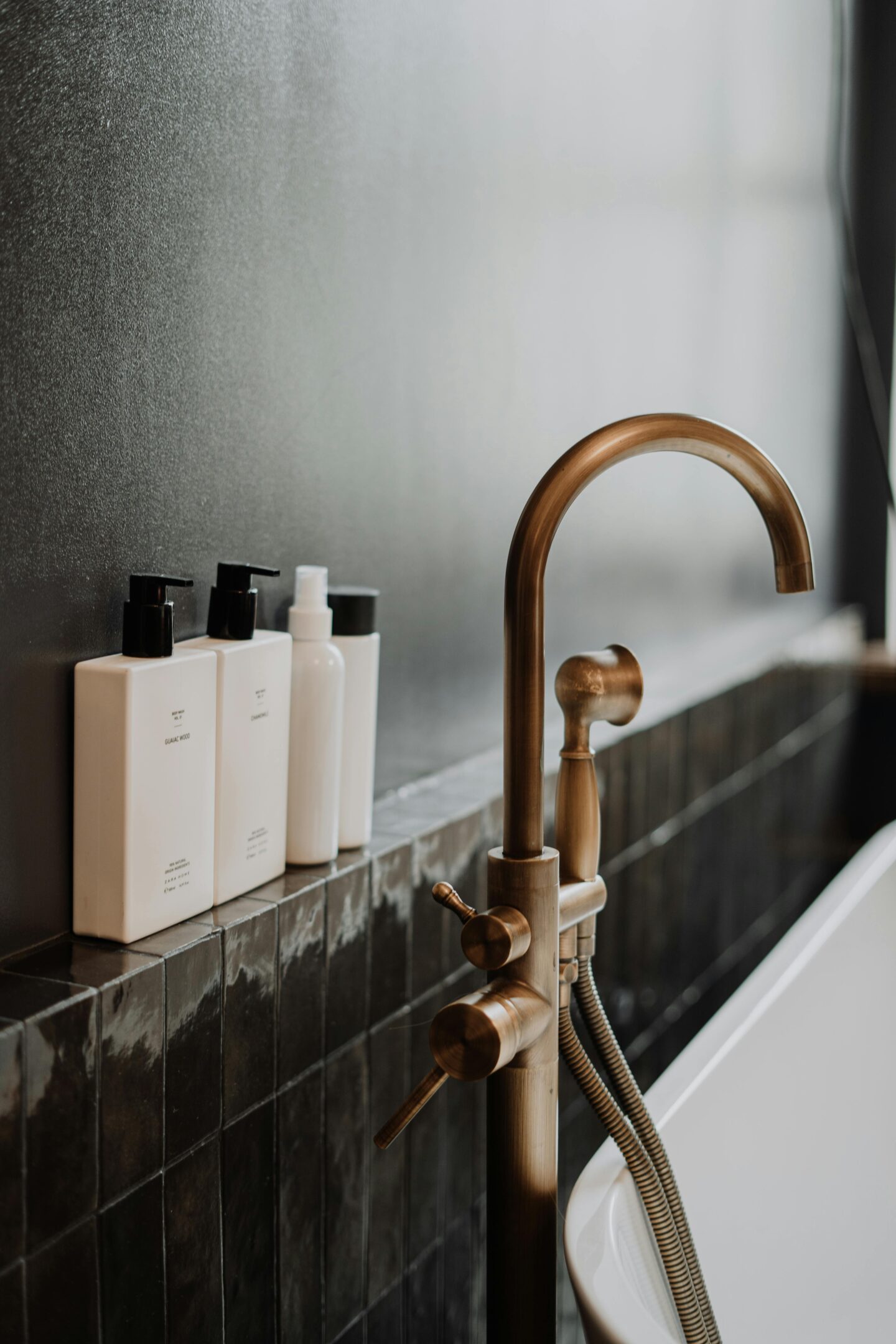
One mistake often made during bathroom renovations is failing to prioritize storage. A bathroom without adequate storage can quickly become cluttered and difficult to use. When planning your renovation, it’s essential to consider how much storage you’ll need for daily items such as toiletries, towels, and cleaning supplies.
To avoid this mistake, consider built-in shelving, wall-mounted cabinets, or vanity units with ample storage space. Having enough room for your essentials not only keeps the bathroom tidy but also makes it more functional. Carefully planning storage solutions can maximize the space in both large and small bathrooms.
In the end, bathroom renovations are about more than just appearances—they’re about creating a space that meets your everyday needs. As you move forward with your renovation, think carefully about how each decision will affect your daily life and the comfort of your home. Rather than focusing only on trends or appearances, consider how the space can be designed to function in a way that truly suits you. How can your bathroom be both practical and a place of relaxation? The choices you make today will have a lasting impact on how you enjoy your home in the future, so it’s important to make thoughtful decisions.
Thank you for reading.







