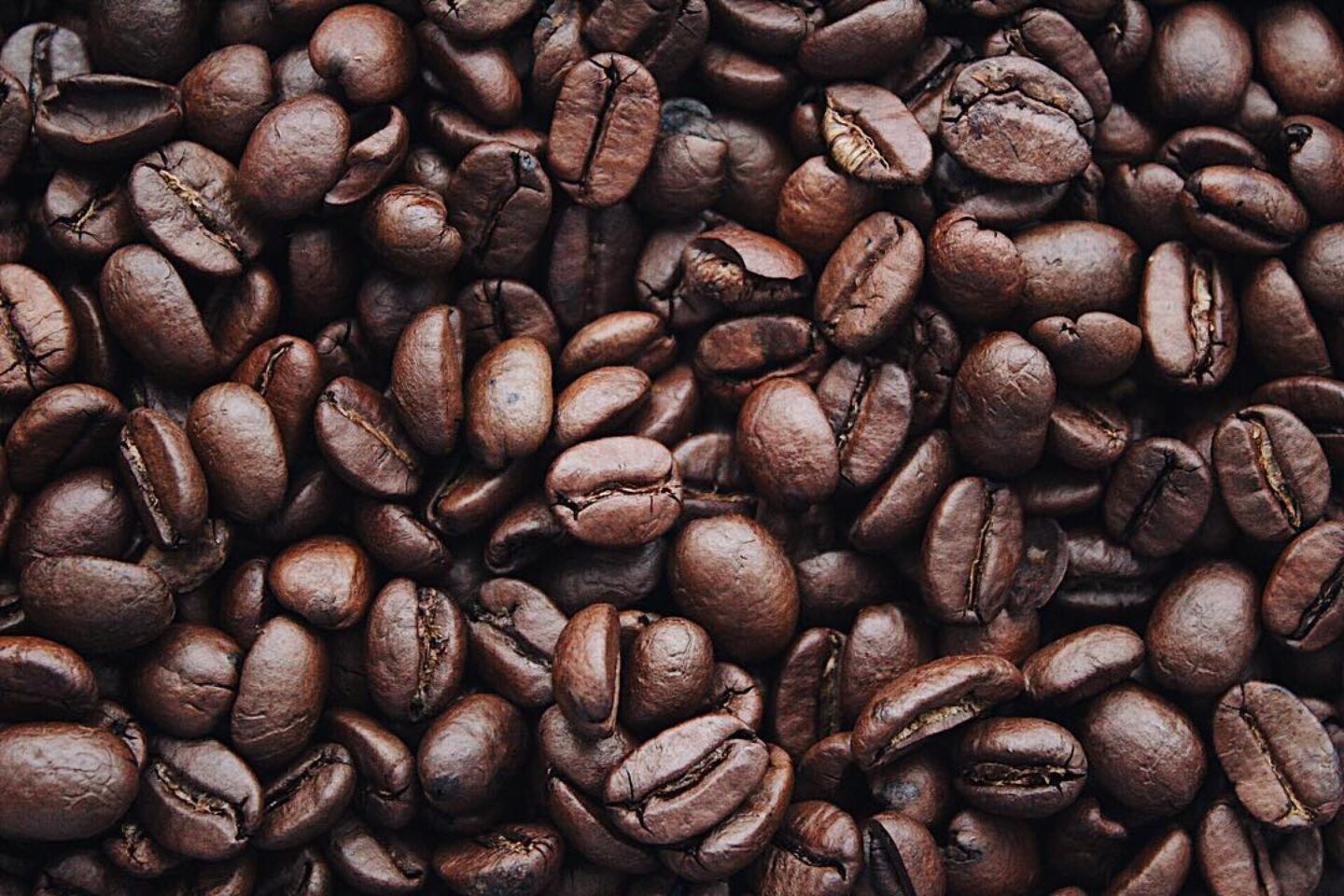
Part of the beauty of being a coffee connoisseur is knowing exactly what you like- and the magic codewords to unlock it. It’s like belonging to the world’s most well-caffeinated secret society! The amount of jargon in the coffee bean world can be very intimidating, however. Today we’re here with a basic guide to understanding coffee terms, so you always feel confident in what you’re buying and brewing.

Photo: coffeefriend.co.uk
Coffee Bean Basics
Let’s start with the basics. Coffee Beans are the hard, roasted bean-like nuggets sophisticated coffees are brewed from. You will first grind the beans. Pre-ground beans are sold refined, but lose some oils and freshness in the process. Instant coffee undergoes a lengthy process to ensure it can be immediately dissolved in water instead of brewed and extracted– the process of pouring hot water through the coffee grounds and allowing it to infuse. Convenient for a quick pick-me-up, but you lose a lot of the taste and aroma of the original beans and get a vastly inferior cup with instant coffee. Coffee beans are the seeds of the coffee plant, found inside the coffee cherry/fruit. Green coffee beans are raw/unroasted.
Diving Deeper into Coffee Beans
Arabica (Coffea arabica) and Robusta (Coffea canephora) are the two most common species of coffee. Arabica beans are grown at higher elevations and have a mild, nuanced taste. They are high-quality and flavorful. Robusta has more caffeine, but it is stronger and more bitter.
Single-Origin coffee beans come from one geographic location, or even one plantation/estate. They usually showcase a specific, unique flavour characteristic. Micro-lots are like single origin, but from just one section of a farm. Blends, as you’d expect, are coffee bean mixes, bringing specific flavour profiles or balancing characteristics for consistency and a certain taste experience.
Sustainable coffees use environmentally and socially responsible practices, including fair trade, organic farming, and responsible sourcing.
Making Coffee Beans
The coffee seed leaves the cherry through processing, the technique used to remove the fruity layers. Common methods include washed (wet-processed), natural (dry-processed), and honey-processed. Sometimes beans ferment a little in the processing.
All coffee beans (bar green coffee) are roasted to develop their aroma, colour, and flavour. Roast levels are how much roasting the bean gets, which impacts the flavour and aroma. Common roast levels include light, medium, medium-dark, and dark roasts.
This is partially determined by cracks- the popping noise the beans make while roasting, just like popcorn. The first crack typically gives light-medium roasts, and the second crack gives darker roasts. In between we have medium-dark full city roasts, where the beans develop oil on the surface after the first crack but haven’t quite reached the second, and dark French roasts, characterised by shiny beans from the released oils.
Describing Coffee Tastes
The flavour profile is a cumulative idea of the drinking experience- think nutty, chocolaty, floral, spicy, and more. Wine and coffee share a lot of descriptive terminology, but differ on one thing. In coffee, acidity is desirable, meaning the brightness or ‘tanginess’ of the flavour. It is not related to pH level as in wine, but rather to the perceived ‘liveliness’ of the coffee. Otherwise, body (the weight and thickness of the coffee on the tongue, ranging from light to full-bodied) and tasting notes (the stand-out characteristics in a coffee’s flavour profile, like berry, caramel, citrus, and so on). Aroma is, of course, the scent profile.
You can test these fancy ideas of the taste journey waiting for you through cupping, which is effectively wine tasting for coffee- slurp it from a spoon to aerate and enhance the taste.

Photo: coffeefriend.co.uk
Brief Brewing Terms
How finely you grind the beans (grind size) impacts the brewing method, as does the brew ratio of beans to water. You will tamp (evenly press down) the coffee grounds into the filter if using an espresso machine.
French Press brewing uses a plunger in the pot to separate the grounds. Pour-over is a manual and precise brew where you pour the water. Drip coffee uses a machine where hot water slowly drips into the grounds- like in most offices. Cold brew means a long, slow, cold water soak of 12-24 hours for a smooth, low-acid, and highly caffeinated coffee.
The Anatomy of a Coffee
You can drink your coffee with milk, often called by the French term au lait, or black (without milk). The crema is the creamy, caramel foam layer that forms on top of a great espresso shot, made from oils and emulsified coffee. Some types of coffee are not strictly tied to the coffee bean used, but rather how you ‘build’ the brewed coffee.
Concentrated coffee brewed by forcing hot water through finely-ground coffee under high pressure makes espresso. It’s strong, thick, and rich, topped with crema. Equal parts espresso, steamed milk, and foam make a cappuccino. Lattes are very similar but have more milk than foam and no clear layers like cappuccino. Americanos are not normal coffees, but rather diluted espresso that seems like a regular brewed coffee.
With these terms under your belt, you can navigate coffee shop menus, discuss your favourites, and enhance your overall coffee experience like a pro. Have fun!
Thank you for reading.