Most parents who cook for their families are reasonably careful in the kitchen. They check use-by dates, wash their hands before prep, and keep raw meat on the bottom shelf. The basics, more or less, are covered. But there is one step that almost nobody does, and which takes about two minutes: checking whether a product they buy regularly has been recalled.
Why Recalls Miss Most of the Families They Should Reach
Food recalls happen throughout the year across every category – bagged salads, deli meats, and pre-cut vegetables. Responsible brands handle them proactively and make the information publicly available. The Taylor Farms onion recall page is a good example of what this looks like in practice: a single, clearly structured page listing any active notices by product name, date range, and batch code, accessible to any consumer at any time without a login.
The problem is not that brands fail to publish. It is that most families never see it. Supermarket loyalty card alerts are inconsistent. News coverage focuses on major outbreaks rather than the precautionary notices that make up the majority of recalls. The result is a gap: the system works, and most people never know.
What Checking Actually Involves
For any brand you buy regularly in the fresh produce or ready-to-eat category, the process is straightforward. Find the brand’s recall page, note the active notices, if any, and check whether the product name, date range, and batch code match anything currently in your fridge. If it does not match, carry on as normal. If it does, stop using it and return it to the supermarket for a refund – no receipt required for recalled items at most major retailers.
The Food Standards Agency also publishes a central allergy and recall alerts page covering all active UK notices across every food category. Bookmarking it and scanning it once a month covers most of what a family cook needs to stay across.
Fresh-Cut Produce Is the Category Worth Watching Most
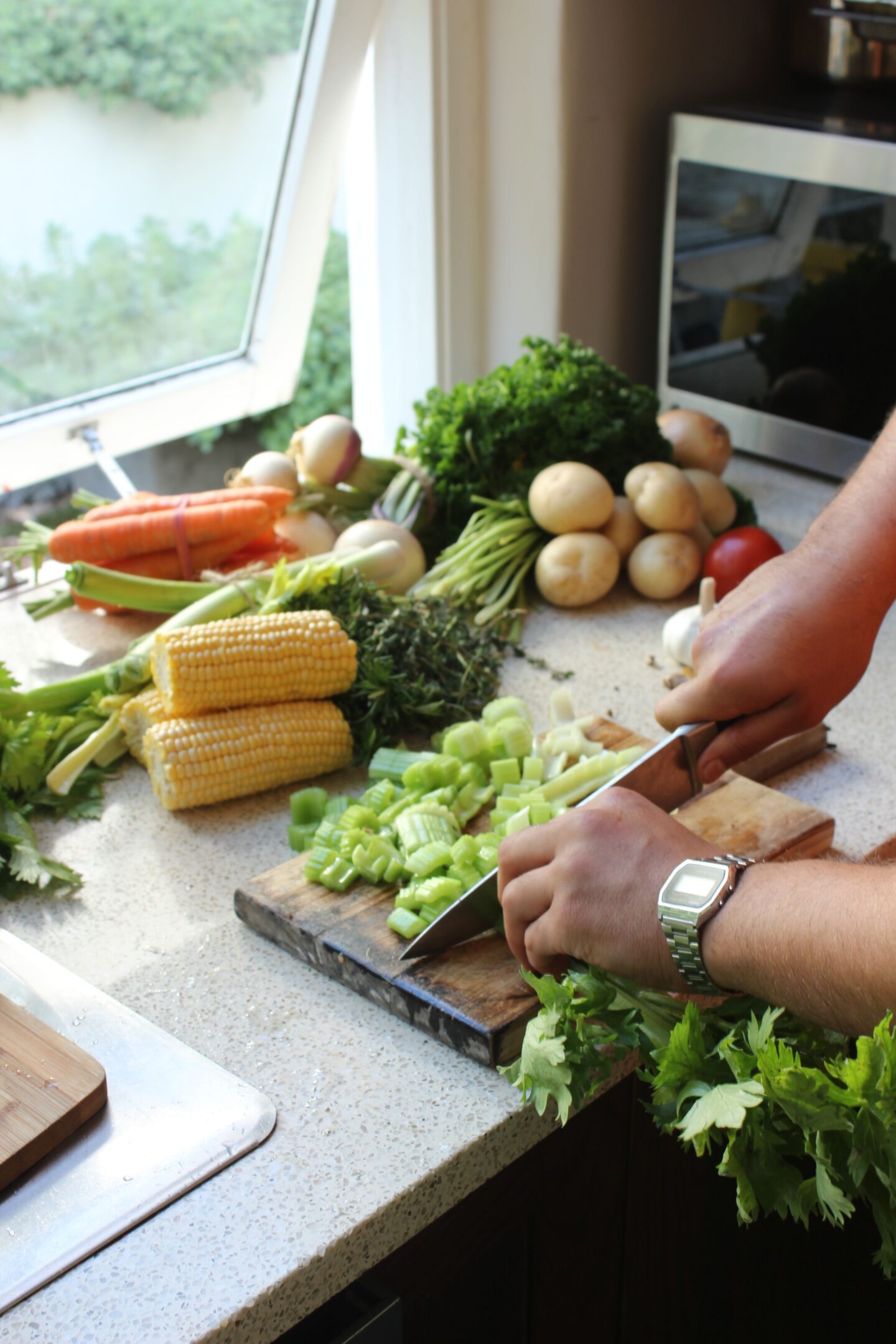
Pre-washed salads, prepared vegetables, and fresh-cut fruit are among the most frequently recalled food categories because they are consumed raw and undergo more handling stages between farm and fridge than whole produce does. They are also the products that many busy families rely on most for quick weeknight meals.
None of this makes them dangerous to buy – the supply chain is heavily regulated, and the vast majority of recalls are precautionary rather than responsive to confirmed illness. But it does make the habit of occasional checking more relevant for anyone regularly using these products. A quick homemade recipe using a few staple ingredients is a good test case – the dip is only as reliable as what goes into it.
One Habit, Two Minutes a Month
The simplest way to make this stick is to connect it to something already in your routine. When you add a brand to your regular shop, spend thirty seconds finding their recall page and bookmarking it. Over a few months, you will have a small set of pages covering most of what your family regularly eats, and checking them takes less time than writing a shopping list. The families who catch recalls early are not doing anything complicated. They just know where to look.
Thank you for reading.