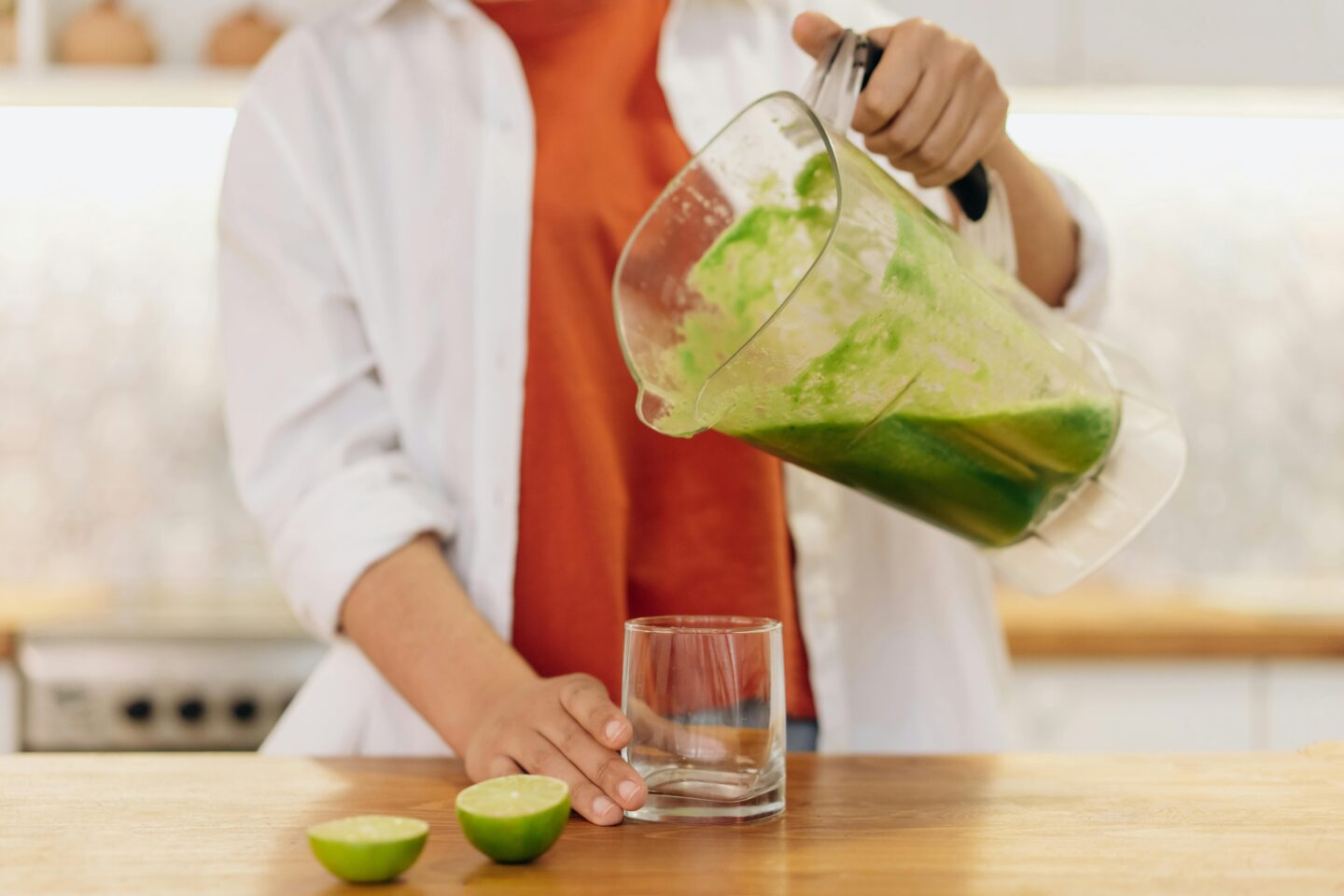
Blenders are one of the most common pieces of kitchen equipment. They come in handy in a multitude of recipes. Cafes, restaurants, juice bars, and bars all have blenders as standard equipment. With a good blender, they can create icy mixed cocktails, soups, smoothies, sauces, and soups. Their versatility helps make being a chef, bartender, and restaurateur more efficient. By optimizing food prep and other kitchen duties, kitchen staff are able to be more efficient and have more time to better service their customers.
1. Power
The best thing about a commercial blender is the amount of power it has and the amount of power it consumes. The stronger the motor, the better suited it will be for making quick work of common kitchen tasks. But if the blender is going to place too large of a demand on the electrical system, you may need to consider a different commercial blender. To discover just how much power a blender has and consumes, check your model’s user manual or its label, typically found on the back or bottom of the unit. What you see is the maximum amount of power the blender draws. Many commercial blenders will have several power settings that allow you to use the maximum power you need for the task at hand.
2. Capacity
You also want to know just how much food your blender can handle at one time. It’s best not to overfill your blender for optimal results. It’s a great idea to have an idea of how much you plan on trying to process at once. Having clear plans will be useful when choosing the best commercial blender to service your needs. Because commercial blenders can handle considerably more than a regular blender, the pitcher’s capacity will be at least 0.9 liters or as much as 1.5 liters. Establishments that have to handle large volumes of customers at a time will want to opt for larger capacities, while smaller businesses that don’t see too much traffic will do fine with a smaller capacity blender.
3. Durability
The last thing you want to do is buy a commercial blender every couple of years. You want to choose a unit that is durable and meets your needs. A blender is a very common piece of kitchen equipment that gets a lot of daily use. You don’t want it to break down on you in the middle of service. A good commercial blender should be able to handle the heavy-duty demand of a food business without missing a beat. On average, a professional commercial blender can last for 10 years when well cared for. When considering kitchen blenders, pay close attention to the motor’s housing, the pitcher, and any detachable parts. You want to see sturdy materials with tight fittings. Think about who will be handling it and what kinds of tasks it will be used for.
4. Ease of Use
Blenders should be fairly straightforward to use. When you have multiple staff members using kitchen equipment, it helps to have a unit that is simple to use and effective. Even if there is only one staff member operating the blender, there are likely many different tasks being handled simultaneously. Easy to use equipment makes for more efficient work and improves employee productivity. It seems like a good idea to have a blender with all the bells and whistles with many features, buttons, and settings. While they can be useful, they need to be self-explanatory. No one wants to be in the middle of a rush and have to figure out how to operate a basic commercial kitchen appliance.
5. Features
It’s nice to have features that will make your kitchen run more smoothly. Think about what you do with your blender and how you need it to function before choosing. This will ensure that you do not get distracted by unnecessary features that won’t be of service to your business. Advanced technology isn’t a requirement for more simple blender tasks, but you may want to opt for equipment with noise reduction technology. Other features that are nice to have include auto-sensing blades that will adjust their speed according to the ingredients being processed. Limited features are the go-to if you plan on using the equipment for regular kitchen tasks. Blenders with digital displays are helpful because they’re easy to read and many people find the design to be more sleek than others.

6. Care and Maintenance
One consideration that often goes unnoticed is the care and maintenance of the machine. When choosing your restaurant’s blender, think about how it will be cleaned and whether or not replacement parts will be available. It’s nice to save money, but chances are that if the blender is being sold at a heavy discount, it may be discontinued. A discontinued commercial blender may be difficult to find replacement parts for. Accidents are unavoidable in kitchens, and it’s nice to know that you can replace the blender’s pitcher or flange if something unfortunate happens. Also learn what regular maintenance will be needed to keep your commercial blender working well for as long as possible. A tedious cleaning and maintenance routine will affect your staff’s ability to properly care for the blender while also costing you more in labor hours.
Now that you know what to look for in a commercial kitchen blender, you can make a more informed choice for your kitchen. There’s a lot of great options out there, but you want to make sure that you’re making the right choice for your kitchen and your business. It’s tempting to buy that top of the line blender with all of the cool features, but if you don’t have the need for it, there are other choices that will better service you. Don’t skimp on the power. You want to have enough wattage to handle your kitchen needs. And remember to choose something that’s not too complicated. You’ll be ready for smoother kitchen operations in no time.
Thank you for reading.







