
Living with diabetes can be challenging, but with the right approach, it’s possible to manage the condition effectively and reduce the risk of complications.
From monitoring blood sugar levels to making healthy lifestyle choices, there are several strategies that can help individuals with diabetes lead fulfilling lives.
In this article, we’ll explore seven practical ways to redefine diabetes care and minimize the risk of complications.
Go on reading!
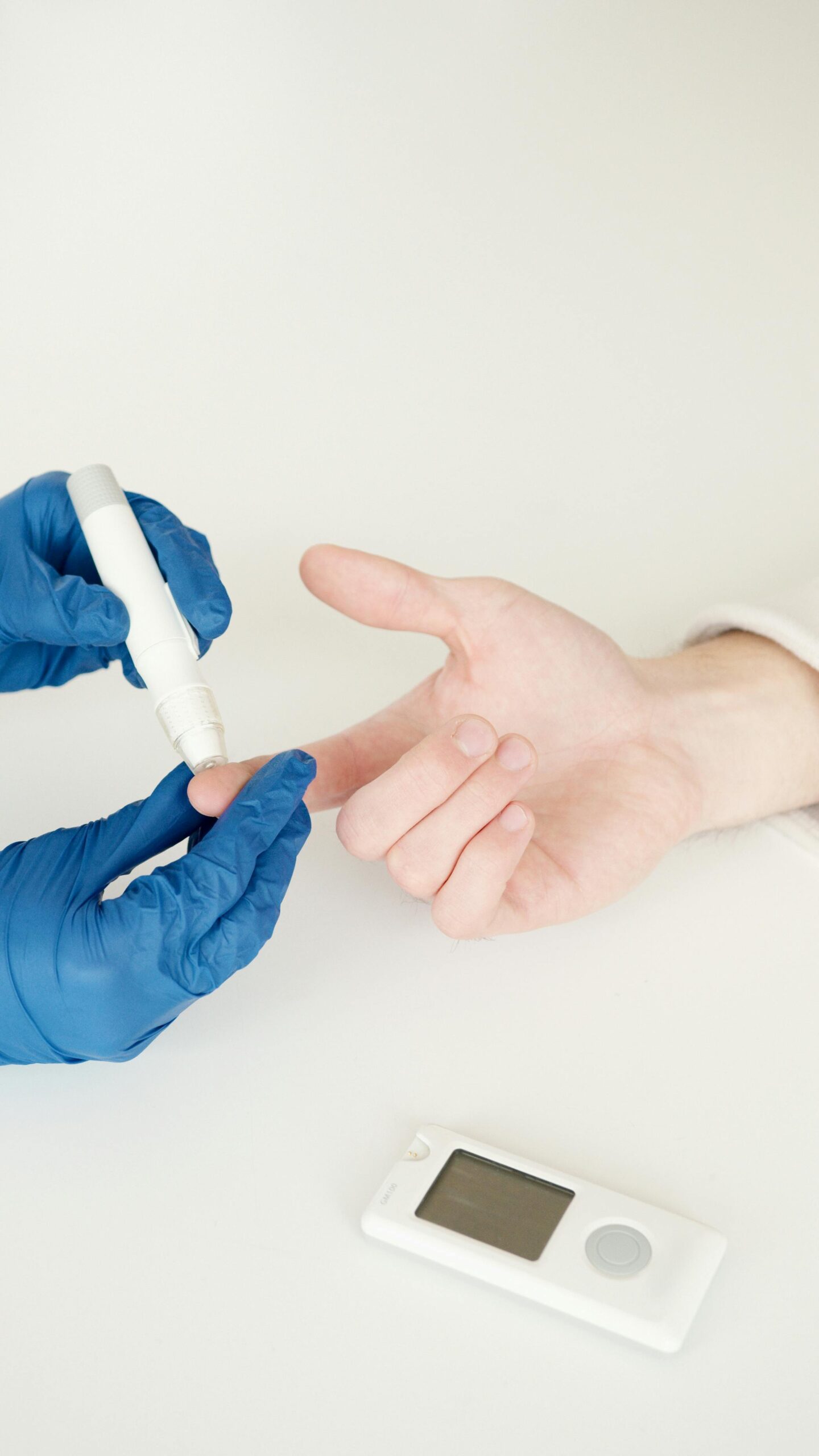
- Monitor Blood Sugar Levels Regularly: One of the most important aspects of diabetes management is keeping blood sugar levels within a target range. By checking your blood sugar levels regularly, you can track how your body responds to food, exercise, and medication, allowing you to make timely adjustments to your treatment plan. Monitoring helps prevent both hyperglycemia (high blood sugar) and hypoglycemia (low blood sugar), reducing the risk of complications. It empowers individuals with diabetes to take control of their health and make informed decisions about their lifestyle and medication management.
- Follow a Balanced Diet: Following a balanced diet is essential for individuals with diabetes to maintain stable blood sugar levels and prevent complications. A balanced diet includes a variety of nutrient-rich foods such as fruits, vegetables, lean proteins, whole grains, and healthy fats. By incorporating these foods into your meals and snacks, you can ensure that your body receives the essential nutrients it needs while avoiding spikes in blood sugar. Additionally, focusing on portion control and limiting the intake of sugary, processed foods can help regulate blood sugar levels and support overall health and well-being for individuals with diabetes. Understanding the impact of the toxic food system is crucial in making informed dietary choices and promoting long-term health.
- Manage your weight: Managing weight is crucial for individuals with diabetes as it can help improve blood sugar control and reduce the risk of complications. While diet and exercise play key roles, some individuals may struggle to achieve weight loss goals through traditional methods alone. In such cases, exploring alternative options like semaglutide treatment can be beneficial. Semaglutide is a medication that has been shown to aid in weight loss and improve glycemic control in people with type 2 diabetes. By enhancing feelings of fullness and reducing appetite, semaglutide treatment can support weight management efforts and improve overall health outcomes for individuals with diabetes.
- Stay Active: Regular physical activity is essential for managing diabetes and improving overall well-being. Exercise helps lower blood sugar levels, improve insulin sensitivity, and reduce the risk of heart disease and other complications associated with diabetes. Aim for at least 150 minutes of moderate-intensity exercise per week, such as brisk walking, cycling, swimming, or dancing, and incorporate strength training exercises two to three times per week for added benefits.
- Manage Stress: Managing stress is crucial for individuals with diabetes as it can affect blood sugar levels and overall health. Chronic stress triggers the release of stress hormones, which can lead to spikes in blood sugar and increase the risk of complications. Finding healthy ways to cope with stress, such as practicing relaxation techniques, mindfulness meditation, deep breathing exercises, or engaging in enjoyable activities, can help lower stress levels and improve diabetes management. By incorporating stress-reducing practices into your daily routine, you can support better blood sugar control and enhance your overall well-being while living with diabetes.
- Take Medications as Prescribed: For many individuals with diabetes, medications such as insulin or oral medications are necessary to help control blood sugar levels. It’s important to take these medications as prescribed by your healthcare provider and to follow their instructions carefully. Skipping doses or adjusting medication without medical supervision can lead to complications and worsen diabetes control.
- Regularly Visit Healthcare Providers: Regular check-ups with healthcare providers, including your primary care physician, endocrinologist, and other specialists, are essential for managing diabetes and preventing complications. These appointments allow healthcare providers to monitor your condition, adjust treatment plans as needed, and address any concerns or questions you may have.
- Stay Informed and Educated: Knowledge is power when it comes to managing diabetes. Stay informed about the latest research, treatment options, and self-care strategies by attending diabetes education classes, reading reputable sources, and staying connected with healthcare professionals and support groups. Being educated about your condition empowers you to make informed decisions and take control of your health.
The Bottom Line
Redefining diabetes care involves taking a proactive approach to managing the condition and minimizing the risk of complications.
By monitoring blood sugar levels regularly, following a balanced diet, staying active, managing stress, taking medications as prescribed, regularly visiting healthcare providers, and staying informed and educated, individuals with diabetes can lead fulfilling lives and reduce the risk of long-term complications.
With dedication, support, and a focus on self-care, it’s possible to thrive with diabetes and enjoy a high quality of life.
Thank you for reading.







