
There are few things as vital to the health and happiness of your home as being able to heat it up effectively. This is especially true in the winter when the chill seems to want to get into your house through any means necessary. However, simply keeping an oil heater running at full blast all the time isn’t a good solution for anyone. Aside from being more and more expensive, nowadays, it also might not be in keeping with your desire for a sustainable lifestyle. As such, here, we’re going to look at eco-friendly options for your home heating.
Insulate It, First and Foremost
Before you start thinking about how you actually introduce heat into the house, you should make sure that it’s not ready to escape just as quickly. If you’re looking to conserve your energy use, then making sure that your home is well-insulated should be your first priority. You can install insulation foam in a host of different spaces in the home, including your walls, attic spaces, and floors. Each of these spots can be an active source of heat loss, and sealing them up allows you to keep your home warmer. By keeping the heat in the home for longer, you don’t have to keep your heating on to replace what’s lost.
Keep An Eye Out For Drafts
While insulation might help you keep the heating in your home, drafts will do the exact opposite. These little air gaps, which can appear in many different parts of the home, can siphon heat from within. The most common culprits are your doors and windows. If there are gaps in the sides of them, then you’re going to likely be able to feel a draft when you run your fingers over the sealant or seams, indicating that you might need to use caulk to seal them up. The roof is another major source of air leaks, and you may need a roof repair or replacement if you have any cracked, damaged, or missing tiles. Aside from letting the heat out, these problems can also let the rainwater in, increasing the risk of water damage and mold growth.
Put Up Thermal Curtains
Keeping with the theme of doing more to keep the heat inside your home, another way to prevent it from escaping is to install some thermal curtains. Even if you don’t have any air gaps in your windows, they are still going to be a source of heat loss, as the heat can leak out through the panes of glass. This is especially true if you’re not able to install additional glazing right now. Thermal curtains are designed to block out cold air, while also retaining heat. They trap a layer of air between the curtain and window, while at the same time being made of a temperature that prevents heat transfer. This gives another additional two barriers between the windows and the heat in the home. This is especially helpful at night, when temperatures drop steeply outdoors, and the heat tries to escape the home more rapidly.

Upgrade Your Glazing
While it might be a more expensive option than a pair of thermal curtains, replacing your old windows with a more energy-efficient model is going to have a much bigger impact. Double glazing works much in the same way thermal curtains do, using two panes of glass to trap air between them. These air pockets prevent the easy transfer of heat, improving the energy efficiency of the home. While double glazing is becoming a standard feature in many homes, especially in colder environments, today, you can also upgrade up to triple glazing, working in much the same way but with double the effectiveness.
Use The Heat In The Air Around You
Now, let’s take a look at some of the options that can actually help you heat up the home in an eco-friendly way. One option that has been growing more popular as of late is that of a heat pump. There are different kinds of heat pumps, but they all typically work in the same way: by extracting heat from an external source and transferring it into the home. Heat can be extracted from the outside air, the ground, or even water, which is used to heat up the air and water that can then be introduced through the home’s ventilation system. Aside from being one of the most efficient heating methods, they also have the benefit of being able to work in just about any climate.
Consider The Power Of The Sun
Solar energy has largely been the most popular option to consider for all eco-friendly energy matters. Aside from being the most aesthetically notable option, showing your clear commitment to the environment, they are becoming more and more efficient as of late. Solar panels use photovoltaic cells to capture the heat transmitted by the rays of light given off by the sun and that heat is then transferred to heat pumps, radiators, water heaters, and more. One of the big drawbacks of solar energy is that it is location-dependent. You need to be in an area where it’s able to routinely capture sunlight to see major savings on your heating costs. The initial installation cost can be a concern for some, too, though there are some public funding intitaitives such as grants that can help you meet those initial costs more easily.
Switching To A Cleaner Fuel
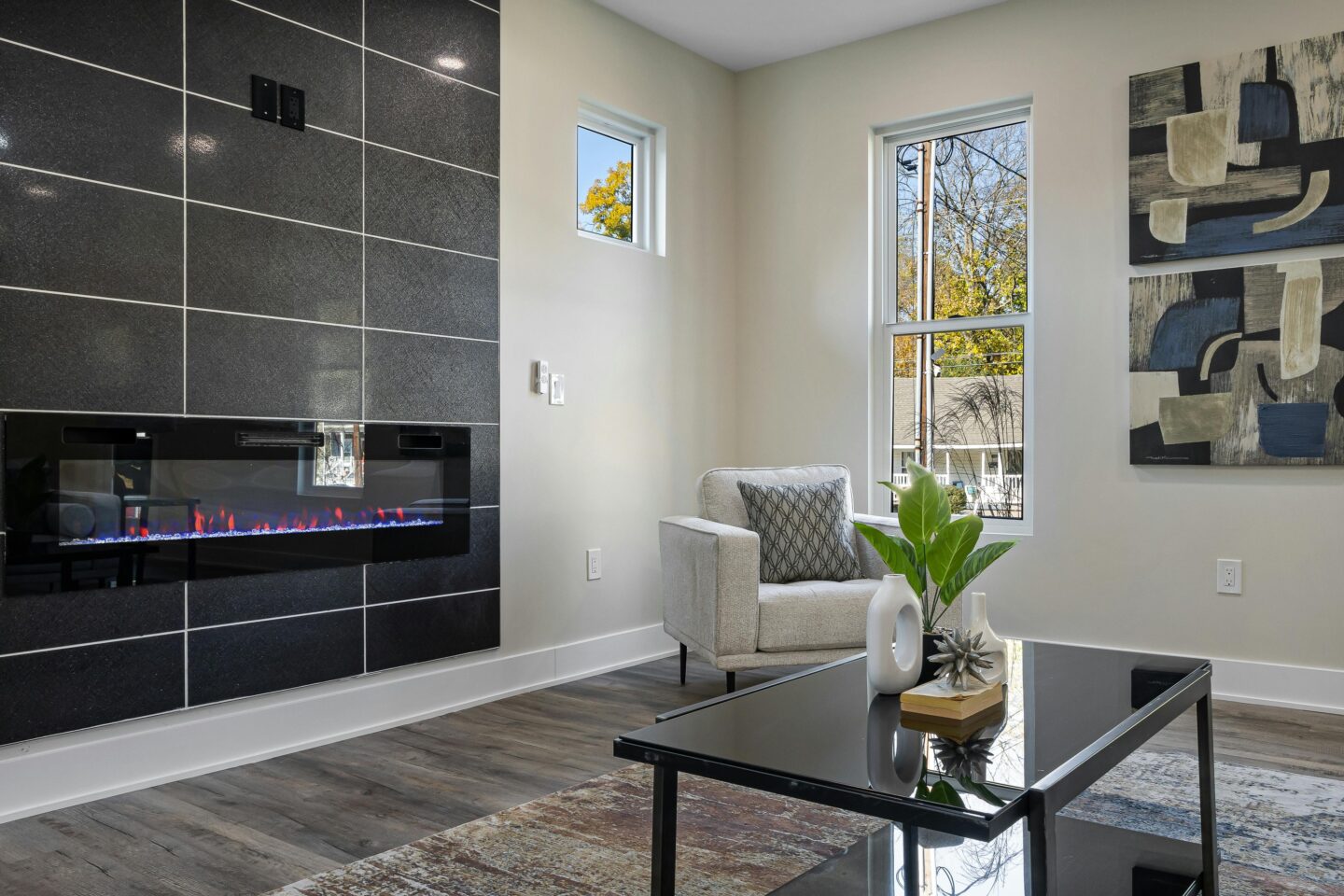
One of the challenges of many modern heating elements is that they can be dependent on weather conditions and other factors that aren’t always easy to predict or rely on. As such, a lot of effort has gone into searching for reliable, environmentally friendly and energy-efficient fuel sources, and a bioethanol fireplace might the solution that best fits your needs. Bioethanol is a liquid fuel made from biological matter like plants, crops, and green waste, that is not only sustainable and energy efficient but has nowhere near the ecological footprint of fossil fuels. When burned, bioethanol simply becomes water and carbon dioxide. They’re a relatively easy installation for the home, as well, not being quite as elaborate as installing a heat pump, and they’re easy to maintain, as there’s no soot or debris to clean up as you would have to with a traditional fireplace.
Switch To More Energy Efficient Radiators
As well as looking at the means by which your home generates the heating you rely on, how you distribute it throughout the home is important, as well. To that end, you should look at how efficient your existing radiators are. For one, there are a host of common issues that can plague radiators, making them slow to heat up, and causing them to waste energy. However, newer models of radiators also bring a host of features that can make them a lot more proactive in managing their energy usage. This includes models that use digital thermostats to better manage how much they heat up a given room. Radiators with a larger surface area can also help rooms heat up quicker, even if they use the same amount of hot water to run.
Consider Underfloor Heating
While it might be initially costly to install, there are significant energy-saving benefits to opting for underfloor heating, instead of more traditional options like radiators. As mentioned, having a large surface area can allow you to spread more heat throughout a space without needing too much hot water running through it. Having heating distributed evenly throughout the whole floor is about the most surface area you can ask for. What’s more, underfloor heating uses lower floor temperatures, but you can still reach the desired temperature you want. These work especially well with renewable energy sources that might not be able to reach high temperatures as quickly as fuel sources.
Install A Smart Thermostat
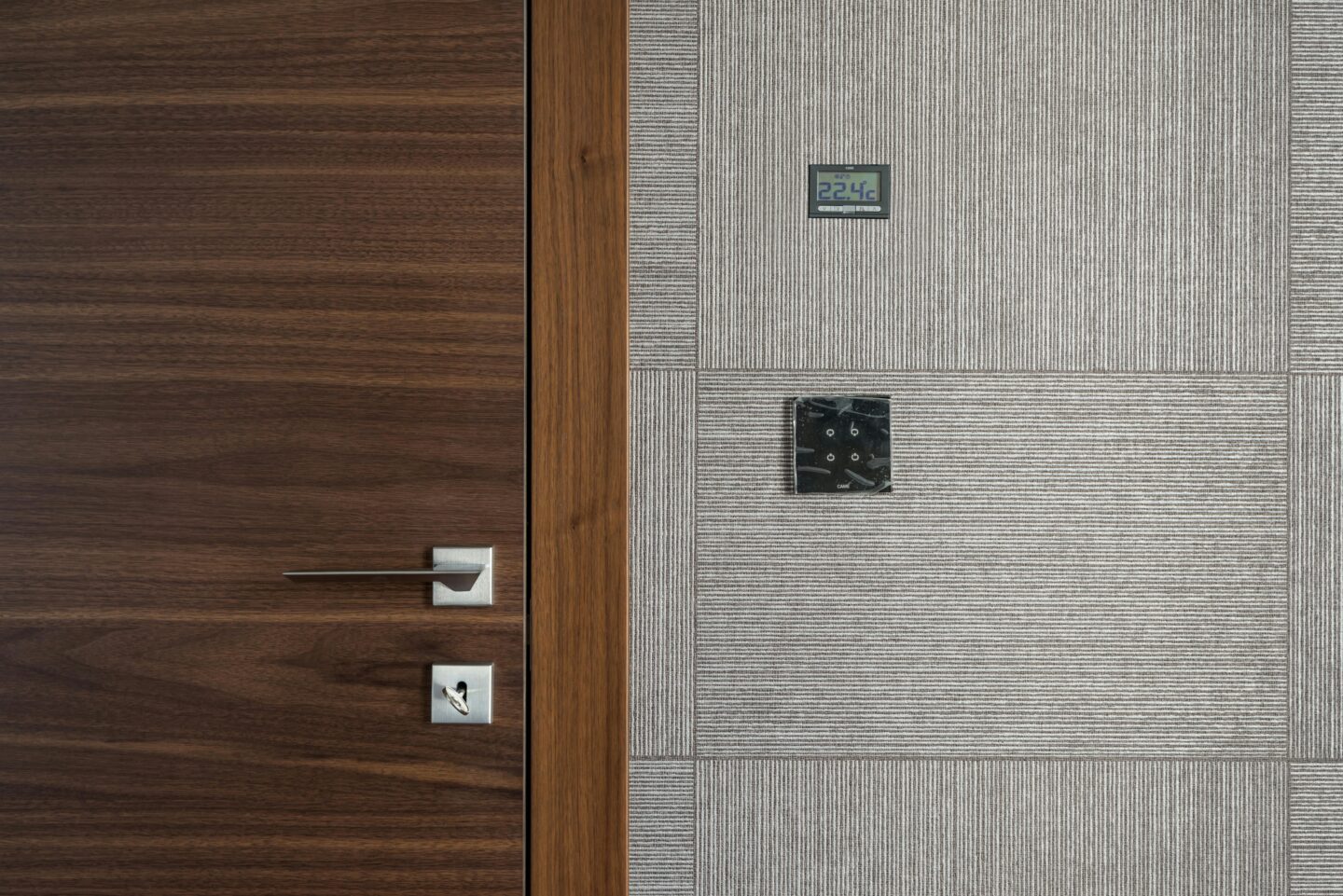
One of the best steps you can take to a more energy-efficient (and cost-effective) heating setup is to better control how much you actually use your heating. One of the better ways to do this is with the help of smart thermostats. A true game changer in many homes, these devices can be manually altered to suit your specific needs at any given time, but they are also able to learn your heating preferences and patterns throughout the day. As such, they can kick in automatically when you’re most likely to need them. They can also be very convenient, as you can control them remotely, such as with a smartphone app. Aside from saving you the walk from the couch to the wall, you can use this to start heating the home on your commute from work, for instance.
The above solutions off ways to heat your home that are more eco-friendly, more budget-friendly, and smarter across the board. Which options are best available to you may depend on factors like location and immediate budget, but there are plenty of worthy solutions to consider, as we’ve hopefully shown.
Thank you for reading.







