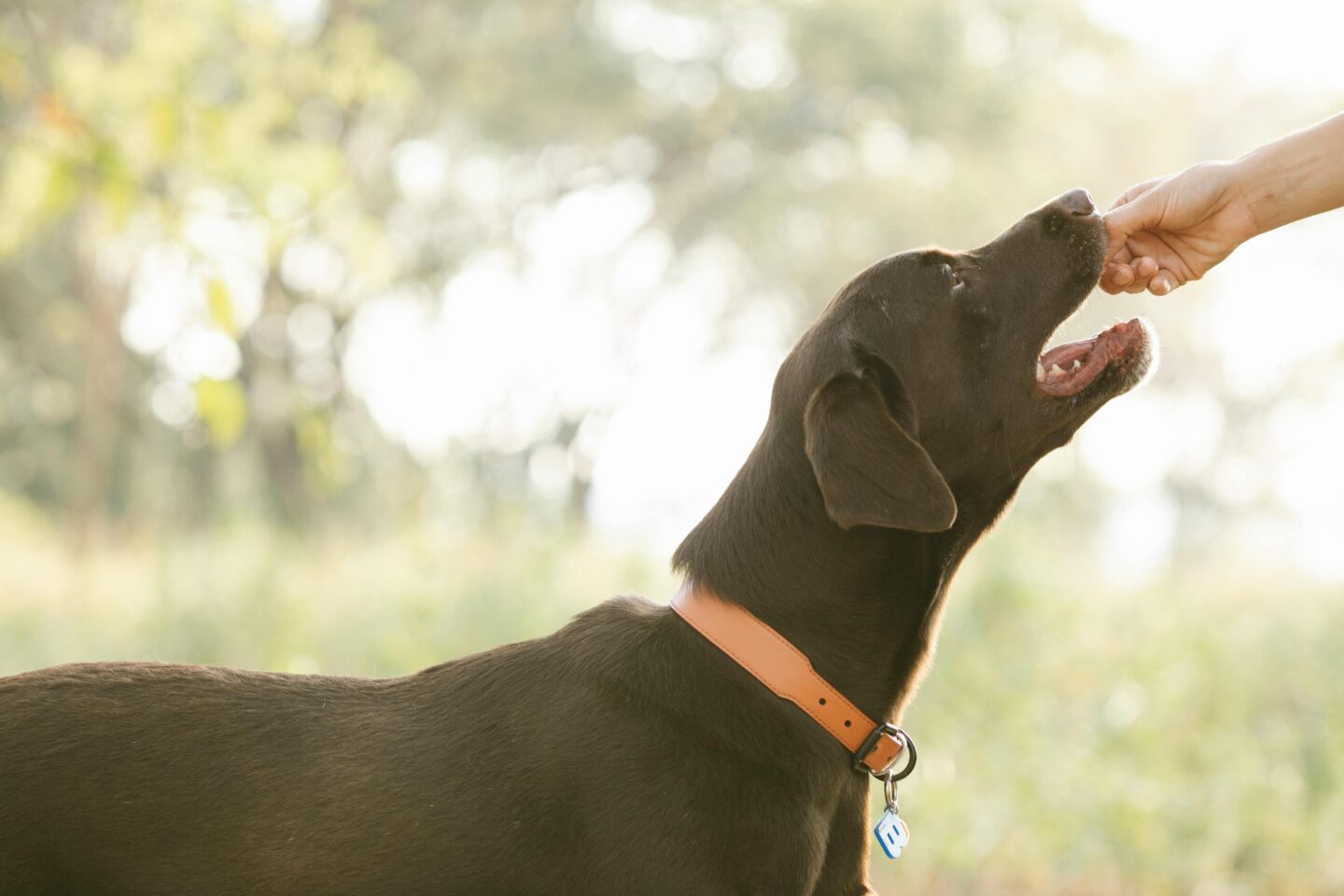
Unfortunately, digestive issues are fairly common in dogs. Whether it stems from illness, infection, or a puppy eating something he shouldn’t have done, an upset stomach is a familiar sight for many owners.
While it’s easy to shrug off digestive issues in dogs as something that might pass in a day or two, there are several situations that call for a trip to the vet. Below, we’ve outlined some of the most frequently overlooked signs of digestive upset in our canine companions.
1. Loss of appetite
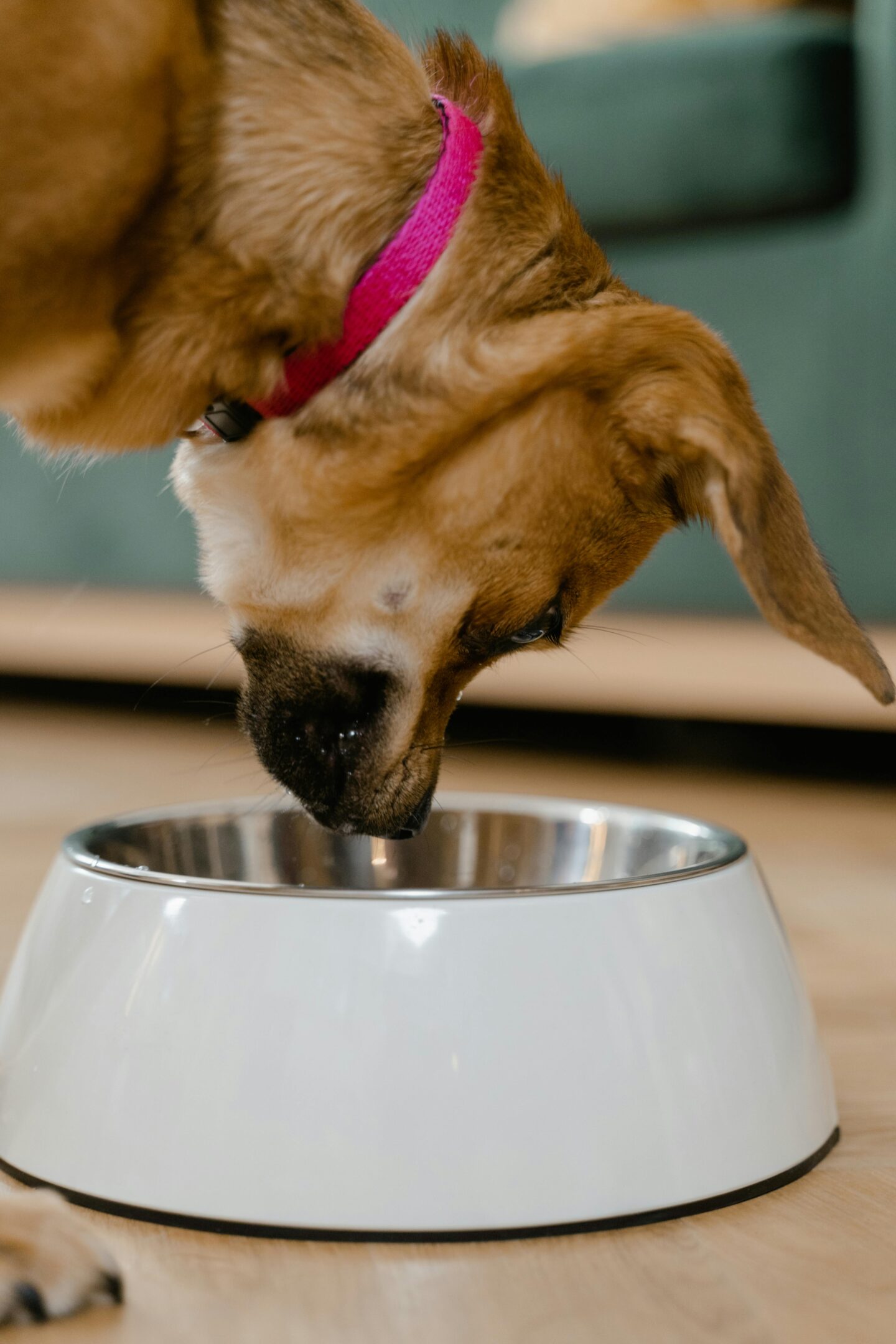
Changes to your dog’s appetite could be the first sign that something could be bothering their tummy. If they’re only picking at their usual meals, leaving some left in the bowl or hardly touching it at all, it’s worth keeping a close eye on the situation.
In the meantime, you should encourage your dog to eat – but don’t force them to take the food. Offer small treats and make sure that your dog is drinking fresh, clean water throughout the day. If your dog still isn’t as hungry as usual after a couple of days, it could be time to take them to the vet.
2. Abdominal pain
If your dog is suffering from abdominal pain, this could point to deeper problems with their gut or overall health. Some dogs hide their pain well, so it can be quite tricky to know whether or not they’re suffering – and to what extent.
Pain in dogs can also manifest as behavioural signs and symptoms, which may include:
- Vocalisation – whining, crying, or barking
- Different posture
- Shyness, including hiding
- Restlessness and difficulty sleeping
- Excessive licking or grooming
If your dog’s abdominal area is causing them pain, it’s very likely that they’ll flinch or try to move away when you touch them there.
3. Diarrhoea
Unfortunately, this uncomfortable problem for your dog is also a very messy one for you! Diarrhoea can be caused by so many different things, but the most common is because the dog ate something that their gut was sensitive to.
It’s up to you to keep an eye on them while you’re out on walks together, which may prevent any nasties being picked up! But if your dog consistently has loose stools, or frequently needs to go to the bathroom urgently, there’s likely an underlying issue at play.
If you haven’t identified a clear cause of your dog’s diarrhoea, there are some preventative measures to take in the meantime. Many owners switch to a sensitive dog food to see gut health improvements, while others focus on trying not to give the dog too many ‘human food’ titbits.
4. Weight loss
Lastly, weight loss can be caused when owners accidentally feed the incorrect food quantity. Sometimes, active or working dogs need to eat much more than the recommended guideline amounts. It’s not always clear if a dog is eating enough straight away, since weight loss can be gradual.
However, sustained or dramatic weight loss despite a dog eating the correct diet could point to more serious issues. One of those is malabsorption, which occurs when a dog’s digestive system fails to take in all the necessary nutrients and vitamins from their diet.
Treatments include changes to their diet, switching to single-protein source diets, or reducing their fibre intake. This can be a worrying time for owners, but most dogs make a full recovery with the correct medical intervention.
Thank you for reading.