A bottle of wine is an easy gift when the buyer knows somebody enjoys it. It becomes less useful when it is included automatically. The recipient may be driving, taking a break from drinking, avoiding alcohol altogether or simply more interested in the food. None of those circumstances requires an explanation before they can receive a thoughtful present.
Drinkaware’s 2026 Monitor gives a current reason to reconsider that automatic choice. It found that 91% of drinkers reported using at least one technique to moderate their alcohol consumption, compared with 87% in 2025. That is not the same as saying that 91% have stopped drinking. It does suggest that choosing when and how much to drink is part of many people’s lives.
Christmas gift buyers can respond by making the food selection enjoyable in its own right. If the contents feel incomplete without alcohol, the selection may need more thought. A recipient who does not want the bottle should still be left with a gift that feels intentional.
Food can carry the occasion
Celebration does not have to depend on a drink. A breakfast selection, afternoon tea gift or savoury box can be built around a moment the recipient enjoys. The food needs to work together, with enough variety to feel considered and enough familiarity to make the contents useful.
Think about combinations rather than adding unrelated products to fill space. Tea and biscuits have an obvious use together. Crackers and chutney can support a savoury spread when paired with suitable food. Chocolate may be a good centrepiece for somebody who prefers sweet treats. These choices give the gift a clear purpose.
Presentation still matters, but it cannot rescue contents chosen without the recipient in mind. An attractive box full of unfamiliar snacks may be less welcome than a modest selection based on a known preference. Start with what the person enjoys, then decide how to package it.
Read the whole hamper contents list
Removing a bottle does not settle every question about alcohol. Some confectionery, preserves, cakes and puddings contain it. A buyer choosing for someone who avoids alcohol needs to check the full product information and ask the supplier about anything unclear.
Christmas hampers should be assessed as complete selections rather than judged by the most prominent item in the photograph. Highland Fayre lists different Christmas collections, including dietary categories, which can help buyers begin their search. Suitability still depends on the exact contents and ingredient information for the hamper being ordered.
Treat low-alcohol drinks and alcohol-free requirements carefully. The terms on a label do not necessarily answer a particular recipient’s needs. When a strict requirement applies, confirm the product details rather than relying on a broad description or assuming that everybody uses those terms in the same way.
Offer a choice before collecting the order
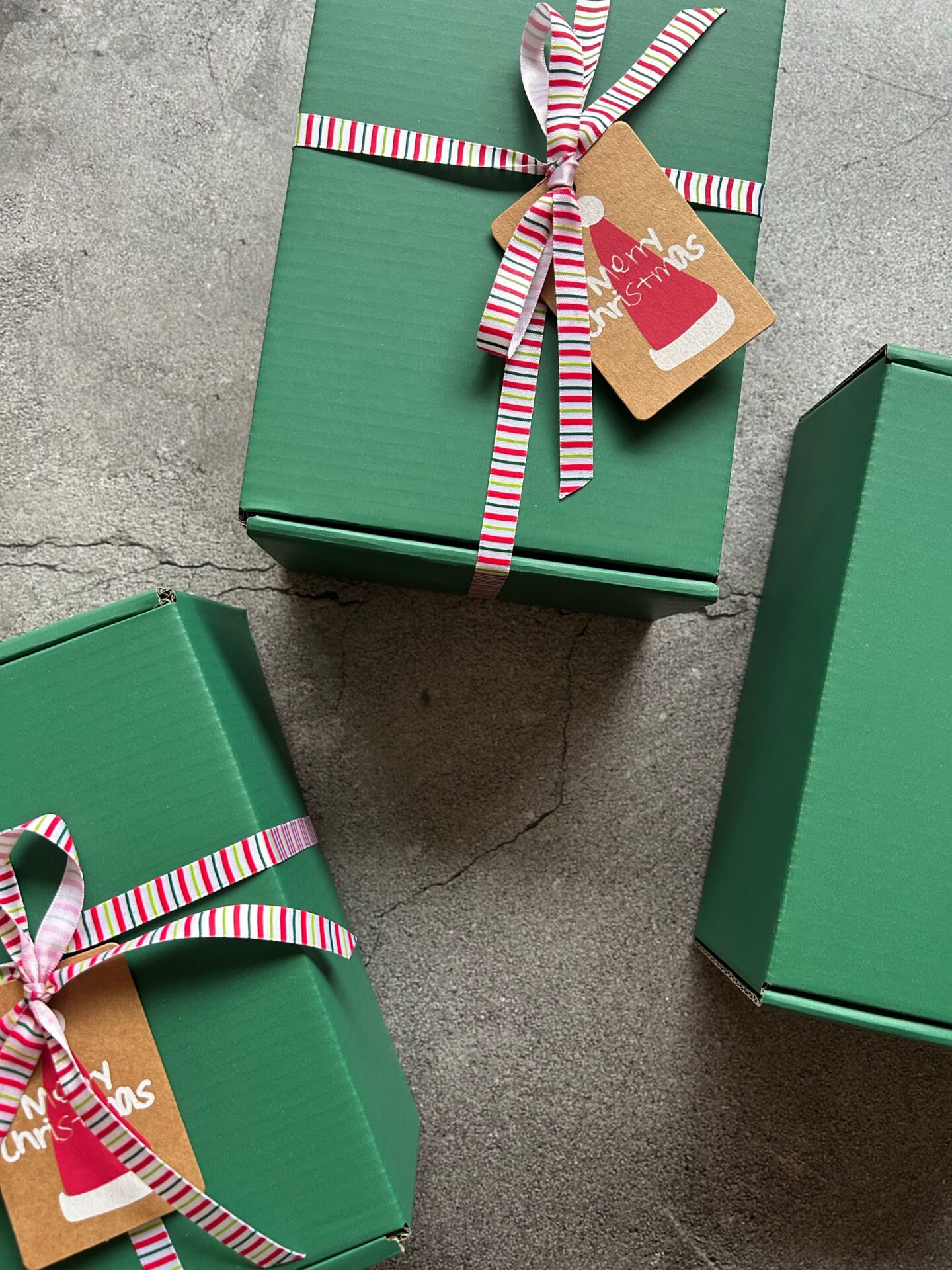
For a workplace purchase, a straightforward choice can prevent a lot of unsuitable gifts. Ask whether people would prefer a food selection with or without alcohol, then provide any additional dietary options the supplier can reliably support. Make the process private enough that colleagues do not have to discuss their reasons in front of a team.
Keep the standard of the alternatives comparable. An employee choosing a selection without wine should not receive a visibly smaller or less considered gift unless the difference has been clearly explained and accepted. The purpose of choice is to improve suitability, not to turn one option into a second-best present.
This approach can also help with client gifts. If there is an established relationship, an account contact may already know the recipient’s preferences. Where there is no reliable information, a food-led gift avoids making alcohol the main expression of appreciation. The client’s own gift policy should still be checked.
Choose drinks for how they will be used
If a hamper includes a drink without alcohol, think about the occasion. A hot drink may suit a quiet evening or a break during a busy day. A soft drink intended for sharing needs a suitable quantity. Someone who rarely entertains may have little use for a large bottle designed for a group.
Avoid describing food gifts as healthy merely because they exclude alcohol. Sugar, allergens and other dietary considerations remain relevant, and a festive treat does not need an unsupported health claim to be appealing. Accurate contents information gives the buyer a better basis for choosing than general promises about wellbeing.
Storage and delivery need the same attention as any other food present. Check whether drinks are fragile, whether anything needs refrigeration and whether the recipient will be available to receive the parcel. A well-chosen selection can still become inconvenient if it arrives while somebody is away.
Keep the message about the recipient
There is no need to make abstinence or moderation the subject of the card. A note can thank a colleague, mark a friendship or wish somebody a good Christmas without commenting on what they drink. Personal circumstances belong to the recipient, even when those circumstances have informed the purchase.
Nor should buyers assume that a drinking preference lasts forever. Somebody who chose wine last year may prefer food this time, and somebody who avoided it previously may make a different choice. A short preference check is more useful than treating an old order as a permanent profile.
Wine remains a suitable gift for people who want it. The improvement is having a Christmas selection that works equally well when they do not. When the food has been chosen with care, the bottle becomes an optional part of the gift rather than the item everything else depends on.
Thank you for reading.