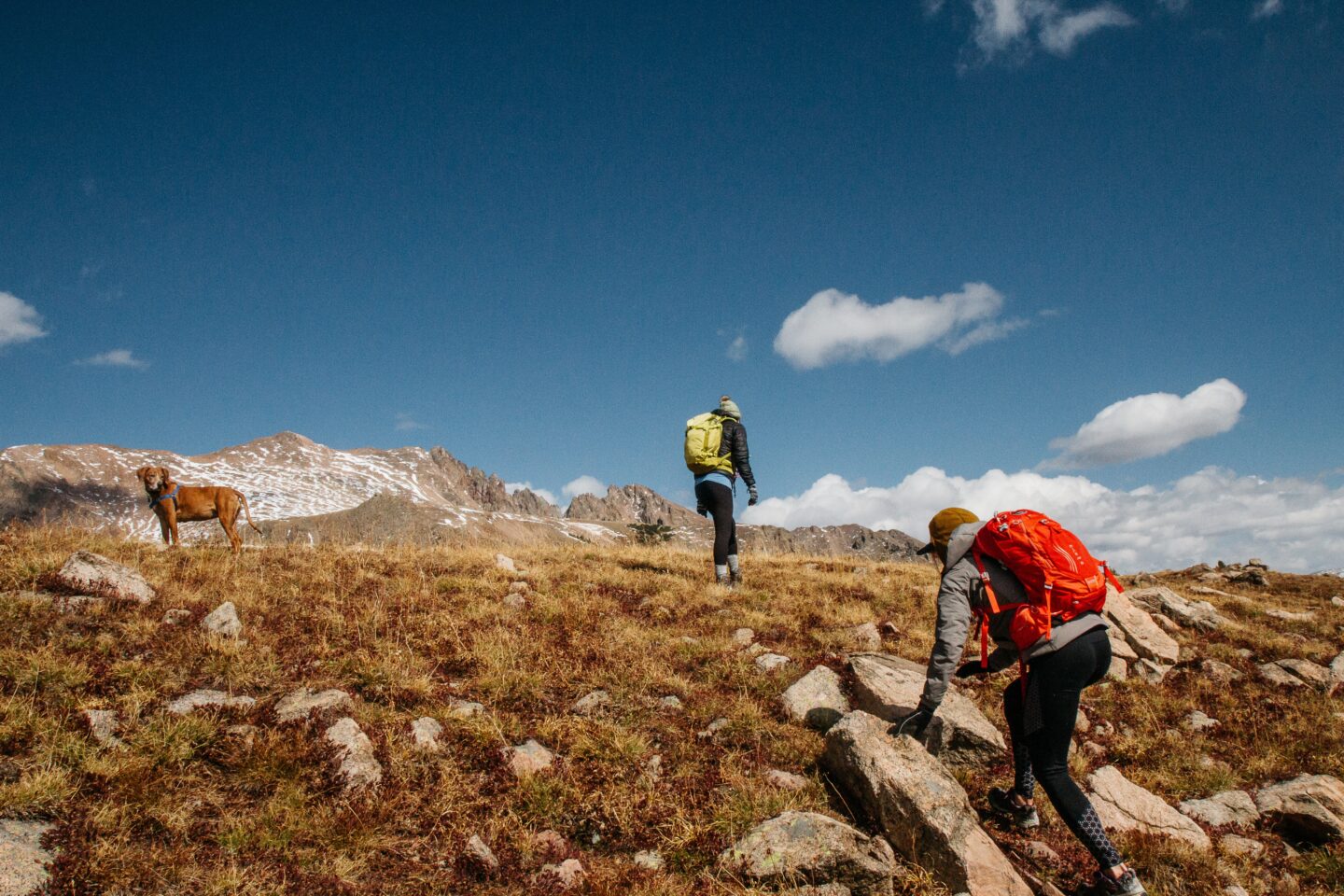
Whether hiking to your favourite waterfall or tackling a difficult summit out in the country, carrying the proper equipment is vital. When things go wrong, and they often do, these essentials can be the thing that saves your life.
From well-stocked first aid kids to emergency shelters and fire sources, you will have everything you need to tackle a fun day on the hiking trails, with enough space left to pack your favourite vaporesso.
Water
It is a no-brainer to say that water is the most essential thing to pack for any hike or trail walk. Still, many underestimate how much water they need to keep their body’s critical systems running correctly.
Water keeps you cool when you’re hot and warms you up in cold conditions. For a 24-hour water supply, four litres are recommended per person. This number should be adjusted according to the time you plan to spend outside. Water will be the heaviest thing you carry, so while you should include extra for emergencies, don’t overload yourself with an unnecessary amount.
Sunscreen
High SPF sunscreen is vital for any trip out into the backcountry, even on days when the weather looks cloudy and overcast. In addition, a waterproof sunscreen, SPF lip balm, sunglasses, a brimmed hat and protective clothing must be considered and packed on any hiking trip.
Bad sunburns, cracked and bleeding lips, and, in the case of winter hikes, snow blindness can create very dangerous and potentially life-threatening situations if not properly respected and mitigated.
First Aid Kit
When going on any hike or camping trip, it is highly advised by medical professionals and survivalist experts to carry a comprehensive travel first aid kit. Many pre-packed kits are available online, which provide a lightweight and reliable stock of medical supplies you will need to treat minor injuries or ailments.
As you gain more experience, you can start to build your kit, including items more specific to your personal circumstances and needs. Take regular stock of your pack and replace missing items immediately to avoid being left without.

Fire Source
When you first gain your driver’s license, you learn how to change a tire in case you are ever in a position where knowing this skill becomes vital for your health and protection. The same theory applies to learning how to build a fire in nasty weather.
This knowledge can quickly become the defining factor in saving your life if you ever find yourself in the worst-case scenario. Bring at least one filled lighter, waterproof matches and a few small firestarter cubes, which are especially helpful in wet conditions.
Navigation/Map
A topographic map and a compass are absolute must-haves when embarking on any hike. They are reliable, lightweight and always guaranteed to work without relying on signals or batteries. But if you are not able to use them properly, they will not be of any help to you.
Before setting off, you must ensure you can correctly read and understand how to use both instruments and have water-proof sacks to keep them protected and dry. If you like using GPS, invest in a portable charger to bring along. But use it in conjunction with a map and not as a replacement.
Nutritional Snacks
When packing food for a hike, the goal is to bring along enough calories to sustain the energy you use while doing the activity. Options like energy bars, dried fruit, unsalted nuts and beef jerky boost your body when your energy levels drop.
Pack bagels or sandwiches with hard meats and cheeses for something more substantial. If you plan to be out for an extended time, bring extra calorie-dense foods to sustain you should you be out longer than planned.
Repair Kit & Multi-Tool
A lightweight multitool knife and a basic repair kit are beneficial additions to your hiking pack. Your knife will be very handy in various situations, and if it is a new addition to your gear, you will wonder how you ever managed before.
Items like duct tape are perfect for repairing gear in the field, like tent fabric tears, holes in a sleeping bag, temporary fixing sunglasses and holding broken tent poles or walking sticks together. It can even be used to prevent blisters in desperate times.
Emergency Shelter
For day hiking trips, experts recommend bringing a small, lightweight emergency shelter that can be easily set up if you must spend the night outside. An emergency blanket and bivys are additional suggestions that could save your life if needed.
Extra Clothing
Weather is a very unpredictable thing. And with fast-changing conditions, it can quickly make a wilderness trip an uncomfortable and hazardous place. Therefore, it is recommended that you pack an extra layer of clothing into your pack, which you can use for insulation, even on days with blazing sun and high temperatures.
Avoid anything made from cotton, which takes longer to dry and will draw heat away from your body. Instead, choose quick-drying, synthetic layers with waterproof capabilities, if possible.
Flashlight/Headlamp
Whether you plan to spend just the afternoon hiking or a full day, you should always pack a reliable headlamp or torch. Occasionally, your hike will take longer than expected, and getting lost in the dark can quickly create a bad situation.
If you ever find yourself stuck in the backcountry with fading light, you will be grateful to have the extra help finding your way home. Be sure to test the batteries of your light source before heading out.
Toilet Paper
No matter the length of your hike, you should come prepared with the necessary items in case you need to use the bathroom. It is best to do the necessary research before heading out regarding the policies around littering and properly disposing of used toilet paper in your country or region. For an extra layer of protection, sanity wipes are available in small, carry-size packs that easily fit into your bag.
Thank you for reading.