There are few things more frustrating than turning the key, hearing a weak click, and feeling your whole day wobble off track. A dependable vehicle gives you freedom, flexibility, and peace of mind. But when the power source under the hood starts fading, even a short trip to work or the grocery store can suddenly feel uncertain. That is why paying attention to your car battery is not just a technical chore. It is a practical habit that protects your time, your safety, and your confidence on the road.
Many drivers wait until the warning signs become impossible to ignore. The headlights dim. The engine cranks slowly. The dashboard lights flicker in a way that feels almost like a plea for help. By then, the issue may already be close to a breakdown. The good news is that a little awareness goes a long way. When you know what to look for, you can catch battery trouble early and make better decisions before you get stranded in a parking lot or on a dark roadside.
Why Your Car Battery Matters More Than You Think
Your vehicle’s battery does much more than simply start the engine. It supplies the burst of energy needed for ignition, and it also helps power electronics when the engine is off. Modern vehicles rely on that stored energy for everything from interior lights and infotainment systems to sensors and onboard computers. In other words, this small component quietly supports a huge part of your driving experience.
Think of it this way: your car can have a healthy engine, full tires, and a fresh tank of gas, yet still refuse to move if the battery is weak. That reality catches many people off guard. We often focus on oil changes and tire pressure, but electrical health deserves a place on the checklist too.
Signs Your Car Battery May Be Failing
Recognizing the early signs of car battery trouble can save you stress and money. One of the most common clues is slow engine cranking. If your vehicle sounds sluggish or hesitant when starting, the battery may be losing strength. Another warning sign is dim lighting, especially when starting the car or using electrical accessories.
You may also notice corrosion on the battery terminals. That chalky white or bluish buildup can interfere with the connection and reduce performance. In some cases, a swollen battery case may appear, often caused by extreme heat or internal damage. A battery warning light on the dashboard should never be ignored either. It does not always mean the battery itself is the only issue, but it does signal that the charging system needs attention.
A Simple Car Battery Check You Can Do at Home
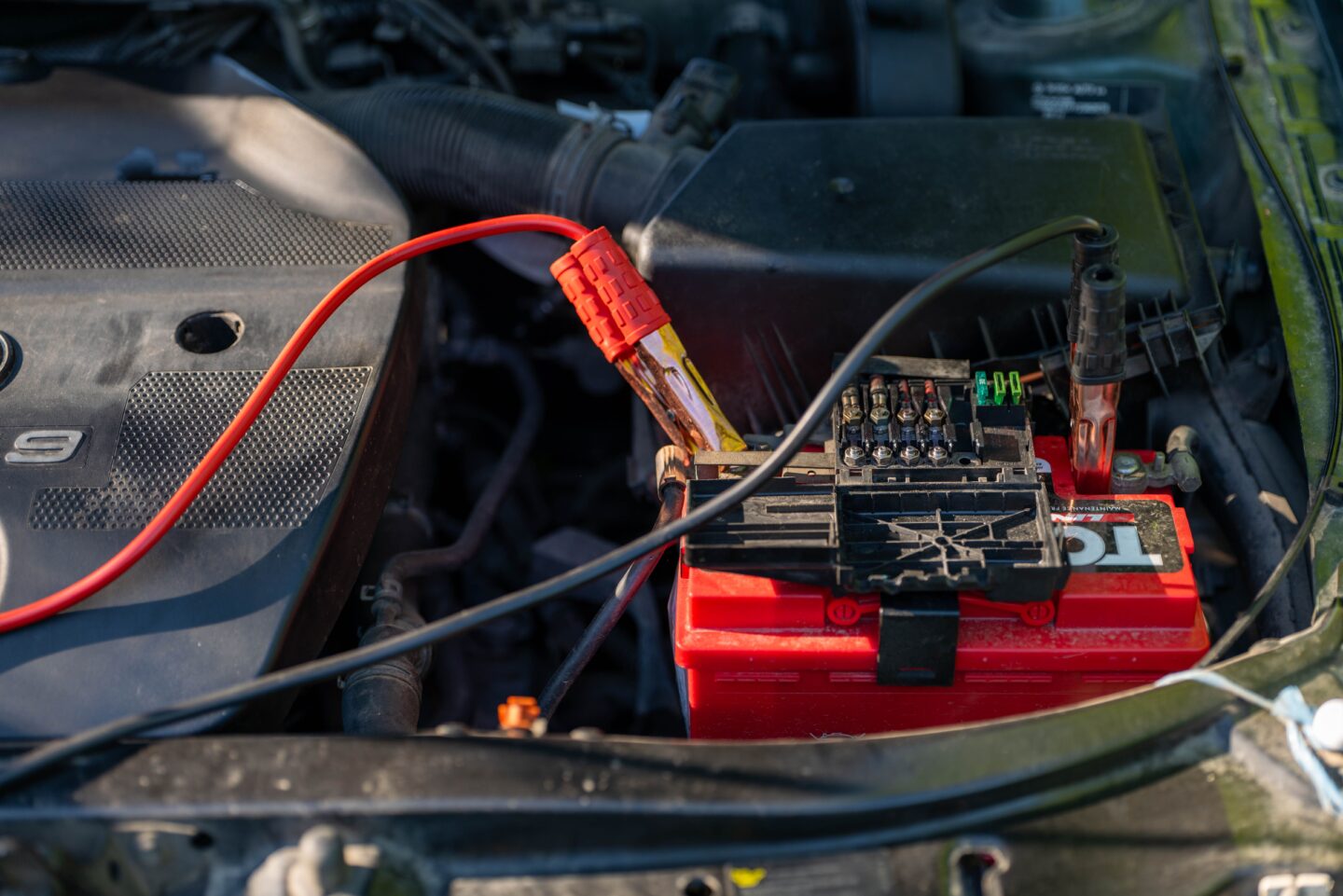
You do not need to be a mechanic to perform a basic battery check. Start by turning off the vehicle and opening the hood. Inspect the battery for visible dirt, corrosion, cracks, or bulging. Make sure the cables are firmly attached and not loose. If corrosion is present, cleaning it carefully can improve the connection.
Next, pay attention to how your vehicle starts over several days. If it struggles in the morning but seems better later, that pattern may point to a weakening unit. A voltmeter can also help. A fully charged battery typically reads around 12.6 volts with the engine off. If the reading is much lower, the battery may need charging or testing by a professional.
There is something oddly human about these small checks. A neighbor once laughed while stopping at a station to refuel, only to discover the problem was never the fuel level at all. The tank was fine. The battery had quietly given up. That tiny moment carried a big lesson: sometimes the problem we assume is obvious is not the real issue.
When Weather and Driving Habits Take a Toll
Temperature plays a major role in battery life. Cold weather makes it harder for the battery to deliver power, while extreme heat can speed up internal wear. Short trips can also hurt performance because the alternator may not have enough time to fully recharge the battery after each start.
Driving habits matter more than many people realize. Leaving lights on, charging multiple devices constantly, or letting the car sit for long periods can all reduce battery strength over time. If your vehicle is not driven often, a battery maintainer may help preserve its condition.
There is a surprisingly relatable side to this. Someone once packed extra clothing for a winter drive, layering up for the cold with almost comical determination. Smart move, yes. But the real threat that morning was not the temperature outside. It was the battery under the hood, already weakened by the freeze. You can prepare yourself perfectly and still need to prepare your vehicle too.

When Car Battery Replacement Becomes Necessary
Even with good care, no battery lasts forever. Most last three to five years, though driving conditions, climate, and vehicle demands can shorten that window. If your battery repeatedly needs jump-starts, fails voltage tests, or shows physical damage, it may be time for car battery replacement.
Choosing the right replacement matters. Your vehicle requires a battery with the proper size, terminal layout, and cold cranking amps. Installing the wrong type can create performance issues or even damage electrical systems. A trusted technician can confirm the correct fit and test the charging system at the same time.
There is also value in timing. Replacing a weak battery before total failure is often less stressful than dealing with an emergency. That is especially true if you rely on your vehicle for commuting, family responsibilities, or travel.
Smart Timing for Car Battery Replacement
Planning ahead can make all the difference. If your battery is reaching the end of its typical lifespan, schedule a test before a long trip or before seasonal temperature swings. Battery tests are quick, and they can reveal whether your current unit is healthy, weak, or close to failure.
At first glance, the word anisomerous may seem completely unrelated to car care. Yet someone once used it in a conversation about things that feel irregular or out of balance, and that description stuck. A failing battery can be like that. Nothing is fully broken at first. Things just feel uneven. Starts become inconsistent. Lights seem slightly dimmer. The rhythm is off. Those subtle changes are worth noticing.
A strong battery gives your vehicle a kind of quiet reliability that is easy to take for granted. When it is healthy, every drive begins with ease. When it is not, stress creeps in quickly. By checking for signs of trouble, understanding the impact of weather and habits, and acting before failure strikes, you can avoid unpleasant surprises and protect your daily routine.
Your vehicle asks for very little compared with how much it gives back. A few minutes of attention under the hood can spare you a stalled morning, a missed appointment, or a long wait for roadside help. Treat battery care as a simple, steady part of responsible driving, and you will be far more prepared for whatever the road brings.
Thank you for reading.







