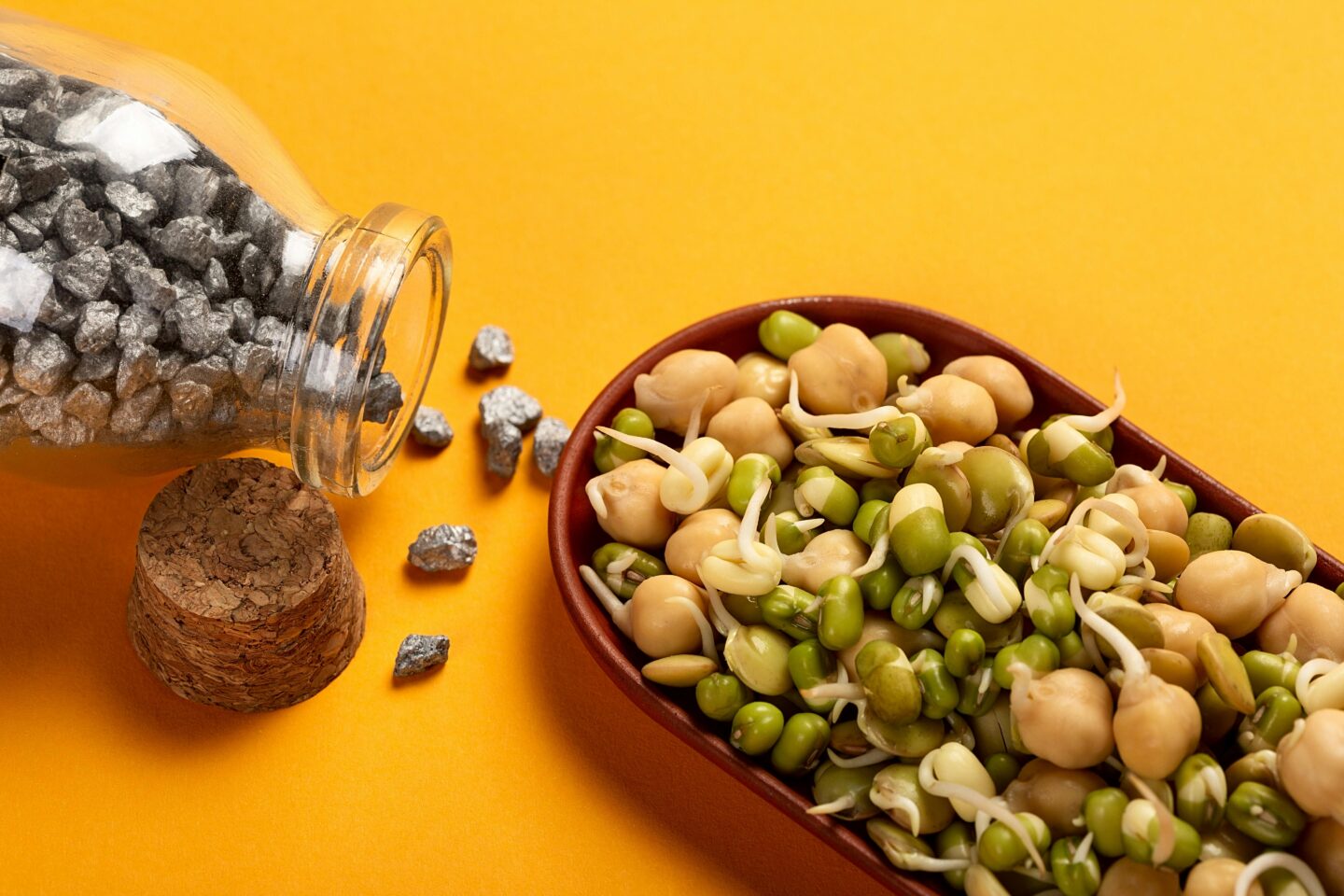
Surely, you’ve come across the term “superfoods” by now. It has gained significant traction in the past years, especially among the more health-conscious of us. It’s not a term that is officially recognised in the scientific community, but it refers to foods that are exceptionally nutrient-dense and purported to offer other fantastic health benefits. As the name already suggests! If you’re interested in a healthier lifestyle for you and for your family, here’s a bit of information and some tips for you, on how to implement them the best.
What qualifies as a superfood?
Superfoods are, as mentioned, defined by their high nutrient density and compounds considered to be beneficial for our health. They sport a substantial amount of minerals, vitamins, and antioxidants (great to combat oxidative stress, which may lead to chronic diseases!) when compared to their calorie content; you get more for less, basically. However, it’s important to distinguish between scientific evidence and pure marketing hype. Some superfoods are genuinely beneficial – others can be exaggerated and, to be fair, quite clever marketing strategies. Here are some common superfoods and their benefits:
Fruits and berries:
Not a lot of things on this list will surprise you, I bet. Fruits like blueberries (super high in vitamins C and K, too, and are linked to improved brain function and heart health!), acai berries, and goji berries have excellent antioxidant content, boosting your immune system and fighting inflammation.
Vegetables and greens:
Leafy greens such as kale, spinach, and broccoli are nutritional powerhouses, rich in vitamins A, C, and K. Great for promoting heart health, bone health, and a myriad of other benefits! But they also come in form of tea; another form of superfood is Matcha, a finely ground powder of green tea leaves. It has loads of L-theanine, promoting relaxation without drowsiness. An excellent coffee alternative!
Nuts and seeds:
We love our seeds! Chia, almonds, flax – they are all just wonderful and full of healthy fats, fibre and protein. Essential for brain function, healthy skin and reducing the risk of heart disease again.
Whole grains:
And then there are whole grains such as quinoa, oats, and brown rice that are equally high in fibre, supporting digestive health and helping maintain steady blood sugar levels. Oh, and they come packed with essential vitamins and minerals, such as iron and magnesium.
Fish and lean proteins:
Salmon, tofu, and lentils are exceptionally rich in omega-3 fatty acids and high-quality protein. They are vital for muscle growth and repair, and overall bodily function. Omega-3 fatty acids, in particular, have been shown to support heart and brain health!

How can these foods be added to family meals?
If you’ve got a family to feed, it’s usually the simpler the better. And incorporating superfoods can be exactly that. Maybe in the form of some smoothies made with berries and spinach, some salads with quinoa and kale, and snacks like chia seed puddings are super nutritious and equally appealing to children (and us!). For families with picky eaters, blending the superfoods into familiar dishes can help. Maybe adding some spinach to lasagna or mixing chia seeds into yoghurt can introduce these foods without altering their taste significantly.
Especially good for kids are foods that support growth and development, like sweet potatoes, yoghurt, and berries. For us parents, energy and stress relief is much needed. Nuts, seeds, and dark chocolate can help! And for the elderly, those that support heart health and cognitive function are great – such as salmon, avocados, and leafy greens.
While some superfoods can be quite expensive, there are still budget-friendly options, too. Frozen berries, for example, oats, and canned salmon provide similar benefits and don’t have to be bought fresh. Choosing seasonal and locally sourced, if you can, helps local farmers and can be more affordable, too.
So, what’s the verdict?
While superfoods are definitely beneficial, it’s important to remember that they are not a cure-all. A balanced diet always includes a broad variety of foods for our overall health. That being said, implementing them can be a valuable addition to your family’s diet. But they should be there to support, not play a solitary role! And more isn’t always better; add them in moderation. Enjoy!
Thank you for reading.