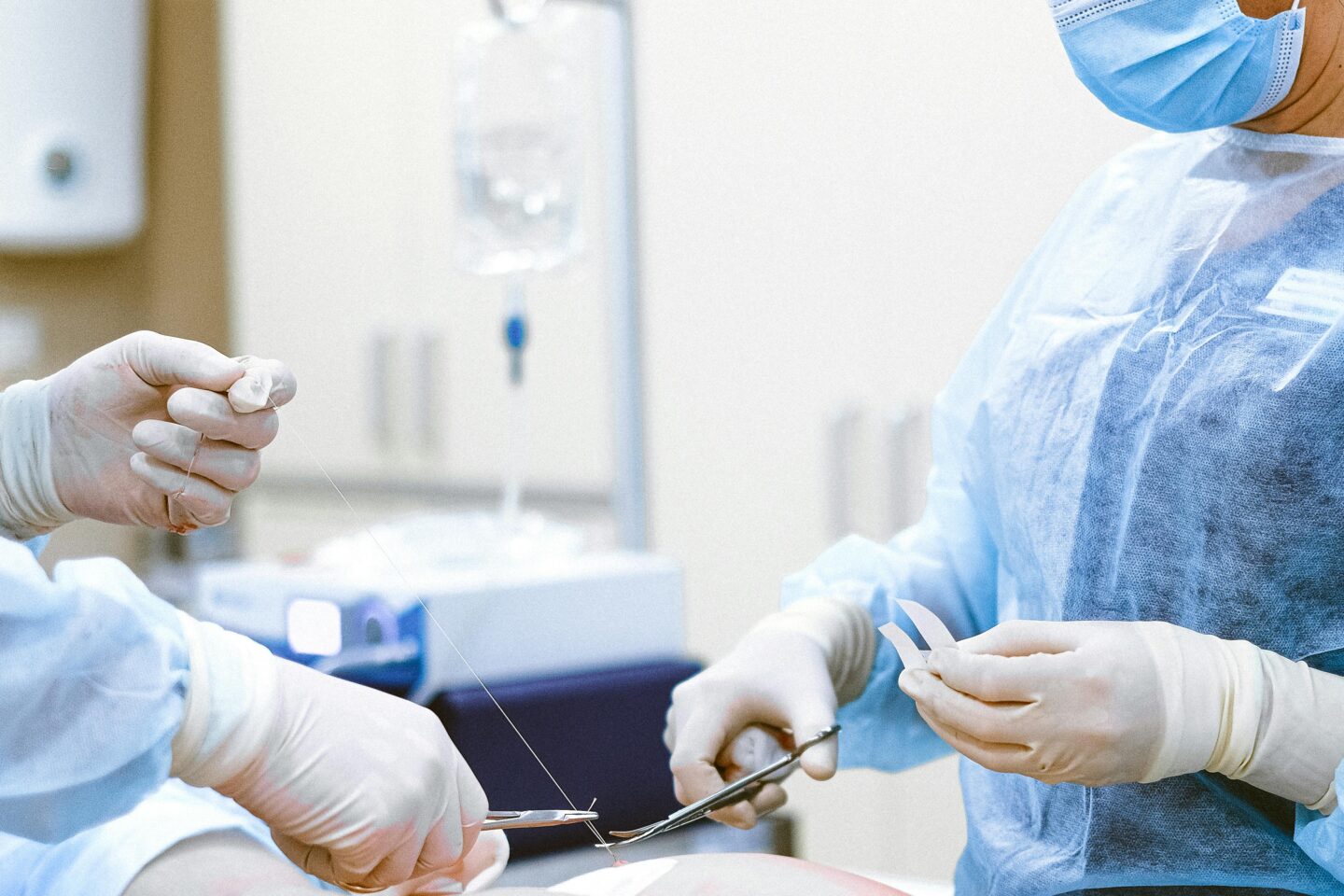
Post-surgery care is crucial in determining the overall success and health outcomes after a medical procedure. While surgery might be seen as the main event, the period following it can often be even more important in ensuring a smooth recovery and preventing complications.
Proper post-surgery care not only helps in faster healing but also reduces the risk of infection and supports long-term health goals.
This article explores the significance of post-operative care, the necessary steps patients need to take, and how it contributes to overall well-being.
The Role of Immediate Post-Surgery Care
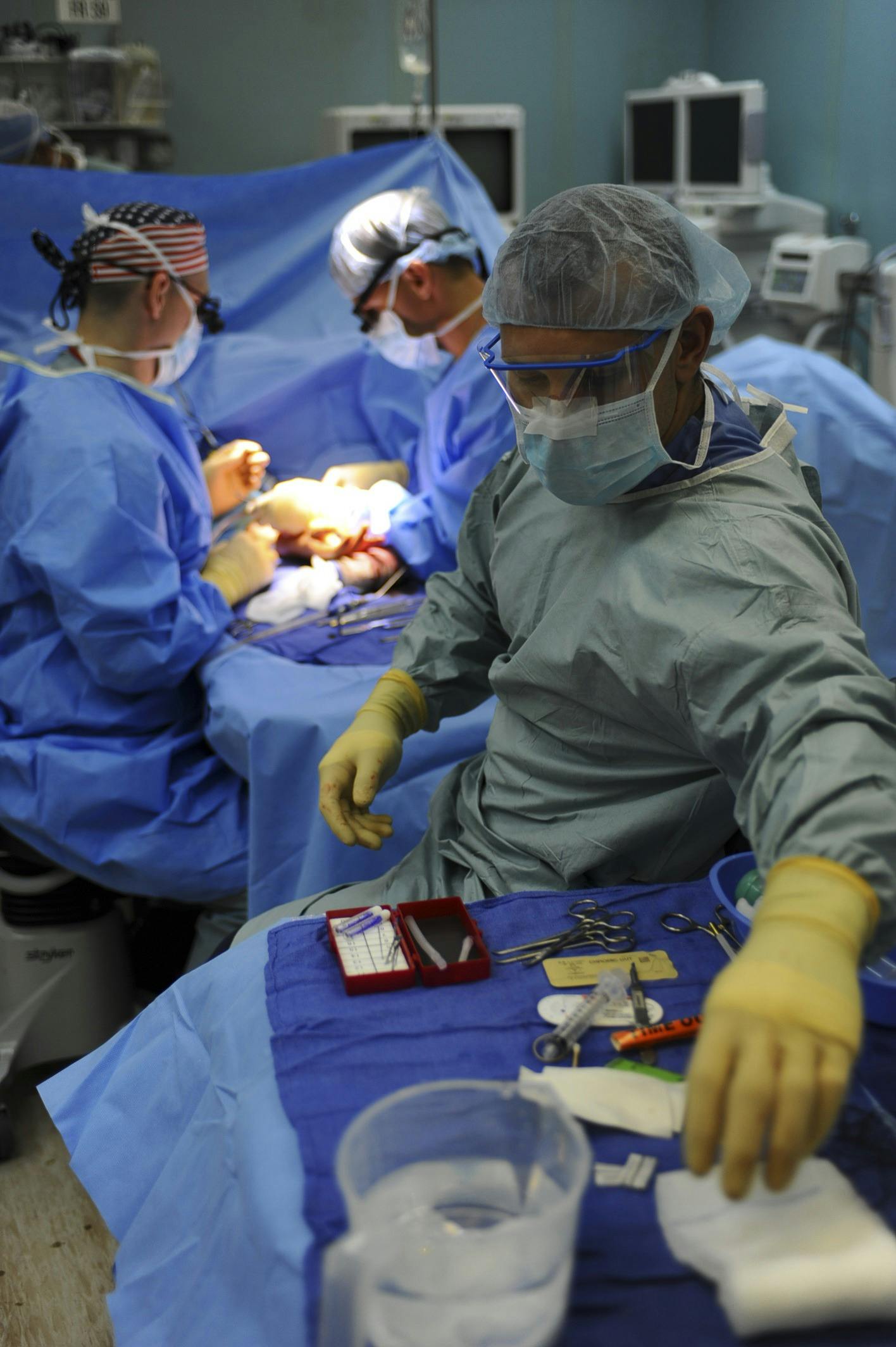
After surgery, the body is in a fragile state. Regardless of the type of surgery—whether minor or major—the first few hours and days after the procedure are vital. This period, often referred to as the immediate post-operative phase, involves close monitoring to prevent complications such as bleeding, infection, or adverse reactions to anesthesia. One of the primary goals during this time is to stabilize the patient’s condition.
Hospitals and surgical centers often have strict protocols in place to monitor vital signs, manage pain, and address any early warning signs of complications. Patients may experience discomfort, fatigue, or dizziness during this phase, and medical staff must remain attentive to any symptoms that arise. Hydration, proper wound care, and rest are essential components that should be maintained to promote healing.
The Transition to Home Care: Setting the Foundation for Recovery
Once patients are discharged from the hospital, the responsibility for post-surgery care often shifts to them and their caregivers. It’s during this period that patients must adhere to prescribed medications, lifestyle modifications, and follow-up appointments with healthcare professionals. Failure to do so could result in complications or a delayed recovery.
For instance, patients recovering from revisionary breast surgery need to follow strict guidelines to avoid any setbacks in the healing process. Proper care of the surgical site is crucial, as is wearing supportive garments as directed by the healthcare provider. Additionally, patients are often advised to limit physical activity during the first few weeks after surgery to allow the body to heal without unnecessary strain.
Adhering to a nutritious diet is another critical element of home recovery. Nutritional choices directly affect the body’s ability to repair tissues and regain strength. Foods rich in vitamins, minerals, and protein support wound healing and provide the energy needed for recovery.
Physical Rehabilitation and Mobility Support
Physical rehabilitation plays a pivotal role in post-surgery care, especially for patients who have undergone procedures that impact mobility. Depending on the type of surgery, physical therapy may be required to help regain strength, flexibility, and range of motion. Physical therapists design specific exercises tailored to the patient’s needs, focusing on areas weakened by the surgery.
Mobility aids, such as crutches, walkers, or braces, are often prescribed to assist in early recovery stages. Patients must follow the rehabilitation plan meticulously, even though it might feel challenging at first. Early and appropriate movement not only prevents stiffness but also promotes circulation, which is crucial for preventing blood clots.
For patients who have undergone orthopedic surgeries or joint replacements, physical therapy often becomes an integral part of their post-surgery care. Exercises are gradually introduced to help the patient regain muscle strength and flexibility. While some discomfort is expected, avoiding physical therapy altogether can lead to muscle weakness or permanent loss of movement in the affected area.
Mental and Emotional Well-being During Recovery
Post-surgery care isn’t limited to physical recovery; emotional and mental well-being play a vital role as well. Surgery, particularly significant procedures, can take an emotional toll on patients. It’s common for individuals to feel anxious, stressed, or even depressed during the recovery process.
The healing journey may feel isolating at times, especially when physical limitations prevent patients from engaging in their usual activities. Family and friends can provide support by offering reassurance and helping with daily tasks. However, professional psychological support might also be necessary, especially for patients struggling with post-operative anxiety or depression.
In cases of cosmetic or elective surgeries, such as breast augmentations or facial reconstructive procedures, the emotional aspects of recovery are heightened due to the changes in appearance. Patients often experience a range of emotions as they adjust to their new look. Counseling or support groups can help patients process these emotions, leading to a healthier recovery both mentally and physically.
Long-Term Post-Surgery Care: Preventing Recurrences and Complications
Long-term care after surgery is just as important as the initial stages of recovery. This phase typically focuses on preventing the recurrence of any issues related to the surgery and ensuring that the patient maintains overall health. Regular check-ups with healthcare providers are essential in identifying any delayed complications, such as infections or scar tissue formation.
Lifestyle changes may also be recommended to support long-term recovery. For example, adopting a healthier diet, engaging in regular exercise (as approved by the physician), and avoiding habits like smoking can significantly improve the body’s ability to heal and prevent future health issues.
Scar management is another critical aspect of long-term care, especially for surgeries that leave visible marks. Healthcare providers often recommend specific creams, massages, or treatments to reduce scarring and promote skin health.
Lastly, patients need to stay proactive and informed about their health. Keeping track of any unusual symptoms and reporting them promptly to a healthcare provider can prevent minor issues from developing into more severe complications. Adopting preventive measures, staying physically active, and following up with specialists can all contribute to sustained long-term health.
All in all, post-surgery care doesn’t end when the incisions heal; it’s an ongoing process that involves continuous attention to one’s health. From following prescribed care regimens immediately after surgery to making long-term lifestyle changes, every step of the post-surgery care process plays a vital role in achieving the best possible health outcomes.
Proper post-surgery care enhances the success of the surgical procedure and ensures that patients regain their quality of life. By focusing on all aspects of recovery—physical, emotional, and long-term health—patients can enjoy a smoother recovery and a reduced risk of complications.
Thank you for reading.







