Itching leads to extreme discomfort and frustration, whether it is from a mosquito bite or any other health condition. However, several reasons may lead you to itchy skin. Dry skin, fabric allergy, and chicken pox are one of the main reasons for itchy skin.
Besides discomfort, itching can also affect your skin texture and quality. Your skin may appear normal, red, rough, or bumpy, depending on what causes you to scratch. However, scratching frequently might result in elevated, thick regions of skin that could bleed or infect.
But here is a piece of good news for you! The itchy skin due to common reasons can be cured by minor self-care and a healthy lifestyle. The self-care includes what you apply to your skin and also what you eat. Yes! Eating habits can also affect your skin health and the itching issues.
However, when it comes to a skincare regime, the following techniques can help you to get healthy and itching-free skin.
- Moisturing your skin according to your skin type.
- Using soft cleansers.
- Taking moderate baths.
These techniques can help you to avoid itchy skin. However, we recommend you consult a good dermatologist if you have any persistent skin or health issues.
Apart from skincare, what you eat also affects your skin health. Are you curious to know about those food items? Keep reading this article till the end to find out more.
Triggers That Lead to Itchy Skin
The question might hit your mind “Why do I feel itchy every day?”. Don’t worry! In this section, we are going to discuss the most common triggers for itchy skin.
Let’s get started!
1. Dry Skin
The first and the most common trigger for itching is dry skin. If you have dry skin and do not moisturize it regularly, it can cause severe itching. So, in order to avoid itching, you should moisturize your skin twice a day with a good moisturizer.
2. Yeast Infection
Different infections result in different types of itching. Here we are going to talk about vaginal itching. Yeast infections most commonly cause this type of itching. You might have question in your mind “how to stop itching down there?”. Here is the answer for you. You can get relief from vaginal itching by avoiding scented soaps, lotions, or bubble baths.
However, natural cure for private part itching includes a baking soda bath, apple cider vinegar bath, use of vaginal itch cream, and many more. But, no respite even with the use of over-the-counter itch relief products would warrant a doctor visit for medication and treatment.
3. Bug Bites
Another reason that may cause itching is a bug bite. When a bug bites on your skin, it results in itching. However, this itching mostly goes away on its own. But if bugs live on your skin or feed on you, the itch can be severe and frustrating.
However, when your body starts itching due to a bug bite, the use of calamine lotion, baking soda paste, or 0.5% or 1% hydrocortisone cream can help you out. Bed bugs, lice, and mites are examples of bugs that can cause long-lasting itching.

4. Allergic Reaction
Another trigger for itchy skin could be an allergic reaction. An allergic reaction can occur when a substance, such as poison ivy or cosmetics, is used. Wool, chemicals, soaps, and other materials can irritate the skin, resulting in rashes and itching.
However, the most common substance that can cause an allergic reaction is Nickle. Nickel is a substance present in many things we touch daily. It includes cell phones, jewellery, eyeglass frames, zippers, and belt buckles.
Many cosmetic products, like nail paints, perfumes, shampoo, etc., also contain nickel and can cause an allergic reaction to your skin.
Food You Can Eat To Avoid Itching
Food is not only a source of energy, but it also helps your body in many ways. From protecting your immune system to curing your skin diseases, what you eat plays an important role. However, your health depends on what you choose to eat. There are several food items that are not beneficial for your health and can cause several problems. So while making food choices, you need to be very concerned.
Anyhow, let’s move to the next part to know what you should eat to avoid itchy skin. Let’s dive into the section.
1. Food Items That Contain Vitamin E
Eating food items that are rich in Vitamin E can help you avoid itchy skin. According to Oregon State University’s Linus Pauling Institute, Vitamin E is rich in antioxidant properties. As a result, it can help guard your skin against damage. When applied topically, it can reduce skin irritation and swelling caused by UV exposure. Vitamin E may help avoid the dryness or irritation that accompanies sunburn.
Following are the food items that are rich in vitamin E:
- Different kinds of nuts and seeds.
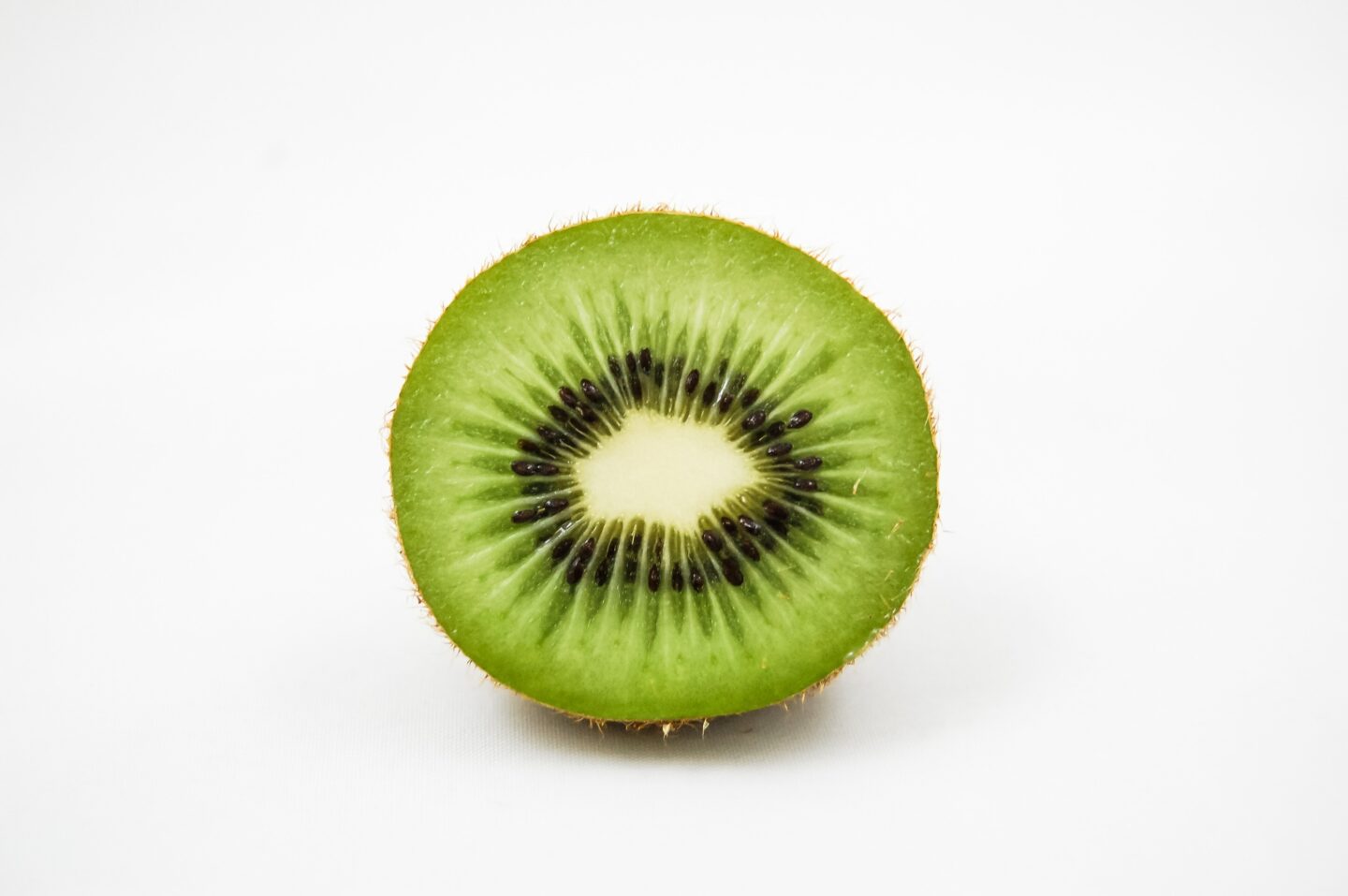
- Different fruits like Kiwi and Avacado.
- Spinach, red bell pepper and asparagus also contain vitamin E.
- Seafood like shrimp are also considered to be rich in vitamin E.
2. Food Rich in Vitamin C
Another important food item to avoid itching is food items containing vitamin C. Vitamin C benefits include antioxidant capabilities that aid in preventing skin damage. Vitamin C acts in a similar way as vitamin E does.
According to studies, these antioxidant actions may also lessen inflammation from skin disorders like eczema and psoriasis. Also, vitamin C produces collagen in your skin. It is a protein that tightens and moisturizes your skin.
However, collagen synthesis declines with age. But consuming enough vitamin C can help your skin stay healthy and promote collagen production.
Here are the food items that are rich in vitamin C
- Guava,
- Kiwi,
- Oranges and other types of citrus fruits,
- Bell pepper,
- Broccoli, etc.
3. Food Items Having Probiotics
Probiotics are another option for treating itching. These are foods that repair your skin and are a good source of healthy bacteria.
Probiotics can improve the microbiota of your skin. As a result, it could help you prevent or treat:
- Rashes,
- Itchy skin, and
- Other symptoms of eczema, acne, or UV damage.
Probiotics are also available in supplement form. Consult your physician to determine the ideal strain and dose for you. However, the following food items contain natural probiotics in them:
- Yoghurt
- Kefir
- Several kinds of cheese, including gouda and cheddar
- Buttermilk
- Sauerkraut
- Kimchi
- Kombucha
4. Quercetin-Rich Food Items
Consuming foods rich in flavonoids called quercetin may help you lessen itching. Flavonoid is a naturally occurring pigment. It also works as an antioxidant, which can help shield your cells from harm.
Early research suggests quercetin, in particular, may be helpful for a rash. Quercetin inhibits the release of histamines. Histamines are released during allergic reactions and symptoms, including runny nose, watery eyes, face swelling, and hives.
In other words, quercetin may be able to prevent itchy skin brought on by an allergic reaction.
Some excellent sources of quercetin are:
- Citric fruits
- Grapes
- Brown cherries
- Blueberries and blackberries
- Apples
- Onions
- Parsley
- Sage
- Olive oil
- Tea
- Red wine
Tips to Soothe Itchy Skin
- To subside the itchy skin, apply cold water or ice for about 5 to 10 minutes.
- You can also enjoy an oatmeal bath to soothe your itchy skin. It is recommended for chickenpox, sunburns and poison ivy.
- Always moisturize your skin twice a day with a fragrance-free moisturizer.
- Cooling agents such as methanol can also help in soothing itchy skin.
Take Away
The underlying cause ultimately determines the recourse to itching relief. For instance, you might use anti-itch cream to treat an insect bite or eczema flare-up. Alternatively, medicines could help you manage your itchy skin and other signs of mood problems or underlying health conditions. The fact that this new knowledge that what you eat can help you address your skin problems can be used to our advantage. It is a fact that itching and other skin irritations can be addressed with changes to your diet and adopting some lifestyle healthy habits.
Thank you for reading.







